







Definition and Meaning
The "Fast. Easy. Absolutely Free. - Louisiana Department of Revenue" initiative is a streamlined service offered by the Louisiana Department of Revenue (LDR) to facilitate easy and cost-free filing of state tax returns online. This service embodies a commitment to provide efficient and user-friendly tax filing options to residents of Louisiana. Utilizing this platform, taxpayers can securely and accurately submit their individual income tax returns via the internet, minimizing the need for paper forms and reducing processing times. This initiative significantly aids in making the tax filing process accessible to a broader audience without the burden of additional expenses.
How to Use the Fast, Easy, Absolutely Free Service
To utilize this service, taxpayers need to visit the official website of the Louisiana Department of Revenue. Once there, they can access the e-file service to start their tax return submission. The key steps involve:
- Account Creation or Login: New users must create an account, while returning users can log in using their existing credentials.
- Document Preparation: Gather all necessary documents, including W-2 forms, previous tax returns, and information on deductions and credits.
- Filing the Return: Follow the on-screen prompts to enter your financial details, apply for deductions, and review your tax calculations.
- Submission: Once reviewed, the return can be submitted electronically. The system automatically checks for errors and provides confirmation of receipt.
This process facilitates an intuitive, step-by-step guide to ensure accuracy and compliance with state tax laws.
Steps to Complete the Fast. Easy. Absolutely Free. Initiative
Completing the tax filing under this initiative involves a clear set of steps:
- Preparation: Gather all relevant tax documents, including income reports, deduction proofs, and identification.
- Create a Secure Account: Begin by registering on the LDR e-services portal if not already done.
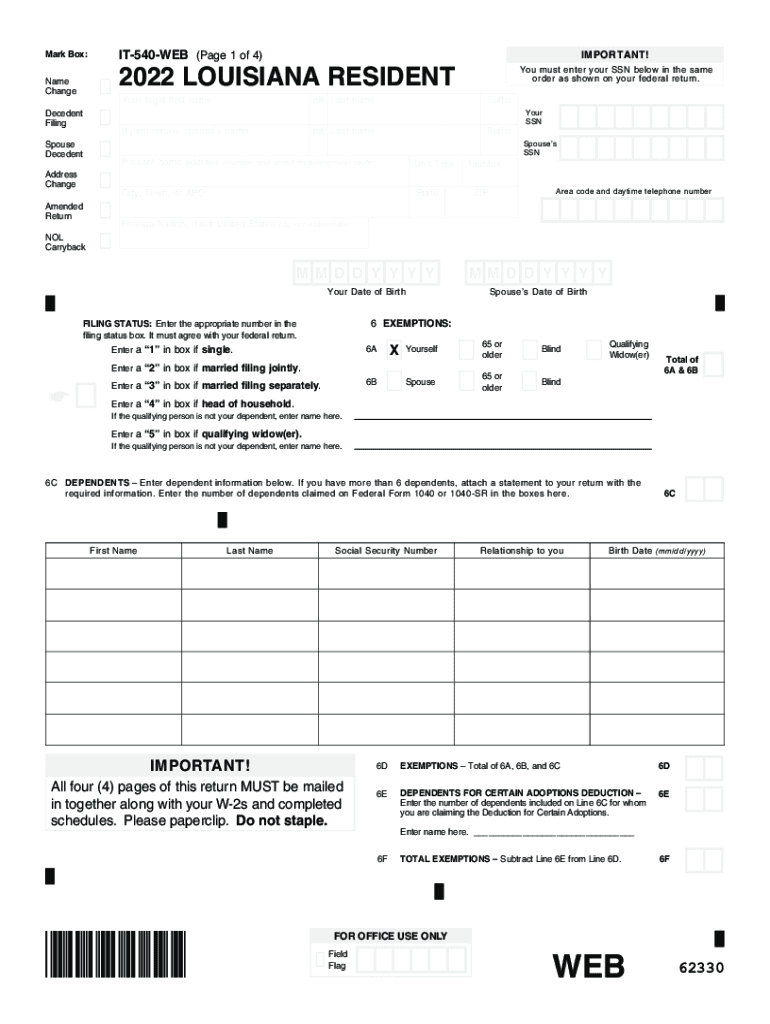
- Select the Appropriate Tax Form: Choose the form that fits your filing requirements, such as IT-540 for individual income tax.
- Enter Personal and Financial Information: Carefully input personal data and financial figures into the designated fields.
- Review and Apply Deductions: Identify and apply applicable exemptions or deductions, such as child care or education credits.
- Final Review: Carefully reassess the complete form to ensure accuracy and catch any errors.
- Submit Electronically: Use the e-file option to send your completed tax return to the LDR.
Throughout the process, the interface provides helpful prompts and suggestions to ease the user through each stage.
Important Terms Related to the Initiative
Familiarizing oneself with essential terms can be crucial for navigating the filing process:
- E-file: The electronic method of filing tax returns, which reduces paper use and accelerates processing.
- IT-540 Form: A specific form used for filing individual income taxes in Louisiana.
- Direct Deposit: A method for receiving refunds directly into a bank account, speeding up the refund process.
- Deductions and Credits: Terms that refer to eligible expenses and allowances that can reduce taxable income.
- Error Checking: An inbuilt feature of the e-file system that identifies errors before submission.
Each term plays a role in helping taxpayers understand and optimize the filing process.
Legal Use and Compliance
The legal use of the Fast, Easy, Absolutely Free service by the LDR mandates compliance with specific state procedures and rules. Key aspects include:
- Accuracy: Taxpayers must ensure all information provided is truthful and correct to avoid legal ramifications.
- Timeliness: Returns must be filed by preset deadlines to avoid penalties or interest on overdue taxes.
- Document Retention: It is advisable to retain copies of filed returns and supporting documents for a minimum of five years for verification or audit purposes.
- Verification: The submission must be verified by the taxpayer, confirming accuracy and legitimacy.
Demonstrating compliance with these guidelines is crucial for the seamless use of the service.
Filing Deadlines and Important Dates
Taxpayers should be aware of critical deadlines which affect their filing and refund processes. Key dates include:
- Filing Deadline: Typically on or around April 15 each year, aligning with federal tax deadlines.
- Extension Requests: If needed, extensions are available but must be filed by the standard deadline.
- Refund Issuance: Refunds are typically issued within four to six weeks when filed electronically and direct deposit is selected.
- Amendment Dates: Tax returns can be amended up to three years after the original filing date if necessary.
Marking these dates ensures compliance and aids in timely filing and potential refund receipt.
Form Submission Methods: Online vs. Mail
The LDR supports various submission methods, though electronic filing is highly recommended due to its efficiency. Comparison of options:
- Online Submission: Fast, reduces processing times, immediate error checking, and faster refunds.
- Mail Submission: Traditional paper form filing, suitable for those without internet access, but with longer processing times and potential for manual errors.
The choice between these methods depends on personal preference and access to electronic devices or internet services.
Penalties for Non-Compliance
Failure to adhere to filing deadlines or guidelines can result in penalties. Notable penalties may include:
- Late Filing Penalty: Charges incurred for returns filed after the deadline without an approved extension.
- Late Payment Penalty: Additional fees for taxes owed but not paid by the due date.
- Interest on Unpaid Taxes: Accumulated interest on taxes not settled by the due date.
Understanding these penalties is imperative for maintaining compliance and avoiding unnecessary charges.




