



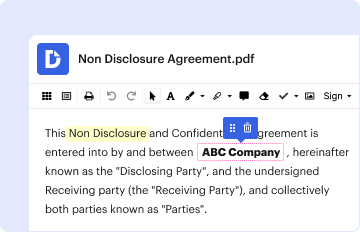
01. Edit your m1pr form online
Type text, add images, blackout confidential details, add comments, highlights and more.

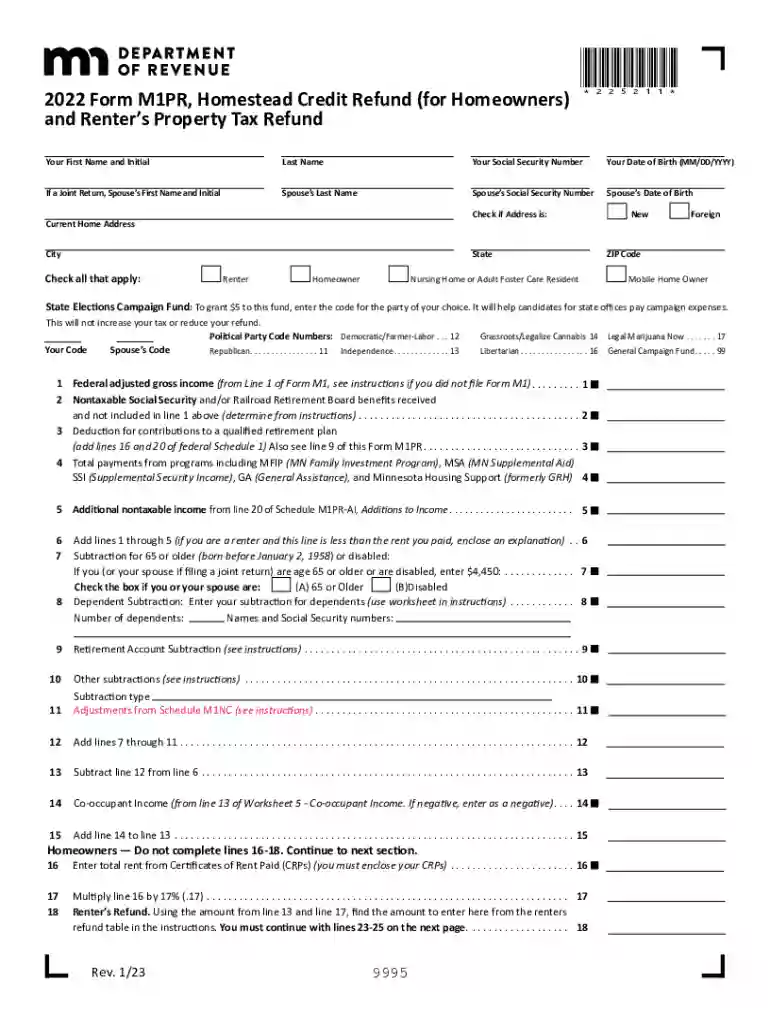
Type text, add images, blackout confidential details, add comments, highlights and more.
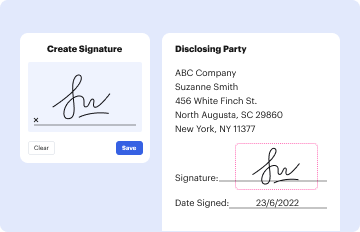
Draw your signature, type it, upload its image, or use your mobile device as a signature pad.

Send mn property tax refund form 2022 via email, link, or fax. You can also download it, export it or print it out.
The 2022 Form M1PR, also known as the Minnesota Property Tax Refund, allows eligible Minnesotans to claim the Homestead Credit Refund for homeowners and the Renter’s Property Tax Refund. This form is a significant financial relief tool designed to offset property taxes for homeowners and renters in Minnesota. It includes detailed sections for entering personal information, income data, and property tax specifics, guiding applicants through the process of determining their eligibility and potential refund amounts.
Personal Information: Start by filling out your personal details, including your full name, Social Security number, and address. Ensure all information matches your official documents to avoid discrepancies.
Income Calculation: Report your total household income for the year. This includes wages, self-employment income, and any taxable benefits you might have received.
Property Tax Details: Homeowners will need to enter their total property taxes paid for the year. Renters, on the other hand, should provide details from their Certificate of Rent Paid (CRP), which outlines the amount of rent paid and the share attributed to property taxes.
Refund Eligibility and Calculation: Use the instructions provided on the form to determine your refund eligibility based on your reported income and property tax details. Utilize the tables provided to calculate your estimated refund.
Residency: Applicants must be residents of Minnesota for the entire tax year to qualify for the refund. Short-term residents or partial-year residents do not typically qualify.
Income Limitations: Both homeowners and renters must meet certain income thresholds, which vary annually and are detailed on the form. These thresholds determine the maximum income level eligible for the refund.
Property Tax Requirements: Homeowners must have paid property taxes on their primary residence, while renters need a valid CRP to prove that a portion of their rent was allocated to property taxes.


Online Access: Visit the Minnesota Department of Revenue website to download the Form M1PR, complete with instructions.
Mail Requests: Contact the Minnesota Department of Revenue to request a paper form to be sent to your address.
Local Tax Offices: Forms may also be available at local libraries or county government offices for residents who prefer in-person pickups.
Wage Statements: Gather all W-2 forms and, if applicable, 1099 forms that outline your income for the year.
CRP for Renters: Renters must obtain the Certificate of Rent Paid from their landlords, which details the rent paid during the year.
Property Tax Statement for Homeowners: This statement should reflect the annual property tax paid on your homestead.
Regular Filing Deadline: The typical deadline for filing Form M1PR is August 15th of the year following the tax year in question.
Extension Requests: While extensions may not be commonly granted for the M1PR, late filings can result in reduced refund amounts, so timely submission is crucial.
Refund Limitations: The refund amount for homeowners and renters is capped, with maximum allowable refunds stated on the form guidelines.
Special Refund Guidelines: Minnesota offers special refund considerations for homeowners whose property taxes have increased significantly from the previous year, potentially qualifying them for additional relief.
Online Filing: The Minnesota Department of Revenue offers electronic filing options through their website, which can expedite processing and refunds.
Mail Submissions: Traditional paper submissions can be sent via mail to the Minnesota Department of Revenue. Ensure proper postage and address accuracy to avoid delays.
Audit Risks: Incorrect or fraudulent claims may lead to audits or further scrutiny by the Department of Revenue.
Refund Forfeiture: Failure to file by the established deadline without an approved reason may result in forfeiture of potential refunds.
Ensuring accuracy and completeness when filling out the Form M1PR is crucial for securing the financial benefits it offers. By adhering to the guidelines and meeting the eligibility requirements, applicants can leverage this form to alleviate some of the financial burdens associated with property and rental taxes in Minnesota.
We've got more versions of the m1pr form form. Select the right m1pr form version from the list and start editing it straight away!
| Versions | Form popularity | Fillable & printable |
|---|---|---|
| 2024 | 4.1 Satisfied (30 Votes) | |
| 2023 | 4.2 Satisfied (20 Votes) | |
| 2022 | 4.8 Satisfied (111 Votes) | |
| 2021 | 4.6 Satisfied (77 Votes) | |
| 2020 | 4.8 Satisfied (137 Votes) | |
| 2019 | 4.4 Satisfied (203 Votes) | |
| 2018 | 4.3 Satisfied (47 Votes) | |
| 2017 | 4.2 Satisfied (56 Votes) | |
| 2016 | 4.3 Satisfied (98 Votes) | |
| 2015 | 4.4 Satisfied (571 Votes) | |
| 2014 | 4.4 Satisfied (202 Votes) | |
| 2013 | 4.1 Satisfied (56 Votes) | |
| 2011 | 4.3 Satisfied (44 Votes) |
At DocHub, your data security is our priority. We follow HIPAA, SOC2, GDPR, and other standards, so you can work on your documents with confidence.
An onscreen version of Form M1PR is available on our website. Completing that version of the form and filing a copy will help avoid problems with our systemRead more
Jun 5, 2026 You no longer file a Renters Property Tax Refund return (Form M1PR). Contact Form Phone [+] Questions 651-296-3781 800-652-9094 Refund Status


