




01. Edit your form online
Type text, add images, blackout confidential details, add comments, highlights and more.

Type text, add images, blackout confidential details, add comments, highlights and more.

Draw your signature, type it, upload its image, or use your mobile device as a signature pad.

Send it via email, link, or fax. You can also download it, export it or print it out.
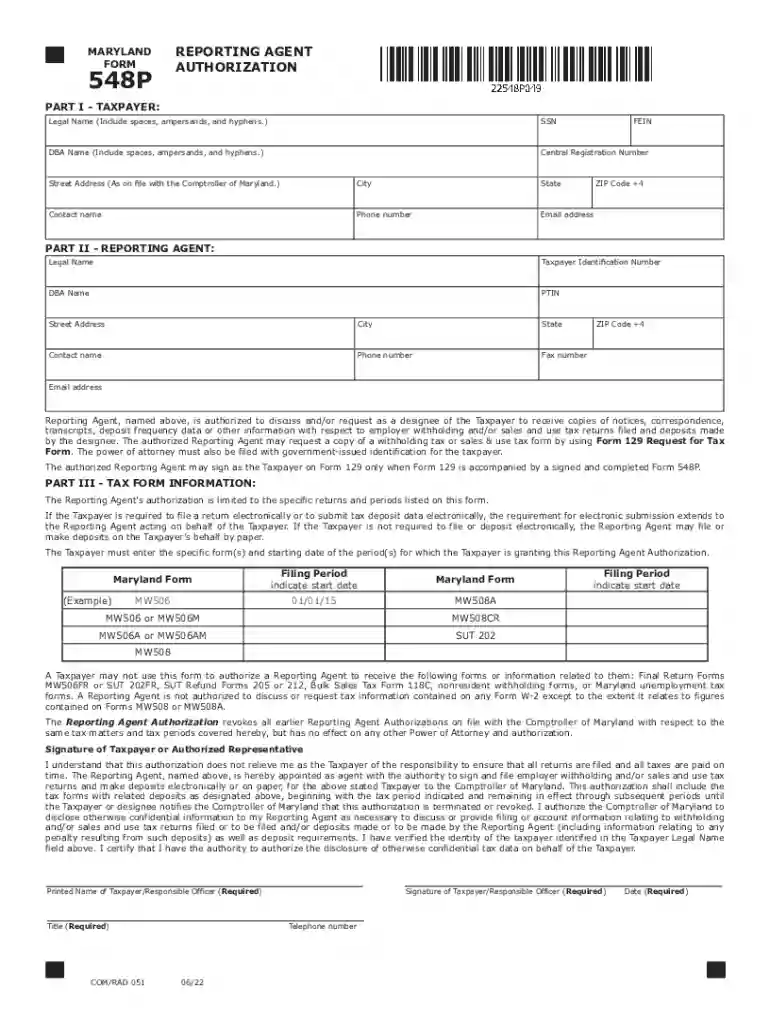
The "POWER OF ATTORNEY - Marylandtaxes.gov" form is a legal document that allows a taxpayer to designate a representative, also known as an agent, to act on their behalf in dealings with the Comptroller of Maryland. This authority typically includes accessing tax information, filing returns, and communicating directly with tax officials. The form is crucial for individuals or businesses that need someone else to manage tax-related tasks, providing a clear legal framework that outlines the rights and responsibilities of both the taxpayer and the agent.
Using the POWER OF ATTORNEY involves several key steps. Initially, the taxpayer must fill out the form, providing details such as their personal information and the specific tax matters they want the agent to handle. It's essential to specify any limitations or restrictions on the agent’s authority to prevent unauthorized actions. Once completed, both the taxpayer and the agent must sign and date the form to validate the agreement. After submission, the agent can commence acting under the specified authority, providing a streamlined process for handling tax obligations.
To obtain the POWER OF ATTORNEY form, taxpayers can visit the official Marylandtaxes.gov website and download a PDF version of the document. For those who prefer a physical copy, forms can often be requested by mail from the Comptroller's Office. Additionally, many tax professionals or attorneys who work with Maryland state taxes might provide the form as part of their services. Digital access ensures that the form is accessible and convenient to complete at any time, facilitating quick preparation and submission.
Completing the POWER OF ATTORNEY involves a series of precise steps:
Utilizing a POWER OF ATTORNEY in tax matters can provide numerous benefits:
The form consists of several crucial parts:
Understanding certain terms can clarify the process and the document’s significance:
The form is tailored to meet Maryland’s legal requirements. Key considerations include:
The legal use of this form is governed by the state’s taxation laws. It enables:
Consider these practical scenarios:
When completing the form, it’s essential to gather necessary documents such as:
We've got more versions of the POWER OF ATTORNEY - Marylandtaxes.gov form. Select the right POWER OF ATTORNEY - Marylandtaxes.gov version from the list and start editing it straight away!
At DocHub, your data security is our priority. We follow HIPAA, SOC2, GDPR, and other standards, so you can work on your documents with confidence.
by S Messmer 2026 STEVEN MESSMER*. The Maryland inheritance tax is not a tax on the wealthy. It is a tax on non-wealthy people dying without having childrenRead more
The Comptrollers Office will no longer accept the federal Form 2848 or federal Form 8821 as power of attorney forms for Maryland tax purposes. Please use oneRead more


