



01. Edit your form online
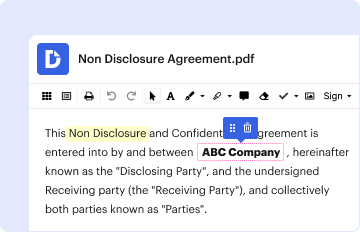
Type text, add images, blackout confidential details, add comments, highlights and more.

Type text, add images, blackout confidential details, add comments, highlights and more.
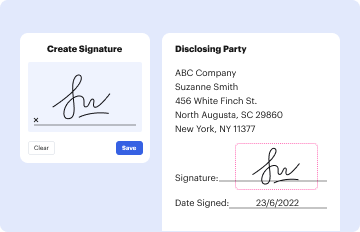
Draw your signature, type it, upload its image, or use your mobile device as a signature pad.

Send it via email, link, or fax. You can also download it, export it or print it out.
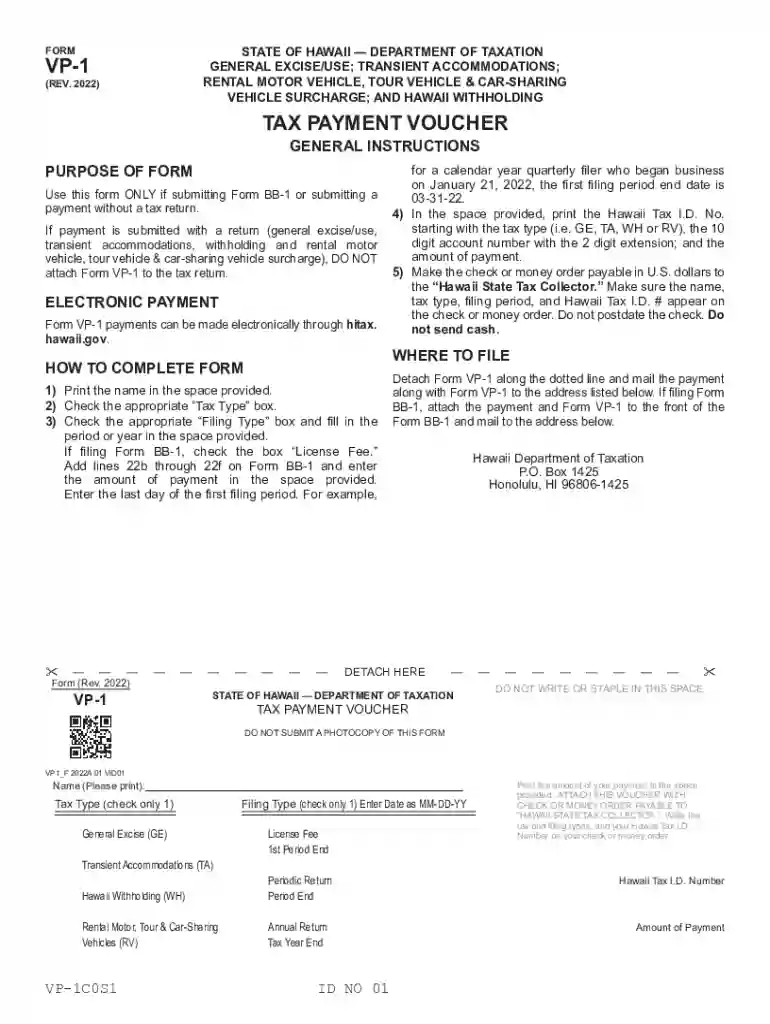
The "Rental Motor, Tour Vehicle, and Car" form from the Department of Taxation is a crucial document used for managing tax obligations related to rental and tour vehicles. It serves as a medium for businesses engaged in rental and leasing services to report taxes due on their operations. This form ensures compliance with taxation policies by capturing necessary details about the rented or leased vehicles, including financial transactions that affect taxable income.
Correct usage of this form involves several key steps to ensure accurate tax reporting. Businesses should follow the outlined procedures to avoid discrepancies and potential penalties.
Completing this form involves a systematic approach to ensure all necessary information is correctly reported. Businesses should follow these comprehensive steps:
To properly navigate and fill out the "Rental Motor, Tour Vehicle, and Car" form, understanding its key components is essential. Each section of the form captures unique and essential data points that are integral to its processing.
This form is generally used by entities engaged in the rental and leasing sector. Understanding who needs this form helps in recognizing its relevance and importance.
To accurately and thoroughly complete the form, several documents may be needed. Ensuring access to all required materials will facilitate accurate completion and submission.
Failing to comply with form submission requirements can incur severe penalties. Understanding these consequences is vital for motivating timely and correct submission.
Tax obligations and requirements may vary significantly depending on the state of operation. It is essential to consider these differences when completing the form.
Utilizing tax software can streamline form completion and reduce errors. Knowing which software can handle this form efficiently is beneficial.
Adhering to submission deadlines is crucial to avoid penalties.
Understanding and adhering to these deadlines will ensure compliance and prevent late fees or penalties.
Not all businesses are automatically eligible or required to file this form. Understanding eligibility criteria is key to ensuring that only qualified entities submit.


We've got more versions of the Rental Motor, Tour Vehicle, and Car ... - Department of Taxation form. Select the right Rental Motor, Tour Vehicle, and Car ... - Department of Taxation version from the list and start editing it straight away!
At DocHub, your data security is our priority. We follow HIPAA, SOC2, GDPR, and other standards, so you can work on your documents with confidence.
Dec 31, 2025 The Department of Taxations forms and instructions, as well as many brochures, newsletters, and reports are provided as pdf files.Read more
State regulations are updated quarterly; we currently have two versions available. Below is a comparison between our most recent version and the prior quarterlyRead more
Apr 15, 1976 The use of his own automobile or a rental automobile is for the convenience of Uplift and is required as a condition of employment.


