Definition & Meaning
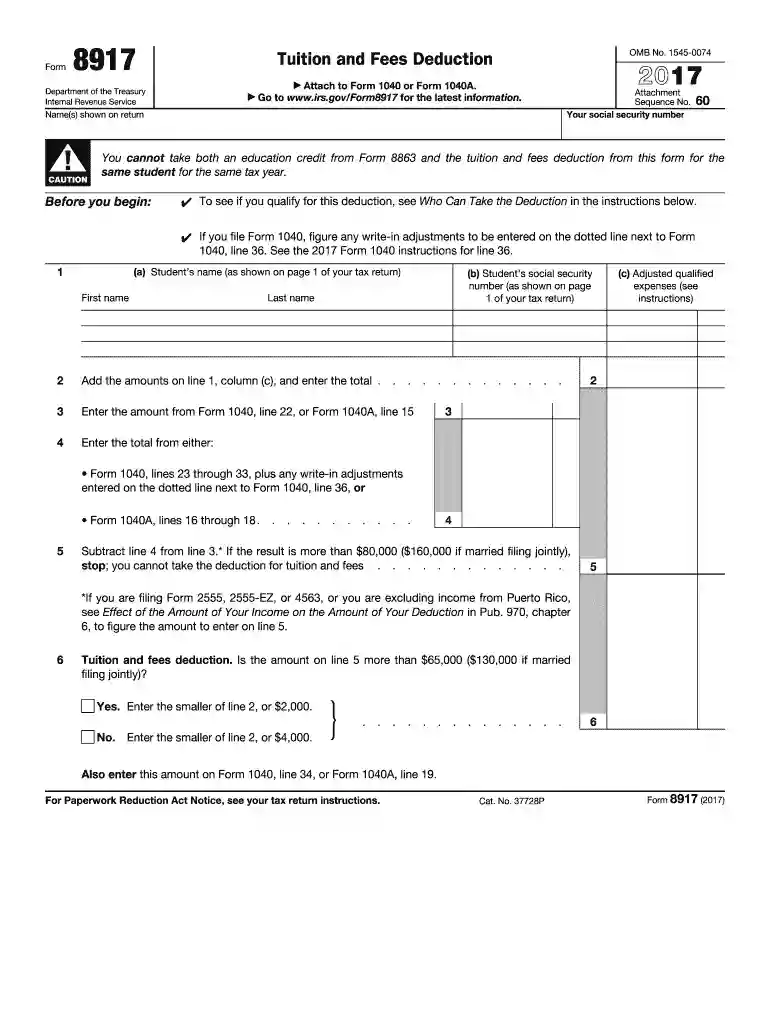
The "Tax Reform and EducationH&R Block" appears to relate to the intersection of tax reforms that impact educational expenses and how services like H&R Block can facilitate tax filing. Tax reform refers to legislative changes aimed at adjusting existing tax laws, possibly affecting deductions related to education expenses. This might involve the use of forms like Form 8917 to claim tuition and fee deductions, although specific form names should be verified for accuracy. H&R Block, a widely recognized tax preparation service, assists taxpayers in navigating these reforms to ensure compliance and maximize benefits.
Key Components of Tax Reforms
- Legislative Changes: Adjustments made to existing tax codes by federal or state governments.
- Educational Impacts: Changes that may influence tax credits or deductions for tuition and education-related expenses.
- Service Utilization: Using H&R Block’s expertise to comprehend and apply tax reforms correctly.
Role of H&R Block
- Tax Preparation: Assists taxpayers in filing their returns accurately.
- Advisory Services: Offers guidance on tax savings and compliance.
- Educational Support: Helps to understand applicable tuition deductions or credits.
How to Use the Tax Reform and EducationH&R Block
To effectively utilize the "Tax Reform and EducationH&R Block," taxpayers should familiarize themselves with current tax laws impacting education and understand how H&R Block can assist in applying these rules during tax preparation.
- Research Current Tax Reforms: Identify and understand reforms related to education.
- Consult with H&R Block Advisors: Gain insight from tax professionals to ensure compliance with new tax laws.
- Utilize Tax Preparation Services: Use H&R Block’s digital platforms or in-person services to prepare and file taxes.
Steps for Effective Use
- Identify Eligible Deductions: Use available resources to check if you qualify for education deductions.
- Document Gathering: Collect necessary paperwork, such as tuition receipts and education expense documentation.
- Review Tax Filing Options: Choose between in-person consultations or digital services provided by H&R Block.
Steps to Complete the Tax Reform and EducationH&R Block
Completing forms influenced by tax reforms related to education requires a thorough understanding of applicable tax laws and precise documentation.
- Gather Documentation: Collect all relevant educational expenses and forms.
- Review Tax Reform Changes: Analyze how the latest tax reforms impact your educational deductions.
- Utilize H&R Block Services: Leverage H&R Block’s expertise for accurate form completion.
- Submit Form: Follow procedures for submitting via digital or physical channels.
Detailed Steps
- Documentation Preparation: Ensure all necessary information is captured, including tuition amounts and other qualifying expenses.
- Consultation: Use a professional service to validate form entries.
- Final Submission: Submit the completed form through your chosen method.
Important Terms Related to Tax Reform and EducationH&R Block
Understanding specific terminologies associated with tax reforms and educational expenses is crucial for accurate tax filing.
- Tuition Deduction: Tax deduction available for qualified education expenses.
- Form 8917: A form used for claiming education-related deductions.
- Tax Credit vs. Deduction: Tax credits reduce the amount of tax owed, while deductions reduce taxable income.
- Eligible Expenses: Costs that qualify for deductions or credits under current tax laws.
Additional Terms
- Filing Status: Directly impacts eligibility for education deductions.
- Education Credits: Various credits applicable for educational expenses, such as the AOTC.
Required Documents
For tax filings impacted by "Tax Reform and EducationH&R Block," certain documents are vital:
- Proof of Tuition Payments: Receipts or invoices from educational institutions.
- Form 1098-T: Provides information on tuition payments for the year.
- Expense Receipts: For books, supplies, and other related educational costs.
Document Management
- Organization: Maintain a system for storing and retrieving necessary documents quickly.
- Documentation Verification: Ensure all details are accurate and documents align with claimed expenses.
Legal Use of the Tax Reform and EducationH&R Block
Ensuring legal compliance involves adhering to IRS guidelines and staying updated with tax reforms affecting educational deductions.
Compliance Guidelines
- IRS Rules: Review current IRS publications relevant to educational deductions.
- State Regulations: Acknowledge variations in state-specific tax laws regarding education.
Professional Assistance
- Legal Consultation: Seek advice from tax professionals or legal advisors when complex scenarios arise.
Application Process & Approval Time
Understanding the steps involved in applying deductions and the expected timeline is crucial for effective tax planning.
Application Steps
- Document Submission: Provide all required documentation digitally or via mail.
- Review Process: The time taken by the IRS or other authorities to process forms.
- Approval Notification: Be prepared for any additional requests for information.
Factors Affecting Approval
- Completeness: Ensure all sections of the form are completed accurately.
- Timeliness: Submit forms well before the deadlines to allow for processing time.
Penalties for Non-Compliance
Non-compliance with tax reforms and incorrect application of education-related credits may lead to penalties.
Types of Penalties
- Financial Penalties: Fines for incorrect filings or failing to adhere to tax laws.
- Audit Risk: Increased likelihood of being audited by the IRS.
Prevention Strategies
- Regular Updates: Stay informed about changes in tax laws.
- Professional Guidance: Employ services of tax professionals to minimize errors.
Engagement with "Tax Reform and EducationH&R Block" involves a comprehensive understanding of educational expenses, legislative changes, and professional services. It ensures that taxpayers can optimize their filings, adhere to legal standards, and reduce the likelihood of facing penalties.