




01. Edit your form online
Type text, add images, blackout confidential details, add comments, highlights and more.

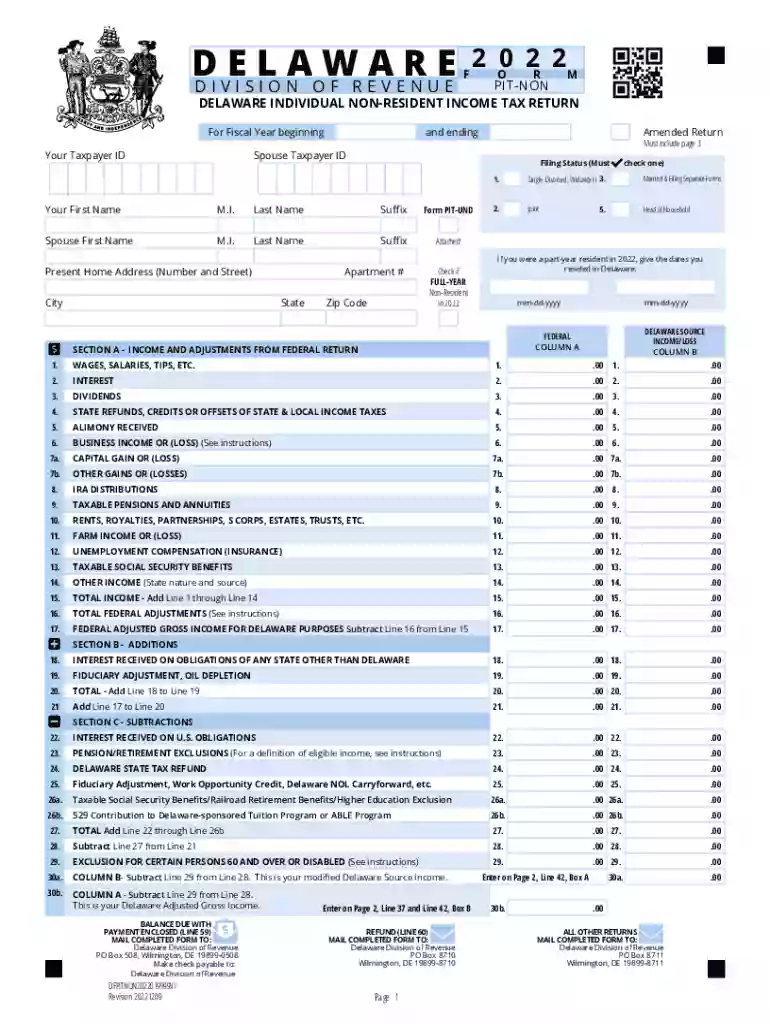
Type text, add images, blackout confidential details, add comments, highlights and more.

Draw your signature, type it, upload its image, or use your mobile device as a signature pad.

Send it via email, link, or fax. You can also download it, export it or print it out.
The term "Division of Revenue" often refers to the allocation process of financial resources among different governmental bodies or sectors. In the United States, this can pertain to federal, state, and local governments distributing collected tax revenues to fund public services, infrastructure, and development projects. The division is typically guided by legislative frameworks, fiscal policies, and specific budgetary needs. Understanding this concept is crucial for taxpayers, policymakers, and government agencies as it influences financial planning and socio-economic priorities.
Using the Division of Revenue requires understanding its context within governmental budgets and funding allocations. You can engage with this concept by analyzing budget documents released by governmental departments to see how revenues are distributed. This analysis is vital for making informed decisions on policy planning or assessing the efficiency of fund usage in specific areas like education or healthcare. Certain software tools can help in the presentation and interpretation of division data, making it accessible for stakeholders such as nonprofits or educational institutions aiming to track funding for their sectors.
Each step in this process requires careful data analysis and adherence to legal frameworks to ensure an equitable and efficient distribution of resources.
These elements are critical for maintaining transparency and effectiveness in the use of public funds.
The Division of Revenue is predominantly used by government officials, policymakers, and financial analysts. These professionals use the division to plan budgets, fund public programs, and evaluate fiscal needs. Other users include academic researchers studying economic impacts, and advocacy groups monitoring equitable distribution of resources. Alignment with fiscal policies ensures that funds are directed towards intended public benefits and infrastructure improvements.


Each U.S. state may have its own set of rules governing the division of revenue. These can vary significantly due to differences in economic conditions, legislative frameworks, and political priorities. For example, a state with significant tourism revenue might allocate more funds to infrastructure projects that support this industry. State budgets are typically outlined in official state publications and are subject to annual reviews and adjustments by state legislatures.
The Division of Revenue process is closely aligned with fiscal year timelines, which can vary between federal and state jurisdictions. Generally, fiscal years might start on July 1 and end on June 30, but this can differ. Key dates include budget proposal submissions, public hearings, and budget approval deadlines. It is critical to adhere to these timelines to ensure continuity in funding and avoid disruption in public services.
Failure to comply with established guidelines in the Division of Revenue can result in serious penalties. These might include financial audits, withholding of funds, or mandated corrective measures. For public administrators, non-compliance can lead to administrative sanctions or public backlash. It is important to maintain thorough documentation and transparency throughout the division process to mitigate any potential risks and adhere to accountability standards.
Several software solutions can facilitate the Division of Revenue by enhancing accuracy and efficiency in managing financial data. Platforms such as QuickBooks or specialized governmental budgeting software can streamline the allocation process, allowing for detailed tracking and reporting. Compatibility with these tools can greatly improve resource management, provide robust analytical capabilities, and facilitate seamless fiscal reporting across departments.
We've got more versions of the DIVISION OF REVENUE form. Select the right DIVISION OF REVENUE version from the list and start editing it straight away!
At DocHub, your data security is our priority. We follow HIPAA, SOC2, GDPR, and other standards, so you can work on your documents with confidence.
Welcome to the Division of Revenue and Enterprise Services (DORES). We are dedicated to providing the highest quality services in the most efficient mannerRead more
Sep 16, 2013 The principal author of these proposed regulations is Stephanie Caden, Office of the Division Counsel/Associate Chief. Counsel (Tax Exempt andRead more
Sep 18, 2025 N.J. Department of Treasury - Division of Revenue, On-Line Inquiry . 1 of 1. 9/18/2025, 4Read more


