



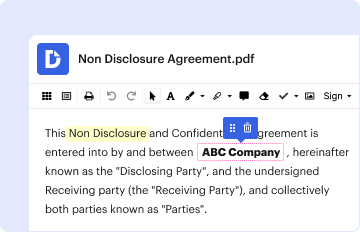
01. Edit your form online
Type text, add images, blackout confidential details, add comments, highlights and more.

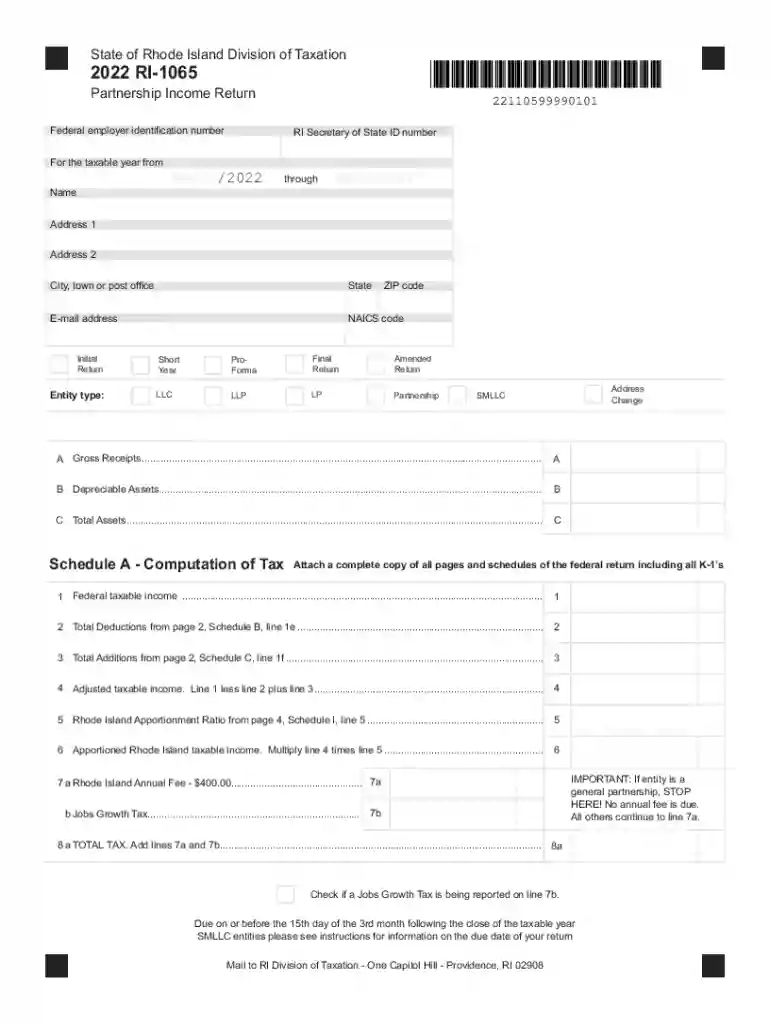
Type text, add images, blackout confidential details, add comments, highlights and more.
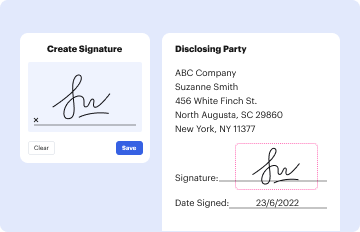
Draw your signature, type it, upload its image, or use your mobile device as a signature pad.

Send it via email, link, or fax. You can also download it, export it or print it out.
The RI Division of Taxation: Welcome form is a detailed guide provided by the Rhode Island Division of Taxation to help individuals and businesses understand their tax responsibilities within the state. It serves as a comprehensive resource for interpreting tax laws, submitting necessary forms, and complying with state regulations. This guide covers a wide range of tax-related topics, including income reporting, deductions, and tax credits applicable to various business entities and individuals.
To effectively utilize the RI Division of Taxation: Welcome, users should follow these steps:
Ensure to cross-reference any advice with current state guidelines, as tax laws frequently change.
Completing the administrative processes suggested by the RI Division of Taxation: Welcome involves several critical actions:
The guide includes several essential components aimed at assisting taxpayers:
Understanding these key elements is vital for maintaining compliance with state taxation laws, thereby minimizing the risk of penalties.
Rhode Island imposes specific taxation rules that may differ from federal requirements. Notable differences include state-level deductions, local tax credits, and distinct apportionment rules. Taxpayers should be aware of these distinctions to accurately file taxes within the state and remain compliant with jurisdiction-specific regulations.
The typical users of this form can range from individual taxpayers to diverse business entities, including:
Each group utilizes different components of the form based on their specific needs and tax responsibilities.


Failure to adhere to the guidance outlined within the RI Division of Taxation: Welcome can result in several penalties. These might include fines, interest on unpaid taxes, and in serious cases, legal action. It is critical for taxpayers to understand these consequences and remain diligent in accurate, timely tax filings to avoid such outcomes.
Timely submission of tax forms as per the RI Division of Taxation: Welcome is crucial for compliance. The exact deadlines vary depending on whether one is filing as an individual or business entity. Generally, partnerships must submit forms by March 15, while individuals and corporations follow the April 15 deadline, subject to extensions. Keeping track of these dates ensures compliance and prevents late fees.
Adhering to these deadlines is pivotal for taxpayers to ensure smooth coordination with the Rhode Island tax authorities while avoiding penalties.
We've got more versions of the RI Division of Taxation: Welcome form. Select the right RI Division of Taxation: Welcome version from the list and start editing it straight away!
| Versions | Form popularity | Fillable & printable |
|---|---|---|
| 2025 | 4.6 Satisfied (38 Votes) | |
| 2024 | 4.7 Satisfied (47 Votes) | |
| 2023 | 4.7 Satisfied (33 Votes) | |
| 2022 | 4.3 Satisfied (21 Votes) | |
| 2021 | 4.9 Satisfied (50 Votes) | |
| 2020 | 4.3 Satisfied (109 Votes) | |
| 2019 | 4.3 Satisfied (145 Votes) | |
| 2018 | 4.4 Satisfied (284 Votes) | |
| 2017 | 4.4 Satisfied (215 Votes) | |
| 2013 | 4.3 Satisfied (122 Votes) |
At DocHub, your data security is our priority. We follow HIPAA, SOC2, GDPR, and other standards, so you can work on your documents with confidence.
Contact the Rhode Island Division of Taxation for additional assistance. Promoters Permit A Promoter means any person who, for consideration, rents or leasesRead more
Welcome Administering RI state taxes and assisting taxpayers by fostering voluntary compliance through education and ensuring public confidence.
Sep 16, 2013 This revenue ruling determines the status of individuals of the same-sex who are lawfully married under the laws of a state that recognizes suchRead more


