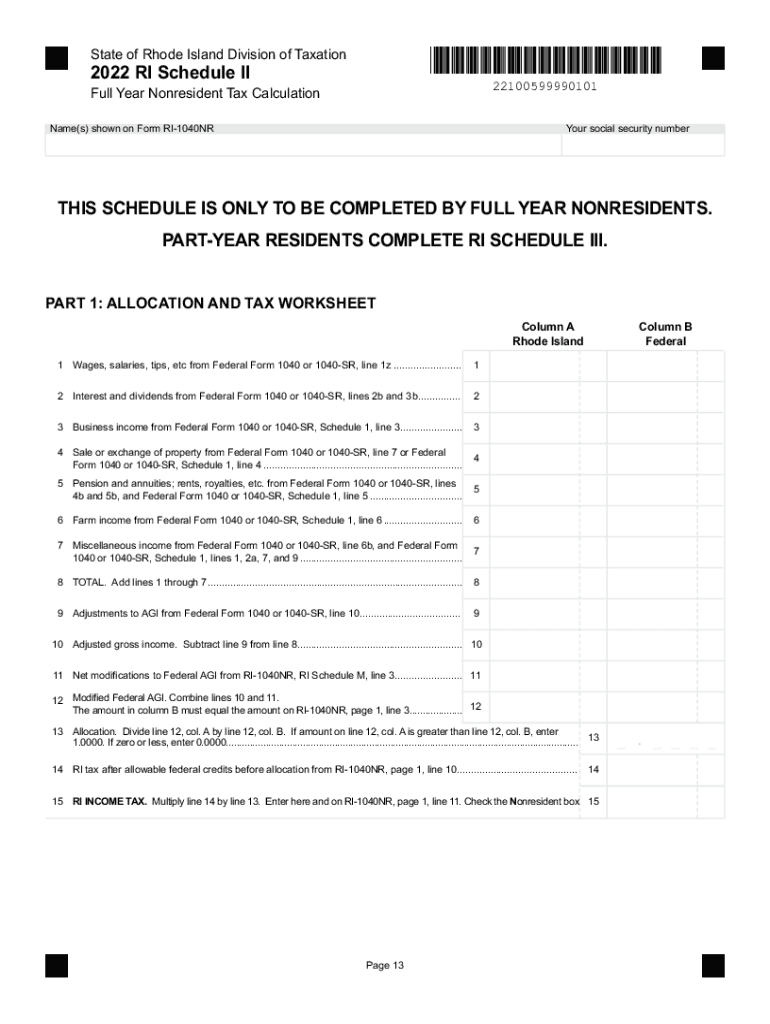







Definition & Meaning
Federal Form 1040 or 1040-SR, line 1z, is a section on U.S. federal income tax forms that requires taxpayers to report their wages, salaries, tips, and other forms of compensation. These amounts are typically based on information reported on W-2 forms provided by employers. The purpose of this line is to accurately capture all taxable income received as compensation for services, ensuring appropriate tax calculations for both individuals and governmental purposes.
Key Components
- Wages and Salaries: This is the total amount stated on your W-2 forms under boxes one and 16, capturing income from multiple employers if applicable.
- Tips: Income regularly received as gratuities, which may not always be reflected on W-2 forms but still require reporting.
- Other Compensation: Includes any additional taxable income not captured as wages or tips, such as bonuses or commissions.
How to Use the Form Line 1z
Understanding how to accurately complete line 1z on your federal tax forms can help ensure compliance with IRS requirements and potentially avoid underreporting income.
- Collect Necessary Documents: Gather all relevant W-2 forms, pay stubs, and records of tips or other compensation for clear documentation of income.
- Summarize Total Income: Use the information from collected documents to compute the full amount of wages, tips, and additional compensation.
- Input Accurate Figures: Enter the total calculated sum on line 1z, ensuring it aligns with any attached supporting documents.
How to Obtain the Information for Line 1z
The information needed to fill out line 1z can typically be obtained from several key sources:
- W-2 Forms: As the primary document, it will contain detailed breakdowns of wages and salaries for the tax year.
- Employer Records: Request detailed payment histories or pay stubs if certain elements are not clear on W-2s.
- Personal Ledger: For tip income and other types of irregular compensation, maintain personal records including daily logs and, where possible, formal documentation from employers.
Steps to Complete Form Line 1z
Completing line 1z involves precise steps to ensure accurate reporting:
- Review W-2 Forms: Check for accuracy in amounts reported by any employers.
- Document Additional Income: For tips and other income not reflected on W-2s, maintain separate logs or documentation.
- Calculate Totals: Combine all reportable income into a total.
- Check for Consistency: Verify that totals match across all reporting documents before entering the final number on the tax form.
Who Typically Uses This Line
Line 1z is applicable to a wide range of taxpayers:
- Salaried Individuals: Standard employees reporting wages.
- Hourly Workers: Including those who frequently receive overtime or bonuses.
- Service Industry Employees: Those who work extensively for tips, such as servers and bartenders.
- Part-time Workers: Individuals with multiple employment sources providing separate W-2s.
IRS Guidelines for Form 1040 and 1040-SR
The IRS provides specific guidelines regarding the reporting of wages, salaries, and tips on tax forms:
- Accuracy Requirement: All income must be reported annually, accurately reflecting W-2 data.
- Record Keeping: Maintain all documents and records used for verification, as these may be requested during audits.
- Tip Reporting: Tips exceeding $20 per month require specific procedures for direct reporting to employers.
Filing Deadlines and Important Dates
Understanding and adhering to the IRS deadlines is crucial for compliance:
- W-2 Receipt Deadline: Employers must send W-2 forms by January 31 of the following tax year.
- Income Tax Return Deadline: Federal tax returns are typically due by April 15, although this can vary if the date falls on a holiday or weekend.
- Extensions: Available upon request, providing up until October 15 of the same year.
Required Documents for Accurate Reporting
Several documents are fundamental for an accurate line 1z report:
- W-2 Forms: Official employer tax documents showing wages and deductions.
- Personal Logs: Records of tips and other informal income sources.
- Employer Statements: Any formal acknowledgment of additional non-standard compensation.
Legal Use and Compliance
Reporting through line 1z complies with federal law regarding income declaration:
- Compliance with ESIGN Act: Electronic submissions and required signatures on forms carry legal weight.
- Adherence to Tax Codes: Following prescribed processes ensures adherence to U.S. tax codes.
Important Terms Related to Line 1z
Understanding key terms associated with line 1z can aid compliance:
- Adjusted Gross Income (AGI): Total income minus deductions, of which wages are a component.
- Withholding: Automatic deductions for taxes taken from wages, impacting net income.
Penalties for Non-Compliance
There are various consequences for failing to comply with reporting requirements accurately:
- Audits: Potential for IRS review of discrepancies in reported income.
- Fines and Penalties: Financial repercussions for underreporting or failing to report income.
- Legal Action: Severe underreporting may result in judicial consequences.
Taxpayer Scenarios
Line 1z is applicable across a diverse set of scenarios, which include:
- Self-Employed Individuals: Though primarily separate, must report income appropriately if receiving W-2s.
- Retired Taxpayers: May need to report income from part-time work.
- Students: Those holding part-time jobs with formal employer relationships requiring wage reporting.