







Definition & Meaning
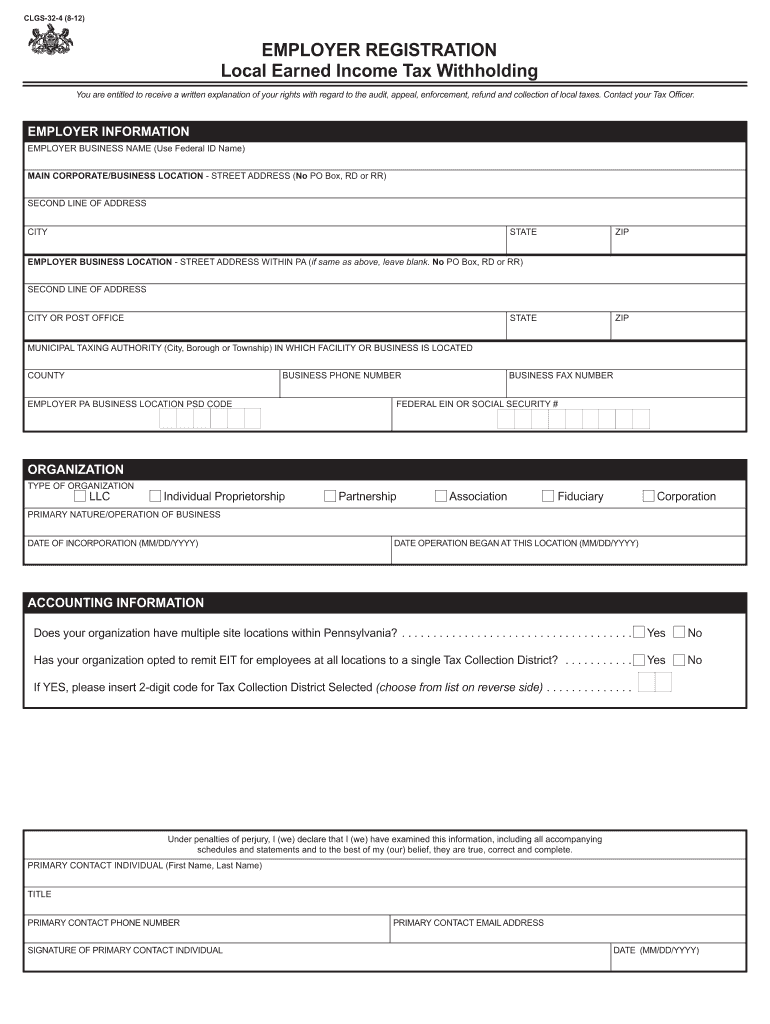
Understanding the importance of being entitled to receive a written explanation of your rights regarding the audit, appeal, enforcement, refund, and collection of local taxes can significantly impact your interactions with tax authorities. This form is designed to inform taxpayers about their rights and responsibilities when dealing with local tax matters. It covers various elements, including the audit process, potential appeals, and methods of enforcement. By providing written explanations, taxpayers are better equipped to understand the legal and procedural framework governing their local taxes, ensuring transparency and accountability.
How to Obtain the Form
To acquire the written explanation of your rights regarding audits and local taxes, individuals typically reach out to their local tax office or authority responsible for tax administration in their jurisdiction. In many cases, these documents are available online through the official website of the tax office or are sent automatically to taxpayers undergoing audits or other tax-related processes. When downloading from a website, ensure that it is an official or reliable source to maintain the document's authenticity.
Steps to Complete the Form
Once you receive the document outlining your rights, it is essential to read it carefully and complete any sections that require your input. Follow these general steps to ensure proper completion:
- Review the Document: Thoroughly read through each section to understand the provided information.
- Complete Relevant Sections: If the form requires personal details or acknowledgment of receipt, provide accurate information.
- Seek Clarification: Don't hesitate to contact your local tax authority if any points are unclear.
- Retain a Copy: Keep a copy for your records and future reference, either digitally or as a paper copy.
Why You Are Entitled to the Explanation
Receiving a written explanation of your rights is a fundamental aspect of maintaining taxpayer fairness and transparency. This entitlement ensures that taxpayers can defend their rights and understand their obligations concerning local taxes. It protects individuals from potential legal penalties or misunderstandings, as it offers clear guidance on procedures like audits, appeals, and the enforcement of tax laws. By having this information, taxpayers are better positioned to navigate the complexities of tax regulations.
Key Elements of the Form
The document includes various key components essential for a comprehensive understanding. These elements may include:
- Audit Procedures: Details on how your taxes are assessed.
- Appeal Rights: Information on how to contest an audit result.
- Enforcement Actions: Understanding potential enforcement measures.
- Refund Processes: Guidance on how to claim refunds if applicable.
- Collection Methods: Overview of tax collection practices and consequences for non-payment.
State-Specific Rules
Tax rights and procedures can vary significantly from one state to another within the United States. Each state may have unique laws governing the audit, appeal, and enforcement processes. It is crucial for taxpayers to identify the rules applicable in their state, as this impacts the interpretation and usage of their rights under the local tax system. Pay attention to any specific clauses or additional requirements that your state may enforce beyond the general national guidelines.
Who Issues the Form
The written explanation of rights regarding local taxes is usually issued by the local tax authority, such as a county tax department or state tax agency. These bodies are responsible for administering tax laws and ensuring compliance within their jurisdiction. They provide these documents as part of their duty to educate and inform taxpayers about their entitlements and liabilities, fostering a transparent and accountable tax system.
Examples of Using the Form
Practical scenarios illustrate the form's importance:
- Audit Notification: John receives an audit notice and is unsure of his rights. The form helps him understand his ability to appeal and the timing involved.
- Disputed Tax Assessment: Maria challenges an incorrect tax assessment. The form informs her of the proper appeal process and deadlines.
- Refund Inquiry: After overpaying, Susan seeks guidance on obtaining a refund, which the form addresses comprehensively.
These instances underline the form's role in empowering taxpayers with vital information for managing their tax affairs effectively.
Penalties for Non-Compliance
Failure to understand or act upon the rights and obligations outlined in the document can result in significant penalties. Non-compliance may lead to fines, additional interest on unpaid taxes, and even legal action. Being proactive in comprehending the document’s contents and following through with any necessary actions can prevent these adverse outcomes.
Important Terms Related to the Form
Several critical terms are frequently associated with this form:
- Audit: The examination of tax records to ensure accuracy.
- Appeal: The process of challenging a tax decision.
- Enforcement: Actions taken to ensure compliance with tax laws.
- Refund: The return of overpaid taxes to the taxpayer.
- Collection: The methods used to gather owed taxes.
Understanding these terms is crucial for navigating the local tax system efficiently.




