







Definition & Meaning
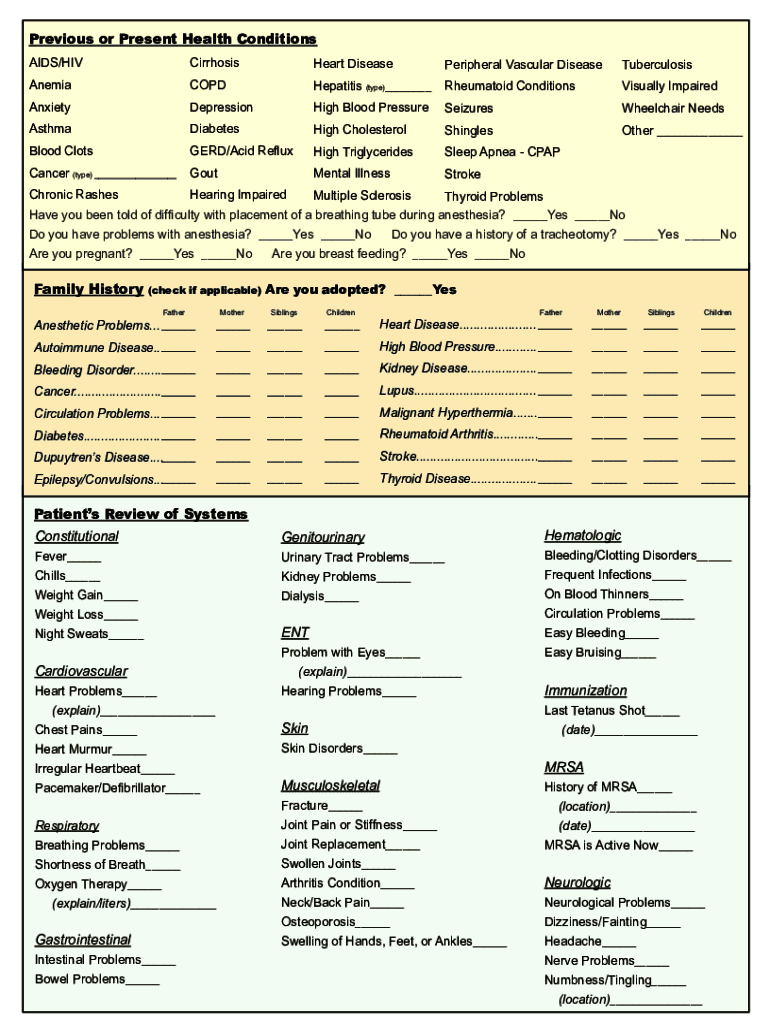
The "HIV and Heart DiseaseThe Johns Hopkins Heart and Vascular Institute" form is a detailed document used for collecting data related to the correlation between HIV and cardiovascular health. Its intent is to provide comprehensive insights into how HIV can influence heart disease, as understood through the research and clinical observations at The Johns Hopkins Heart and Vascular Institute.
Purpose of the Form
- To assess the risk factors of heart disease in patients with HIV.
- To collect detailed health histories for research and clinical purposes.
- To provide a standardized method of documentation for medical professionals.
Significance
Understanding how HIV affects heart health can significantly alter treatment plans and improve patient outcomes. This form assists in gathering the essential data needed for advancing medical research and improving patient care strategies.
How to Use the HIV and Heart DiseaseThe Johns Hopkins Heart and Vascular Institute
Step-by-Step Instructions
- Patient Information: Begin by filling out the patient's personal information, including name, age, contact details, and HIV status.
- Medical History: Provide comprehensive details about the patient’s past medical conditions, particularly those related to cardiovascular health.
- Current Medications: List all medications the patient is currently taking, focusing on antiretrovirals and any cardiovascular drugs.
- Family History: Include any family medical history that might indicate a predisposition to heart disease.
- Lifestyle Factors: Document lifestyle factors such as smoking, diet, and exercise habits, which can influence heart health.
Practical Application
Medical professionals use this form to tailor treatment based on individualized patient data, ensuring that the intersection of HIV and heart disease is managed effectively.
Steps to Complete the HIV and Heart DiseaseThe Johns Hopkins Heart and Vascular Institute
Detailed Guide
- Gather Information: Collect all necessary data including medical records and family history.
- Accuracy Check: Verify all information for accuracy to prevent any misdiagnosis or treatment errors.
- Submit Documentation: Ensure all sections are completed before submitting the form either online or via secure mail.
Common Errors to Avoid
- Omitting critical medical history or current treatment details.
- Failing to update changes in the patient's health status or medication.
Important Terms Related to HIV and Heart DiseaseThe Johns Hopkins Heart and Vascular Institute
Key Medical Terms
- Antiretrovirals: Medications used to treat HIV, which can have implications for heart disease.
- Cardiovascular Risk Factors: Elements like high cholesterol, hypertension, and smoking that increase the risk of heart disease.
Understanding Jargon
Familiarize yourself with medical terminology to accurately complete and understand the form, ensuring no miscommunication between patients and healthcare providers.
Key Elements of the HIV and Heart DiseaseThe Johns Hopkins Heart and Vascular Institute
Form Sections
- Patient Demographics
- Medical and Family History
- Current Treatments and Medications
- Risk Assessment and Recommendations
Detailed Breakdown
Each section should be carefully completed to provide a full picture of the patient’s health status, aimed at identifying any overlaps between HIV treatment and heart disease prevention.
State-Specific Rules for the HIV and Heart DiseaseThe Johns Hopkins Heart and Vascular Institute
Variations Across States
- The legal requirements for data protection may vary by state, influencing how patient data is collected and stored.
- Different states may have unique public health protocols influencing the completion of this form.
Compliance
Ensure that the form adheres to the specific legal requirements within your state to guarantee compliance and protect patient confidentiality.
Legal Use of the HIV and Heart DiseaseThe Johns Hopkins Heart and Vascular Institute
Privacy and Security
- Data Encryption: Ensure the protection of sensitive health information with secure data management systems.
- HIPAA Compliance: Follow HIPAA guidelines to maintain patient confidentiality throughout the data collection and storage process.
Legal Implications
Understanding these legal frameworks is essential for avoiding any breaches in patient confidentiality and ensuring that all medical data is used appropriately.
Software Compatibility
Integration with Practice Management Systems
- Electronic Medical Records (EMR): Ensure the form integrates smoothly with commonly used EMR systems to facilitate easy transfer of data.
- Collaborative Platforms: Use software that supports collaboration among healthcare team members for seamless sharing of information.
Detailed Examples
Systems such as EPIC or Cerner are often compatible, allowing for efficient import and export of patient data to maintain accurate and updated medical records.




