
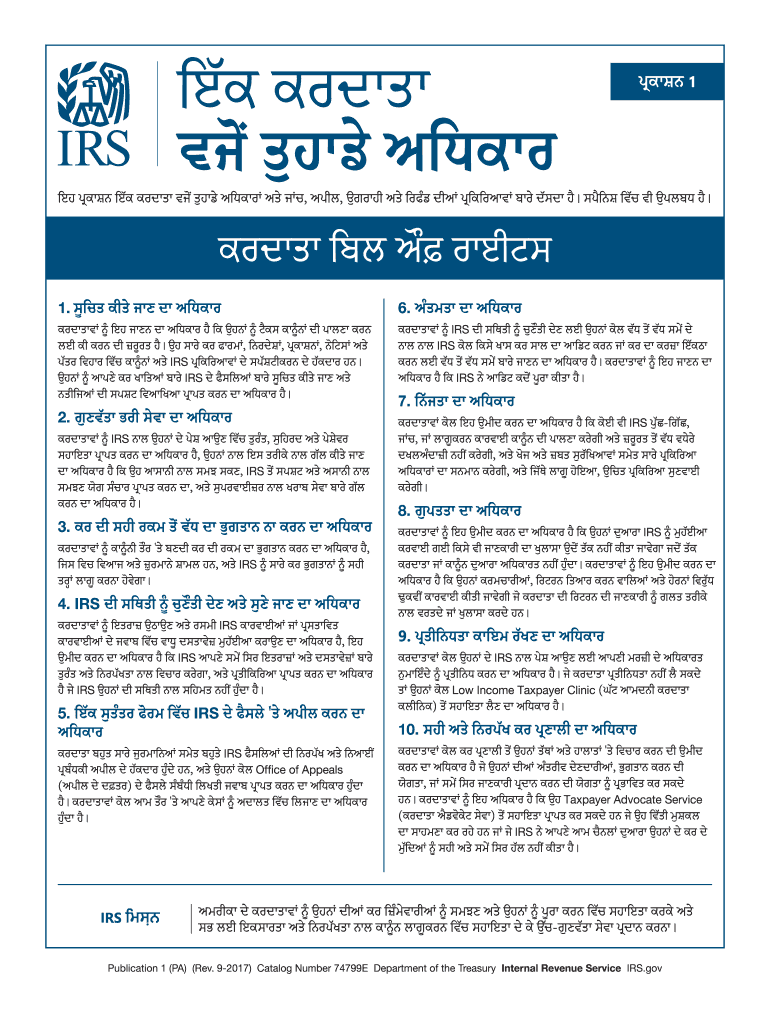







Understanding Taxpayer Rights
Taxpayer rights encompass a set of entitlements that ensure fair treatment and transparency in interactions with the Internal Revenue Service (IRS). These rights are designed to protect individuals and businesses during tax-related processes, such as audits, appeals, and obtaining refunds. The concept of taxpayer rights is critical as it empowers individuals to engage confidently with the IRS, knowing that they have specific protections.
Key Elements of Taxpayer Rights
- Right to Be Informed: Taxpayers must receive clear explanations about tax laws and IRS procedures. Information should be accessible to help them comply properly.
- Right to Quality Service: Taxpayers are entitled to courtesy and timely responses during interactions with the IRS.
- Right to Challenge IRS Position: Individuals have the right to object and provide documentation during audits if they disagree with IRS findings.
- Right to Privacy: Tax information must be handled with confidentiality and only used for authorized purposes.
- Right to Pay No More than the Correct Amount of Tax: Ensures that taxpayers are only liable for taxes due, without excessive charges.
How to Utilize Taxpayer Rights
To effectively use taxpayer rights, one must understand the processes involved in contesting IRS decisions and ensuring fair treatment. Taxpayers can:
- Access IRS Publications: Regularly review materials like IRS Publication 1, which details taxpayer rights.
- Engage with Tax Professionals: Consult tax advisors or attorneys who specialize in IRS matters for guidance.
- Document Interactions: Keep records of all communication and notifications from the IRS to assist in appeals if needed.
How to Obtain Information About Rights
Taxpayers can obtain detailed information about their rights through several channels:
- IRS Website and Publications: The IRS provides a wealth of resources explaining taxpayer rights. Publications can be downloaded directly from their site.
- Taxpayer Advocate Service (TAS): An independent organization within the IRS that offers free help to resolve tax issues and understand your rights.
- Public Workshops and Seminars: Attend educational events hosted by the IRS or local tax agencies, which often include sessions on taxpayer rights.
Steps to Assert Your Rights
Asserting taxpayer rights involves several steps, especially during disputes or audits:
- Review Audit Notices: Carefully examine any notices or letters received from the IRS to understand the issues raised.
- Gather Documentation: Collect relevant documents, including receipts, statements, and correspondence, to support your position.
- Request Meetings or Appeals: Use available channels to discuss your concerns. Filing an appeal if you disagree with an IRS decision allows you to challenge their findings.
Importance of Understanding Taxpayer Rights
Understanding taxpayer rights is crucial for several reasons:
- Ensures Fair Treatment: Awareness prevents intimidation and promotes equitable handling during tax audits or discrepancies.
- Facilitates Compliance: Knowing your rights can ease anxiety about tax obligations, encouraging timely and accurate tax returns.
- Protects Privacy: Ensures that your financial information is used appropriately and remains confidential.
Common Users of Taxpayer Rights
Taxpayer rights are applicable to individuals and organizations alike:
- Individuals: Engage with the IRS for individual tax returns, audits, or queries.
- Businesses: Benefit from rights during corporate audits or disputes over deductions and credits.
- Non-profits and Charitable Organizations: Use rights to ensure proper handling of exemptions and contributions.


IRS Guidelines on Taxpayer Rights
The IRS provides specific guidance on how taxpayer rights should be upheld:
- Procedures for Addressing Disputes: Defined steps exist for taxpayers to contest findings, including appeals processes.
- Advisory Notices: Regular updates and advisories regarding changes in tax laws and taxpayer rights ensure that all parties remain informed.
Examples of Utilizing Taxpayer Rights
Real-world scenarios illustrate the practical application of taxpayer rights:
- Audit Situations: A self-employed individual disagrees with an IRS determination on income reporting. By invoking their right to appeal, they initiate a review process.
- Incorrect Tax Assessments: A taxpayer receives a notice of overdue taxes mistakenly. By exercising the right to challenge, they present evidence for reassessment.
Through understanding and utilizing the rights available, taxpayers can confidently navigate the complexities of tax obligations and maintain a fair relationship with the IRS.




