
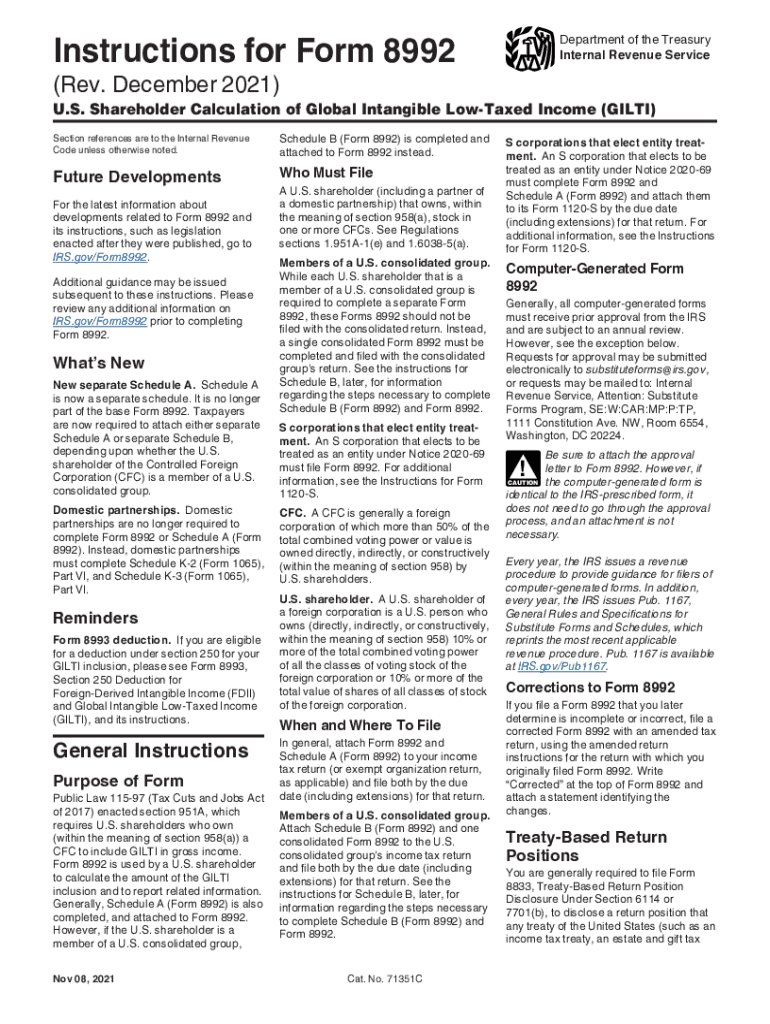







Definition & Meaning
Rev. Rul. 2021-2, issued by the Internal Revenue Service (IRS), represents an official interpretation or clarification of the tax laws as applied to specific factual situations. It serves as guidance for taxpayers and tax professionals to understand how the IRS might apply certain laws to similar scenarios. Rev. Rul. 2021-2 addresses specific tax issues pertinent to the fiscal year 2021 and provides clarity on compliance requirements under evolving tax regulations. By understanding this ruling, taxpayers can ensure they are correctly applying tax code provisions.
How to Use Rev. Rul. 2021-2
To effectively use Rev. Rul. 2021-2, one must identify the applicable regulations and rules it discusses. Tax professionals typically review these rulings to ascertain the IRS’s stance on various tax issues that might impact their clients’ tax situations. For personal use:
- Review Compliance Requirements: Determine how the ruling affects your tax situation, particularly in areas of clarified tax obligations.
- Align with IRS Interpretations: Use the ruling as a cross-reference when filling out related tax forms, ensuring that your applications align with IRS interpretations.
- Consult a Professional: Where necessary, discuss the ruling with a tax advisor to fully grasp its implications and to determine how it applies to specific circumstances.
Important Terms Related to Rev. Rul. 2021-2
Understanding Rev. Rul. 2021-2 can often require familiarity with certain key terms. Some of these terms include:
- Ruling: The explanation or conclusion of the IRS regarding the application of tax law.
- Taxpayer: An individual or entity subject to taxes.
- Compliance: Adherence to tax regulations and filing requirements.
- Fiscal Year: A year as reckoned for taxing or accounting purposes, not necessarily aligning with the calendar year.
- Tax Code: The federal statutes regulating taxation in the United States.
IRS Guidelines
Rev. Rul. 2021-2 must be interpreted in accordance with current IRS guidelines. These guidelines are meant to ensure that all taxpayers file their taxes accurately, reflecting comprehension of newly implemented changes or confirmations in tax policy. IRS guidelines provide a framework for leveraging rulings accurately and can be sourced directly from the IRS website.
Filing Deadlines / Important Dates
Rev. Rul. 2021-2 may affect or highlight specific tax filing deadlines and important dates critical to compliance. These deadlines ensure timely tax submissions and help avoid potential penalties:
- Annual Tax Return Deadline: Typically April 15, for individual taxpayers, unless extended by specific IRS provision for that tax year.
- Quarterly Estimated Payments: Dates throughout the year when estimated taxes should be paid, applicable to self-employed individuals or those with significant income not subject to withholding.
Key Elements of Rev. Rul. 2021-2
Understanding the key elements of Rev. Rul. 2021-2 can help ensure tax compliance and prevent misunderstanding or misinterpretation of tax obligations:
- Clarifications on Specific Tax Issues: Details on how specific sections of the tax code are to be applied in particular contexts.
- Outlines of Legal Obligations: Addresses the taxpayer's responsibilities under current tax law.
- Guidance on Documentation: Provides information on what supporting documentation is necessary to substantiate claims or deductions under specific tax scenarios outlined in the ruling.
Penalties for Non-Compliance
Failure to adhere to the stipulations or clarified interpretations set forth in Rev. Rul. 2021-2 can result in various penalties:
- Monetary Fines: These may be imposed for incorrectly filed returns or missed filing deadlines.
- Interest on Underpaid Taxes: Interest can accrue on any tax debt found to be underpaid based on improper interpretation of the ruling.
- Legal Repercussions: In severe cases, non-compliance can lead to audits or legal actions.
Software Compatibility
To assist with compliance and ease of filing when considering Rev. Rul. 2021-2, utilizing compatible tax software is essential. Programs like TurboTax or QuickBooks can:
- Incorporate the Latest Rulings: Ensure that any changes or clarifications made under recent IRS rulings are reflected in the tax preparation process.
- Provide Form Filling Assistance: Guide users through the preparation of tax forms, offering prompts that help ensure all information aligns with IRS requirements.
- Generate Reports for Review: Assist in the preparation of necessary reports that confirm compliance with applicable tax rulings.
By understanding these elements, taxpayers can leverage Rev. Rul. 2021-2 to maintain accurate tax records and meet their tax responsibilities effectively.




