Supporting documents for dependency exemptions form 2026

Get Form
supporting documents for dependency exemptions form Preview on Page 1

Here's how it works

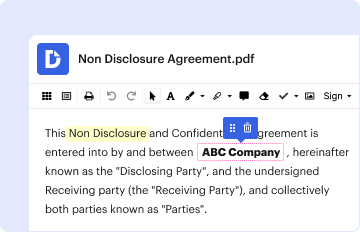
01. Edit your form online
Type text, add images, blackout confidential details, add comments, highlights and more.

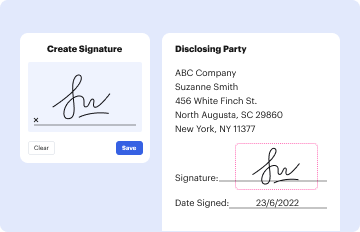
02. Sign it in a few clicks
Draw your signature, type it, upload its image, or use your mobile device as a signature pad.
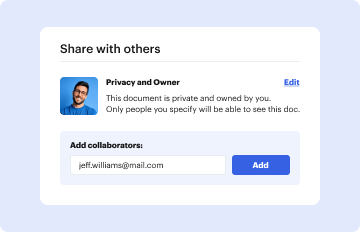
03. Share your form with others
Send it via email, link, or fax. You can also download it, export it or print it out.

Definition and Meaning

Supporting documents for dependency exemptions form are vital for taxpayers, particularly when claiming dependents on their tax return. These documents substantiate the taxpayer's eligibility to claim a dependent, ensuring compliance with IRS regulations. Typically, these records include proof of the relationship to the dependent, evidence of financial support provided, and documentation confirming custody or living arrangements. The accuracy and completeness of these documents are crucial, as they aid in avoiding penalties and audit complications.

Key Elements of Supporting Documents

  • Proof of Relationship: Birth certificates, adoption papers, or legal documents that define the relationship between the taxpayer and the dependent.
  • Financial Support Evidence: Receipts, bank statements, or affidavits demonstrating that the taxpayer provided over half of the dependent’s financial support during the tax year.
  • Custody or Living Arrangement Documentation: Custody agreements, school records, or letters from healthcare providers affirming where the dependent lived throughout the tax year.

IRS Guidelines

The IRS has specific guidelines on the documentation required to claim dependency exemptions. These guidelines ensure that all related claims are legitimate and meet the established eligibility criteria.

  • Eligibility Criteria: To qualify, the dependent must meet specific requirements related to relationship, age, residency, and financial support.
  • Documentation Standards: The IRS specifies acceptable forms of documentation and emphasizes the importance of keeping these records for at least three years after filing the tax return.
  • Audit Preparedness: Detailed records increase taxpayers' readiness for potential audits, where they may need to substantiate dependency claims.

Required Documents

Several key documents are needed to claim a dependency exemption successfully. These should be prepared and organized before filing to streamline the process:

  • Birth or Adoption Certificates: Provide clear evidence of the relationship.
  • Financial Support Documents: Pay stubs, expense receipts, or bank transfers showing funds used for the dependent's needs.
  • Custody Agreements: Legal documents detailing custody arrangements, particularly important for divorced or separated parents.

Collecting the Required Documents

  1. Identify Necessary Documents: Based on dependency criteria.
  2. Organize by Type: Keep financial records separate from relationship proofs.
  3. Ensure Up-to-Date Information: Verify that all documents are current and not expired.

Steps to Complete the Supporting Documents Form

Completing the supporting documents form requires a systematic approach to ensure all necessary information is documented accurately.

  1. Gather All Necessary Information: Collect personal details and financial records.
  2. Verify Eligibility: Cross-check eligibility criteria with current regulations.
  3. Fill Out the Form Accurately: Ensure there are no errors or omissions that could lead to anomalies in the submission.
  4. Review for Completeness: Double-check each section to ensure all required fields are filled.
  5. Attach Supporting Documents: Ensure that each document supports the claims made on the form.

Why Use the Supporting Documents for Dependency Exemptions Form

Using these forms ensures compliance with tax regulations and substantiates claims of dependency, which can result in significant tax savings.

  • Benefit Realization: Claim available exemptions and deductions to reduce taxable income.
  • Compliance: Avoid penalties or fines associated with non-compliance.
  • Peace of Mind: Establishes preparedness for potential audits or IRS inquiries.

Legal Use of the Supporting Documents for Dependency Exemptions Form

Using the correct documentation protects taxpayers legally and ensures the submission is valid.

  • Compliance with Tax Law: Fulfilling IRS requirements prevents legal issues.
  • Safeguard Against Audits: Comprehensive documentation offers protection during audits.
  • Accurate Record Keeping: Ensures that all information is maintained according to legal standards.

State-Specific Rules for Supporting Documents

Certain states have additional requirements or variations in how dependency exemptions are handled. It is important to:

  • Research State-Specific Guidelines: Different states may have additional documentation or criteria requirements.
  • Compliance with Local Tax Laws: Ensure all local laws and requirements are met, preventing state-level penalties.
  • Understand Variations: Be aware of any state-specific forms or additional documents that might be needed.

Filing Deadlines and Important Dates

Meeting the IRS deadlines for filing can prevent penalties and ensure that exemptions are recognized within the tax year.

  • Federal Filing Deadline: Typically, April 15, unless extensions or special circumstances occur.
  • State Deadlines: These may vary, so confirm specific dates for your state.
  • Extension Requests: If unable to submit documents on time, request an extension to prevent penalties.

Preparing and Submitting Before Deadlines

  • Plan Sufficiently: Start gathering documents well in advance of the deadline.
  • Review for Delays: Identify potential delays in obtaining certain documents and address them early.
  • Submit Early: Whenever possible, submit documents before the deadline to avoid last-minute issues.

Following these detailed steps and understanding the requirements specific to supporting documents for dependency exemptions form will ensure a compliant and thorough filing process. Thorough preparation helps leverage tax benefits and protect against audits or penalties efficiently.

See more supporting documents for dependency exemptions form versions

We've got more versions of the supporting documents for dependency exemptions form form. Select the right supporting documents for dependency exemptions form version from the list and start editing it straight away!
Versions Form popularity Fillable & printable
2012 4.8 Satisfied (215 Votes)
be ready to get more

Complete this form in 5 minutes or less

Get form

Got questions?

We have answers to the most popular questions from our customers. If you can't find an answer to your question, please contact us.
Contact us
Each dependent must meet age, relationship, residency and support tests. Additionally, each person can only be claimed as a dependent on one income tax return per year. So if you share custody with a former spouse, only one of you can claim the child.
Answer: In order to claim a newborn child as a dependent, state or local law must treat the child as having been born alive, and there must be proof of a live birth shown by an official document like a birth certificate. Due to these requirements, you may not claim a stillborn child as a dependent.
School, medical, daycare, or social service records. A letter on the official letterhead from a school, medical provider, social service agency, or place of worship that shows names, common address, and dates. (We cannot accept documents signed by someone related to you.)
The dependents birth certificate, and if needed, the birth and marriage certificates of any individuals, including yourself, that prove the dependent is related to you. For an adopted dependent, send an adoption decree or proof the child was lawfully placed with you or someone related to you for legal adoption.
You must also be related to them, either by blood or marriage, or through legal adoption, foster care, or a custody order. To prove: Send copies of birth certificates, custody orders, or DNA tests. Just one type of proof is enough.

Security and compliance

At DocHub, your data security is our priority. We follow HIPAA, SOC2, GDPR, and other standards, so you can work on your documents with confidence.

Learn more
ccpa2
pci-dss
gdpr-compliance
hipaa
soc-compliance

People also ask

Definition of a Dependant for Income Tax Purposes Children are most often thought of as dependants for tax purposes, but other relatives can also qualify as dependants. Generally, if the person lives with you and relies on you for financial and physical support, you may be able to claim them as a dependant.
Total support includes amounts spent to provide food, lodging, clothing, education, medical and dental care, recreation, transportation, and similar necessities. Generally, the amount of an item of support is the amount of the expense incurred in providing that item.
Who is not considered a dependent? To be a qualifying child, the child must meet five tests: age, relationship, residency, support, and joint return. Failure to meet any of these means the child cannot be considered a dependent.

Related links