Definition and Meaning of Sample Documents - Notaries
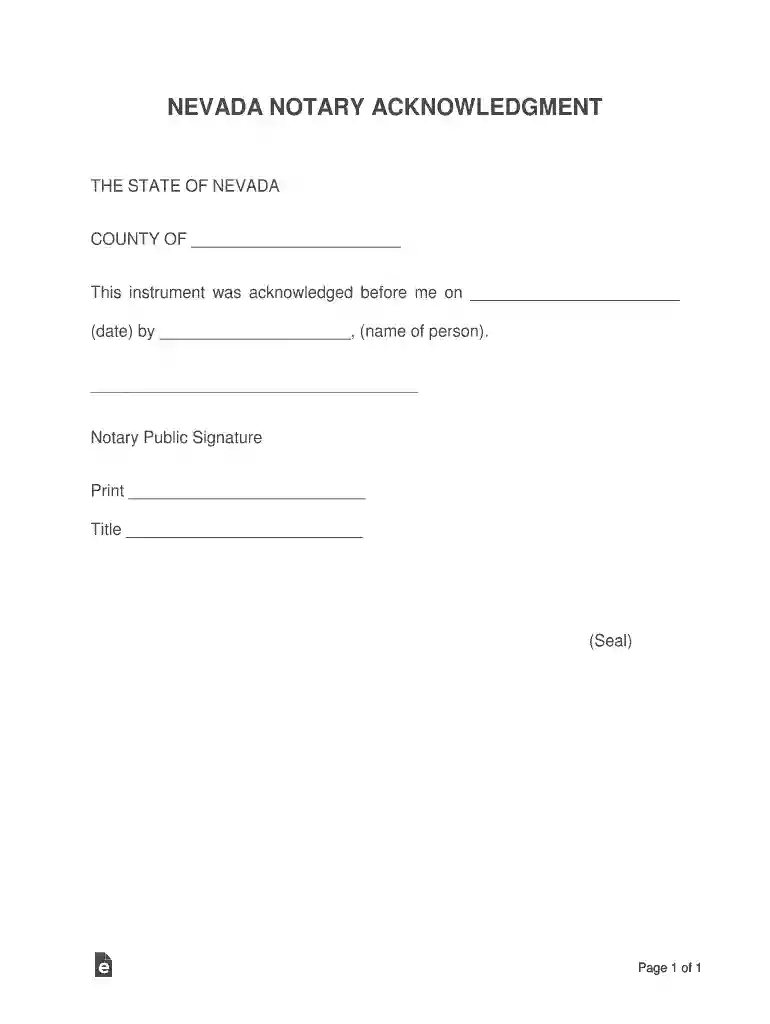
Sample Documents - Notaries refer to template forms or examples used by notaries public to verify the identity and intent of individuals involved in the signing of important documents. These samples typically include sections for the notary's signature, seal, and a statement of acknowledgment. Notaries ensure that documents are executed correctly and lawfully, providing an essential service in various legal, financial, and governmental transactions.
Role of Notaries in Document Verification
- Identity Verification: Notaries confirm the identity of signatories using government-issued identification to prevent fraud.
- Authentication: Notaries authenticate documents by signing their name and affixing their official seal.
- Witness: They serve as an impartial witness to the signing of documents, confirming that signatories understand and are willing participants.
- Records Maintenance: Notaries often maintain a log or journal entry of their notarial acts for future reference and legal protection.
How to Use Sample Documents - Notaries
Using sample documents can streamline the notarial process by providing a clear structure and format to follow. Here's how you can effectively utilize these documents:
- Select the Appropriate Sample: Choose a sample that aligns with the specific document type and legal requirements of your transaction.
- Customize the Form Fields: Fill in necessary details such as names, dates, and locations unique to your transaction.
- Gather Required Identification: Ensure that everyone involved in the transaction has valid, government-issued identification.
- Perform Notarial Acts: Follow the prescribed notarial acts such as witnessing the signing, filling out the acknowledgment section, and using the notary seal.
- Record the Transaction: Enter details of the notarial act into your notary journal, including the type of document, parties involved, and any identification numbers.
Steps to Complete Sample Documents - Notaries
Completing a notary sample document involves several key steps to ensure compliance and validity.
Step-by-Step Process
- Preparation: Gather all required documents and identification prior to the meeting with the notary.
- Verification: Present the documents and identification for the notary to verify the signatories' identities.
- Signing and Notarization:
- Sign the document in the presence of the notary to avoid issues of authenticity.
- The notary will complete the acknowledgment section, sign their name, and apply their official seal.
- Journal Entry: The notary logs the transaction details in their official journal for record-keeping purposes.
Common Mistakes to Avoid
- Incomplete Identification: Ensure identification documents are current and valid.
- Incorrect Information: Double-check all details on the forms for accuracy.
- Missing Signatures: All parties need to sign in the presence of the notary.
Important Terms Related to Sample Documents - Notaries
Understanding key terminology is crucial when working with notary documents.
Glossary of Terms
- Acknowledgment: A formal declaration before a notary that the signing of a document was voluntary and the identity of the signer is confirmed.
- Jurisdiction: The geographic area or scope of authority a notary is allowed to operate within — usually limited to a particular state or country.
- Seal or Stamp: The notary's official mark that symbolizes the authenticity of the notarized document.
- Affiant: The person who makes a sworn statement in writing for the purposes of the document.
- Oath or Affirmation: A solemn promise to tell the truth or confirm the identity of the signer, often required for certain legal documents.
Legal Use of Sample Documents - Notaries
Notarized documents serve various legal purposes and have specific uses. Notaries must adhere to legal standards and practices when using these samples.
Legal Context
- Contracts and Agreements: Notaries often notarize contracts to ensure they are legally binding and acknowledged by the parties involved.
- Real Estate Transactions: Deeds, mortgages, and leases frequently require notarization.
- Estate Planning: Wills, trusts, and power of attorney documents often need notarization to be legally valid.
Compliance and Legal Standards
Notaries are obligated to comply with state laws and notary public acts, which outline their duties and the forms they may use. They must ensure:
- Identity verifications follow legal standards.
- Notarial acts are performed without bias or conflict of interest.
- Accurate record-keeping and maintenance of a notary journal.
State-Specific Rules for Sample Documents - Notaries
Rules and requirements for notary documents can vary by state, affecting how sample documents are used and executed.
Key State Variations
- Seal Requirements: Some states require notaries to use an embosser in addition to the ink seal; others do not.
- Acknowledgment Statements: The text of acknowledgment statements may differ according to state law.
- Record-Keeping: Some states mandate keeping notary journals, while others do not require it.
Adapting to Different State Requirements
- Ensure familiarity with the notary laws in your state.
- Use state-specific templates for documents, when available.
- Verify that any additional certification or bonding requirements are met.
By understanding and effectively utilizing sample documents for notaries, individuals and businesses can ensure their transactions are handled legally and in compliance with all relevant laws.