



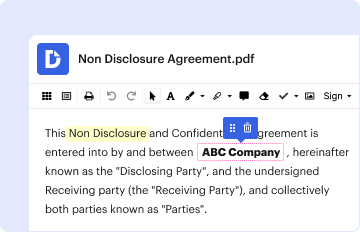
01. Edit your wisconsin sb form online
Type text, add images, blackout confidential details, add comments, highlights and more.

Type text, add images, blackout confidential details, add comments, highlights and more.
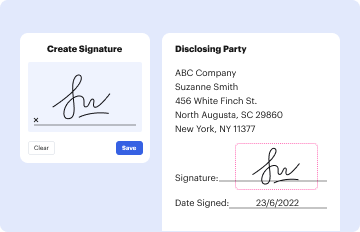
Draw your signature, type it, upload its image, or use your mobile device as a signature pad.

Send schedule sb form via email, link, or fax. You can also download it, export it or print it out.
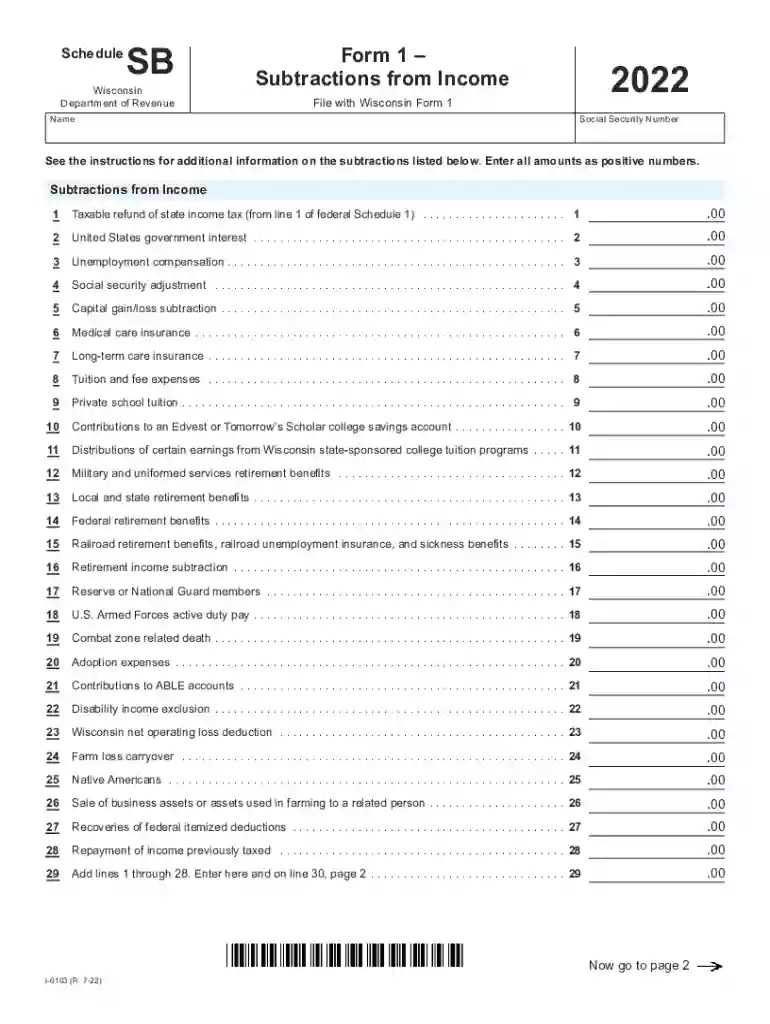
Schedule SB - Form 1, also known as "Subtractions from Income (fillable) for 2022," is a critical component of the Wisconsin Department of Revenue's tax documentation. Its primary aim is to provide taxpayers with a structured way to report specific income subtractions applicable for the tax year. This form is essential for accurately calculating the adjusted gross income by accounting for certain types of income that can be legally excluded from taxable income.
Gather Necessary Documentation:
Identify Eligible Subtractions:
Accurately Enter Subtraction Amounts:
Complete the Form:
Review and Submit:
The use of Schedule SB is governed by specific guidelines to ensure compliance with the legal statutes of the Wisconsin Department of Revenue. All figures reported should be supported by documentation in case of an audit. Misrepresentation or errors could potentially lead to penalties or additional scrutiny from tax authorities.
Eligible users of Schedule SB typically include Wisconsin residents who have received specific types of income that the state allows for subtraction. This can range from retirees with pension income to individuals who have received certain government interests and refunds.


While specific to Wisconsin, some rules are also influenced by broader IRS regulations regarding taxable income and allowable deductions. Taxpayers should be aware of both state and federal guidelines to ensure compliance.

An employed taxpayer who also receives social security and holds federal bonds would use the Schedule SB to report subtractable income, ensuring their taxable income reflects only the net countable income.
In conclusion, the 2022 I-0103 Schedule SB - Form 1 is an invaluable tool for taxpayers in Wisconsin, facilitating accurate reporting of subtractions from income to achieve tax compliance efficiently.
We've got more versions of the wisconsin sb form form. Select the right wisconsin sb form version from the list and start editing it straight away!
At DocHub, your data security is our priority. We follow HIPAA, SOC2, GDPR, and other standards, so you can work on your documents with confidence.


