



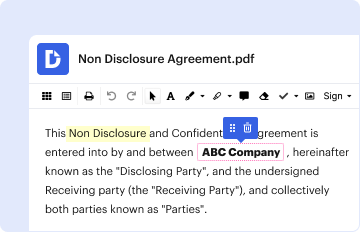
01. Edit your 2022 1099 div online
Type text, add images, blackout confidential details, add comments, highlights and more.

Type text, add images, blackout confidential details, add comments, highlights and more.
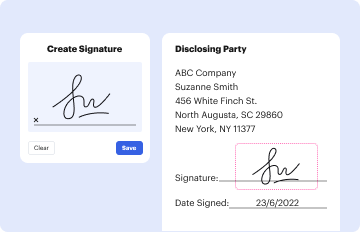
Draw your signature, type it, upload its image, or use your mobile device as a signature pad.

Send 2022 form 1099 div via email, link, or fax. You can also download it, export it or print it out.
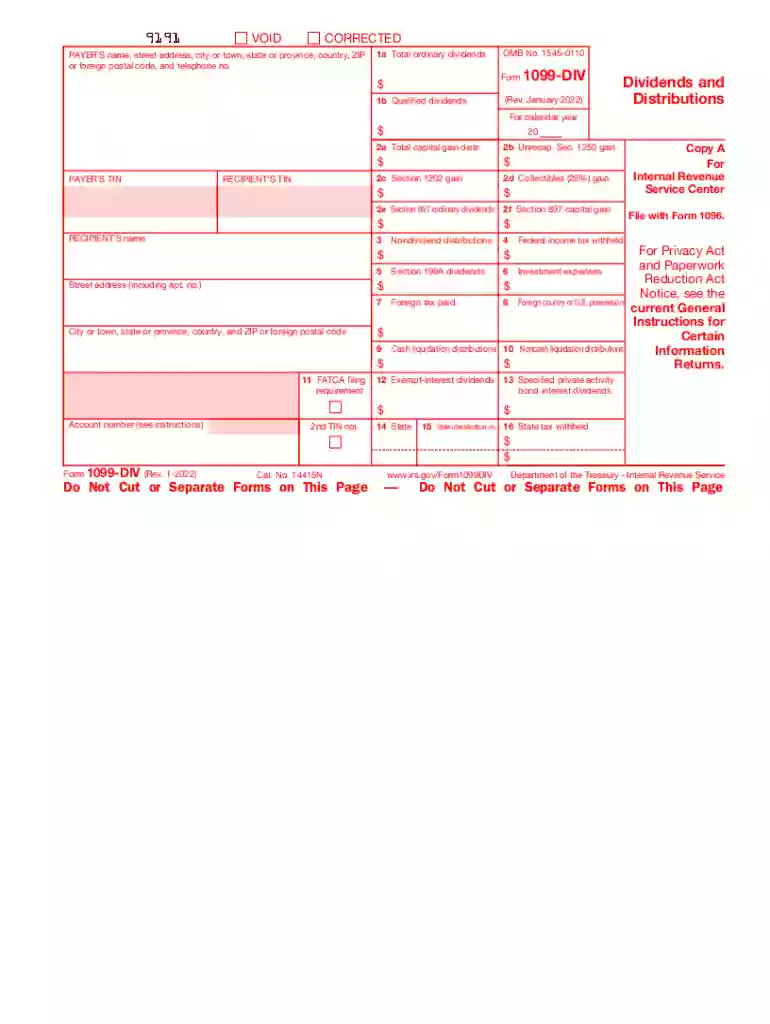
Form 1099-DIV (Rev. January 2022) is used by the IRS to report dividends and distributions received by investors during the tax year. This informational document is crucial for taxpayers as it summarizes income from dividends, including ordinary dividends, qualified dividends that might qualify for lower tax rates, and capital gain distributions. Investors often receive this form from financial institutions where they hold investment accounts, helping them accurately report and pay taxes on income earned from these sources.
Investors typically receive the Form 1099-DIV from banks, brokerage firms, or mutual fund companies. These issuers are responsible for sending the form to both taxpayers and the IRS by January 31 each year. For those who do not receive the form by this date, they should contact the issuer directly. Taxpayers can also access their forms electronically if their financial institution supports this option, which is increasingly common in modern digital services.
Form 1099-DIV is commonly used by individuals and entities receiving dividend payments from stocks or mutual funds. This includes various taxpayer scenarios, such as:
Before issuing Form 1099-DIV, payers must confirm compliance with IRS standards:
Issuers must ensure forms are accurate and adhere to IRS regulations. Taxpayers, on the other hand, are required to report all income as reflected in the Form 1099-DIV on their tax returns to avoid discrepancies and potential audits. The form serves as a disclosure document, ensuring all income related to dividends is transparent and reported for tax purposes.
Failure to file accurate Form 1099-DIV by the deadline can result in steep IRS penalties for both the issuer and the recipient. Penalties increase based on delay length and whether omissions were intentional. It’s crucial to ensure form validity and completeness to avoid fines or audit-triggering inaccuracies.
We've got more versions of the 2022 1099 div form. Select the right 2022 1099 div version from the list and start editing it straight away!
| Versions | Form popularity | Fillable & printable |
|---|---|---|
| 2024 | 4.6 Satisfied (33 Votes) | |
| 2022 | 4.1 Satisfied (42 Votes) | |
| 2021 | 4.8 Satisfied (68 Votes) | |
| 2020 | 4.2 Satisfied (95 Votes) | |
| 2019 | 4.4 Satisfied (737 Votes) | |
| 2018 | 4.3 Satisfied (130 Votes) | |
| 2017 | 4.3 Satisfied (61 Votes) | |
| 2016 | 4.4 Satisfied (496 Votes) | |
| 2015 | 4 Satisfied (23 Votes) | |
| 2014 | 4.3 Satisfied (65 Votes) | |
| 2013 | 4.2 Satisfied (31 Votes) | |
| 2012 | 4.3 Satisfied (40 Votes) | |
| 2011 | 4 Satisfied (50 Votes) | |
| 2010 | 4 Satisfied (27 Votes) | |
| 2009 | 4.3 Satisfied (63 Votes) |
At DocHub, your data security is our priority. We follow HIPAA, SOC2, GDPR, and other standards, so you can work on your documents with confidence.
Dec 14, 2022 Form 1099-DIV, Dividends and Distributions Users can enter Form(s) 1099 data for multiple recipients and issuers. creation of downloadable
Shows exempt-interest dividends subject to the alternative minimum tax. This amount is included in box 12. See the Instructions for Form 6251. Boxes 1416.Read more


