





Definition and Purpose of Form 540 2EZ 2017
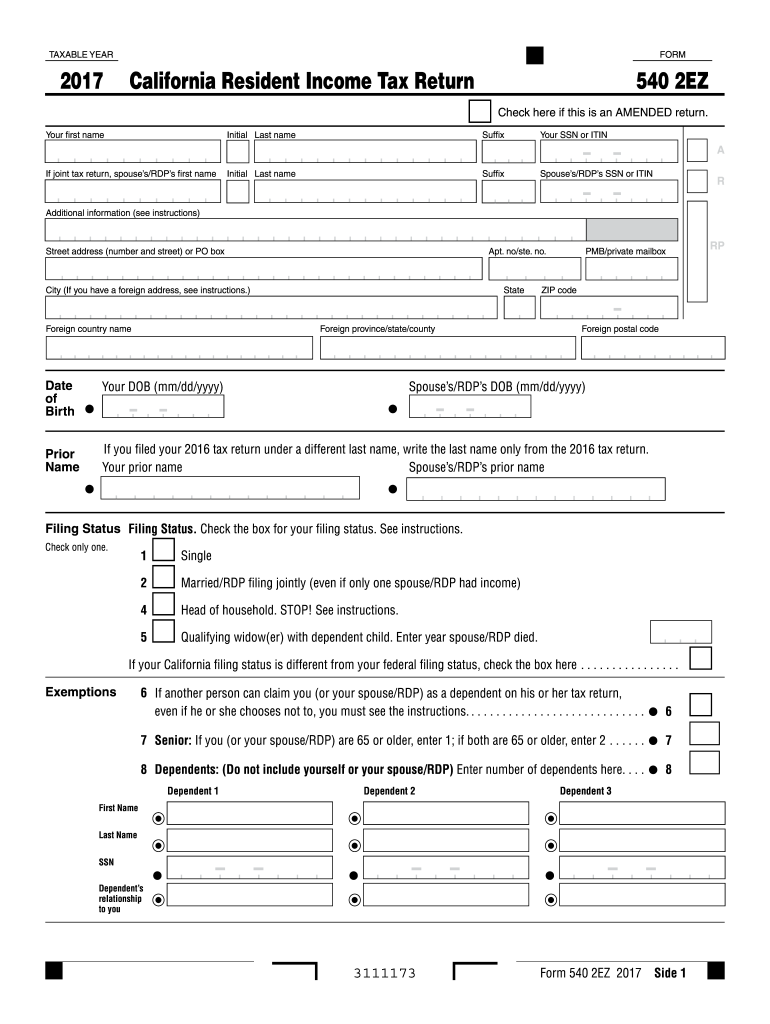
Form 540 2EZ for the year 2017 is a simplified tax form used by California residents to file their state income taxes. Designed to streamline the tax-filing process, this form is intended for individuals with straightforward financial situations. It includes sections for personal information, filing status, and taxable income, and allows taxpayers to calculate their state tax obligations or refunds efficiently. The form 540 2EZ is specifically tailored for easy completion, eliminating some complexity found in more comprehensive forms like Form 540 or Form 540NR.
Key Elements of Form 540 2EZ 2017
- Personal Information: Essential details such as name, address, and Social Security Number.
- Filing Status: Choose from options like single, married filing jointly, or head of household.
- Income and Deductions: Report typified sources of income including wages, salaries, and social security benefits.
- Credits and Voluntary Contributions: Apply for applicable credits and make optional donations.
- Tax Calculation: Summarize your taxable income to determine your exact tax liability or refund.
Steps to Complete Form 540 2EZ 2017
- Provide Personal and Filing Information: Enter basic personal details and select the appropriate filing status.
- Report Income Sources: List your wages, salaries, and any additional income.
- Claim Exemptions and Dependents: Identify possible exemptions to potentially reduce taxable income.
- Calculate Tax Liability or Refund: Use the income figures and standard allowances to finish the calculation.
- Review and Sign the Form: Double-check all entries for accuracies and complete with a dated signature.
Required Documents
- W-2 Forms: To confirm wage and withholding information.
- 1099 Forms: Relevant for reporting additional income such as interest.
- Proof of Residency: For confirming you are a California resident.
- Previous Year’s Return: Optional, for reference when needed.
Eligibility Criteria and Use Cases

Who Typically Uses Form 540 2EZ 2017?
- Low-Income Taxpayers: Designed for individuals with lower annual gross incomes.
- Simple Tax Situations: Suitable for residents without complex financial transactions like large investments.
- First-Time Filers: Particularly useful for students or young taxpayers newly entering the workforce.
Taxpayer Scenarios
- Self-Employed Individuals: Not eligible if they have large deductibles or complex schedules.
- Students: Often use this form for its simplicity when they have basic income from part-time jobs.
- Retirees with Fixed Income: When their income is strictly from pensions or social security benefits.

How to Obtain the Form 540 2EZ 2017
- Download Online: Freely available through the California Franchise Tax Board’s website.
- Local Libraries: Often stock physical forms for community use during tax season.
- Tax Assistance Centers: Pick up at IRS volunteer centers providing in-person assistance.
Digital vs. Paper Version
Considerations for Form Submission
- Online Filing: Typically faster processing and immediate confirmation of receipt.
- Paper Filing: Offers a traditional filing approach for those who prefer tangible documentation.
- Hybrid Submissions: Utilize downloadable forms to complete digitally and submit physically when necessary.
State-Specific Rules for Form 540 2EZ 2017
California’s state tax laws apply to this form, meaning residents must comply with specific standards for income declaration and deductions unique to the state. Verification of residency is crucial, and individuals should be aware of any additional state-mandated contributions or credits exclusive to California.
Penalties for Non-Compliance
Filing inaccuracies or late submissions can result in penalties or fines. California requires timely filing, and taxes due must be paid by the specified deadline to avoid additional charges. Misrepresentation or failure to disclose required information can also incur penalties. It is recommended to double-check all entries and utilize available resources, such as official guidelines or tax consultants, to mitigate potential errors.
Software Compatibility
- TurboTax and QuickBooks: Compatible, ensuring smooth integration for electronic preparation and filing.
- Other Tax Software: Many popular tax software programs have included California support for seamless interaction with Form 540 2EZ 2017.
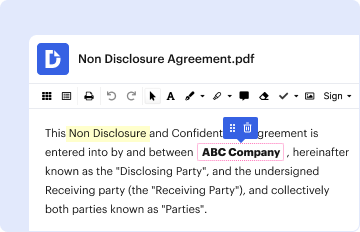
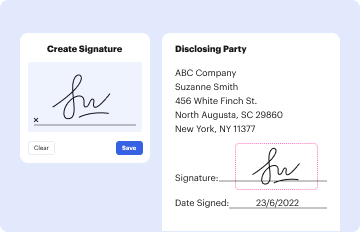
- DocHub Integration: Users can edit, sign, and manage their Form 540 2EZ 2017 directly from cloud storage, enhancing workflow efficiency.