



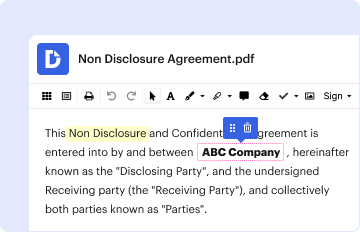
01. Edit your form online
Type text, add images, blackout confidential details, add comments, highlights and more.

Type text, add images, blackout confidential details, add comments, highlights and more.
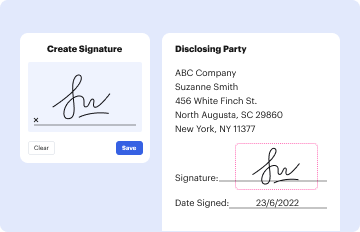
Draw your signature, type it, upload its image, or use your mobile device as a signature pad.

Send it via email, link, or fax. You can also download it, export it or print it out.
The "When To File 5" form is an essential document that likely pertains to specific filing requirements either for tax purposes or legal obligations within a U.S.-centric context. Its primary function is to guide individuals or entities on the appropriate timelines for filing a particular set of documents. This form could encompass various filing scenarios, from annual tax returns to specific business compliance needs. Understanding the form's intent and application is crucial for ensuring adherence to required deadlines and avoiding potential penalties.
Completing the "When To File 5" involves several key steps to ensure accuracy and compliance.
Gather Required Information: Begin by collecting all necessary personal or business information substantiated by supporting documents. This includes identification numbers, previous filing details, and relevant financial or operational data.
Review Filing Requirements: Carefully examine the form's instructions to understand the specific details required for your filing category.
Fill Out the Form: Use either digital tools or print the form to fill it out. Be meticulous in entering correct information to prevent errors or delays.
Double-Check Entries: Ensure that all fields are accurately completed and that there are no missing data points or inconsistencies.
Submit the Form: Depending on available submission methods (online, by mail, or in person), ensure you adhere to the specific instructions for each mode to confirm receipt by the appropriate agency.
The "When To File 5" form is typically utilized by individuals or businesses involved in regulated activities that require timely documentation. It may include:
Individuals: Especially those with unique filing needs such as self-employed professionals, retirees managing specific distributions, or students with specific financial aid reporting requirements.
Businesses: Entities such as limited liability companies (LLCs), corporations, or partnerships adhering to annual reporting obligations or tax deadlines.


Understanding the critical dates associated with the "When To File 5" is vital for compliance and avoiding penalties:
Annual Deadlines: These vary based on the type of filer - individual or entity - and the specific nature of the filings. For instance, tax returns typically follow the April 15 deadline, whereas specific business filings may occur on different fiscal schedules.
Extensions: Information on how to file for extensions should deadlines become unattainable, which usually requires additional forms or requests.
Completing the "When To File 5" necessitates preparing several supporting documents:
Identification: Official IDs or business registration details to verify the filer’s identity.
Financial Records: Relevant tax forms or financial statements that provide the necessary data for accurate filing.
Previous Filings: Copies of previous year's forms may be required, especially if there are amendments or carry-overs.
The "When To File 5" offers versatile submission options to accommodate different needs:
Digital Submission: Most efficient and often preferred method. Ensures quicker processing and immediate confirmation of receipt.
Mail-in Option: Suitable for those who opt for traditional methods or lack internet access, though it requires more lead time for delivery.
In-Person Filing: Generally provides personal verification of submission but might be limited to specific types of filings or geographic regions.
Failing to adhere to the "When To File 5" guidelines can lead to significant penalties:
Late Fees: Monetary charges applied for missed deadlines, which can accrue interest over time.
Legal Repercussions: Depending on the nature and severity of non-compliance, potential legal action, such as audits or investigations, may follow.
If the "When To File 5" pertains to federal requirements, aligning with IRS guidelines ensures legal compliance:
Current Rules: Regularly updated regulations that dictate specific filing requirements for various income, deductions, or credits.
Compliance Checks: Documentation and record-keeping practices that streamline the verification process, thus minimizing audit risks.
Practical scenarios illustrate the diverse applications of the "When To File 5":
Case Studies: An individual turning freelance might use the form to adjust from standard employment tax filing to self-employment deductions.
Business Scenarios: A growing business transitioning from a sole proprietorship to an LLC may need to navigate new compliance deadlines and documentation requirements.
Regional Variations: Examples might also reflect state-specific adaptations of this form, where unique local regulations impact standard filing processes.
By ensuring comprehensive understanding and execution of each block within the "When To File 5", users can maintain compliance and secure their financial or legal standing effectively.
At DocHub, your data security is our priority. We follow HIPAA, SOC2, GDPR, and other standards, so you can work on your documents with confidence.
May 7, 2026 If you are due a refund for withholding or estimated taxes, you must file your return to claim it within 3 years of the return due date. TheRead more
(1) The taxable year of Corporation X, a fiscal-year taxpayer, ends on September 30. During the calendar year ending December 31, 2023, X was required to fileRead more
60815 tax return will be allowed an auto- matic 6-month extension of time to file the return after the date prescribed for filing the return


