





Definition and Purpose of Form 5305-SA
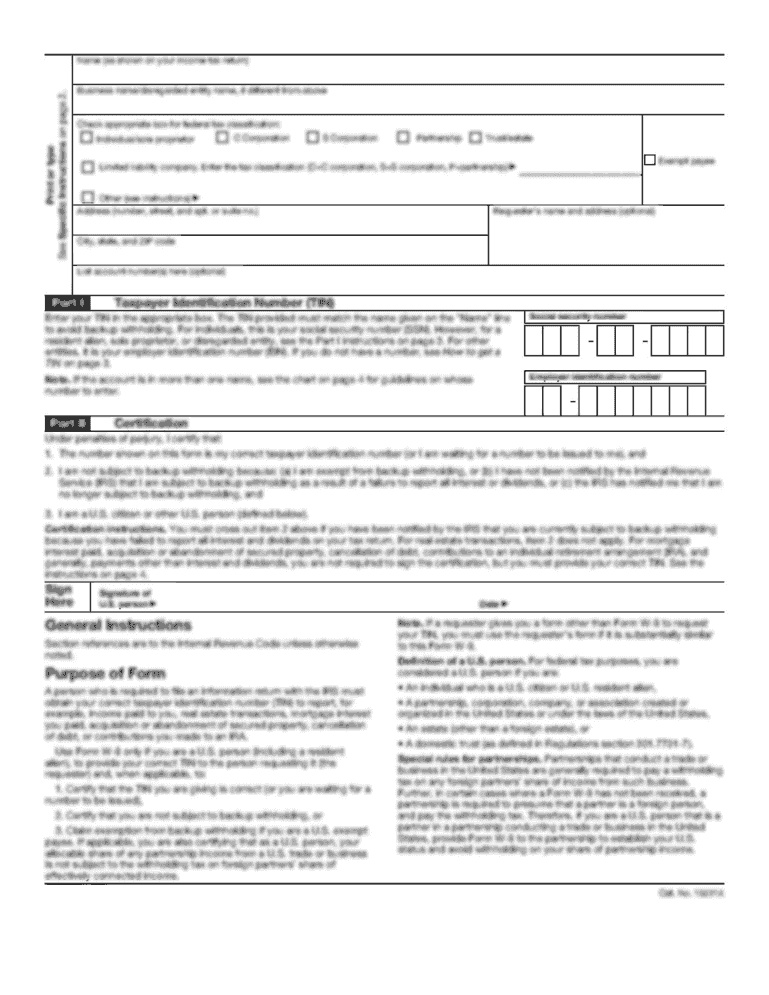
Form 5305-SA serves as a model custodial account agreement under the Internal Revenue Code, specifically designed for establishing a SIMPLE Individual Retirement Account (IRA). This form provides the framework for the terms and conditions governing the account, such as contributions, distributions, and the roles of both the participant and the custodian. A SIMPLE IRA is a retirement plan that allows employers to contribute to traditional IRAs set up for employees. The 5305-SA form is crucial for ensuring compliance with IRS regulations, making clear that contributions to the account can only be made by the participant's employer. This form does not require filing with the IRS, but it is essential to retain it to comply with IRS guidelines and ensure proper administration of the retirement account.
Who Typically Uses the 5305-SA
Typically, small business employers across various industries use Form 5305-SA to establish SIMPLE IRAs for their employees. These businesses often have fewer than one hundred employees and choose SIMPLE IRAs due to their simplicity and cost-effectiveness compared to other retirement plans. Employees benefit from participating as they can save for retirement on a tax-deferred basis. Self-employed individuals may also utilize this form to set up a SIMPLE IRA, thereby securing a retirement savings structure that aligns with their income pattern. The form is frequently used by companies seeking a straightforward approach to offer retirement benefits, allowing them to enhance their employee benefits package with minimal administrative burden.

Steps to Complete Form 5305-SA
Completing Form 5305-SA involves several detailed steps to ensure accuracy and compliance.
- Basic Information: Begin by entering the employer's name, address, and EIN. The employee's name, address, and social security number are also required.
- Custodian Details: Fill in the information regarding the financial institution serving as the custodian of the account, including their name and address.
- Agreement Adoption: Both employee and employer must review the terms outlined in the form. The employee should understand the contribution limits and schedules set by the employer.
- Signatures: The form must be signed by both the participant and an authorized custodian representative, signifying mutual agreement to the terms and conditions.
- Record-Keeping: Retain copies of the completed form for both the employer and the employee for future reference and compliance.
The process underscores the importance of detailed attention to each section, as inaccuracies could lead to compliance issues or misadministration.
Important Terms Related to Form 5305-SA
Understanding the key terminology used in Form 5305-SA is essential for all parties involved.
- SIMPLE IRA: A Savings Incentive Match Plan for Employees Individual Retirement Account allows contributions to be made by the employer and is typically used by small businesses.
- Custodian: This is a bank or financial institution responsible for holding and managing the assets within the retirement account.
- Contribution Limit: The maximum amount an employee and employer can jointly contribute to the SIMPLE IRA annually, as determined by the IRS.
- Participant: The employee opting into the SIMPLE IRA plan and for whom the account is established.
- Distribution: Refers to the withdrawal of funds from the retirement account, subject to specific conditions, especially after reaching retirement age.
Familiarity with these terms ensures a clear understanding of the form's provisions and assists in efficient administration.
Key Elements of the 5305-SA
Form 5305-SA consists of several critical components, each playing a vital role in establishing and maintaining a SIMPLE IRA.
- Contribution Schedule: Specifies when contributions will be made to the participant's account, typically on each payroll date.
- Employer Matching: Details the employer's contribution arrangement, including matching contributions or a fixed percentage.
- Vesting Schedule: Unlike some retirement accounts, SIMPLE IRAs do not typically have a vesting schedule; contributions are immediately vested.
- Withdrawal Conditions: Outlines the conditions under which funds can be withdrawn, including age-related distributions and penalties for early withdrawal.
- Amendments Clause: Provides the right of the employer or custodian to amend the terms of the agreement in accordance with IRS guidelines.
Understanding these elements can empower businesses and employees to utilize the form effectively while adhering to regulatory requirements.
IRS Guidelines for Form 5305-SA
The IRS provides specific guidelines regarding the use and administration of Form 5305-SA. To comply with these guidelines, employers must ensure contributions do not exceed annual limits set by the IRS. Employers should also keep records of contributions and provide employees with account statements. If the employee leaves the company, they should be informed about rollover options or how to maintain their SIMPLE IRA independently. Moreover, failure to adhere to these guidelines can result in the disqualification of the SIMPLE IRA, which may lead to tax penalties. Thus, maintaining thorough knowledge and compliance with IRS rules is critical in the management of Form 5305-SA.
Penalties for Non-Compliance with Form 5305-SA
Non-compliance with Form 5305-SA provisions and IRS regulations can result in significant penalties. Employers failing to adhere to contribution rules can face penalties, and the SIMPLE IRA may be disqualified. Disqualification could lead to immediate taxation of the amounts in the account. Early withdrawals, made before reaching the age of 59½ without qualifying exceptions, incur a penalty fee of 25% if withdrawn within the first two years of participation; afterward, the penalty decreases to 10%. Therefore, understanding and complying with these guidelines is vital for both the employer and employee to avoid financial penalties.
Form Submission Methods for 5305-SA
Typically, Form 5305-SA does not require submission to the IRS, but it should be completed and maintained with other business records.
- Record Retention: Securely store completed forms to ensure accessibility during audits or for compliance verification.
- Digital Storage: Consider maintaining electronic copies of the form within a secure document management system for ease of retrieval and disaster recovery.
- Sharing with Participants: Provide employees and relevant parties with copies for their records, ensuring full transparency of terms and conditions.
These practices underscore the importance of effective document management and secure storage to ensure compliance and facilitate easy access when needed.
Digital vs. Paper Version of Form 5305-SA
Using a digital version versus a paper version of Form 5305-SA presents distinct advantages and challenges.
-
Digital Version:
- Accessibility: Easily accessible from multiple devices and locations, reducing the need for physical storage space.
- Security: Documents can be secured with passwords and encryption, offering enhanced protection.
- Efficiency: The digital signing process can streamline the completion and execution of the form.
-
Paper Version:
- Physical Signatures: Preferred by some users due to the tangible evidence of agreement.
- Storage Challenges: Requires physical storage space, with risks of loss or damage over time.
- Traditional Handling: Some organizations may adhere to traditional paper handling for compliance or preference.
Both versions have their unique benefits, and organizations may choose based on their technological capabilities, storage preferences, and workflow needs.