





Definition & Meaning
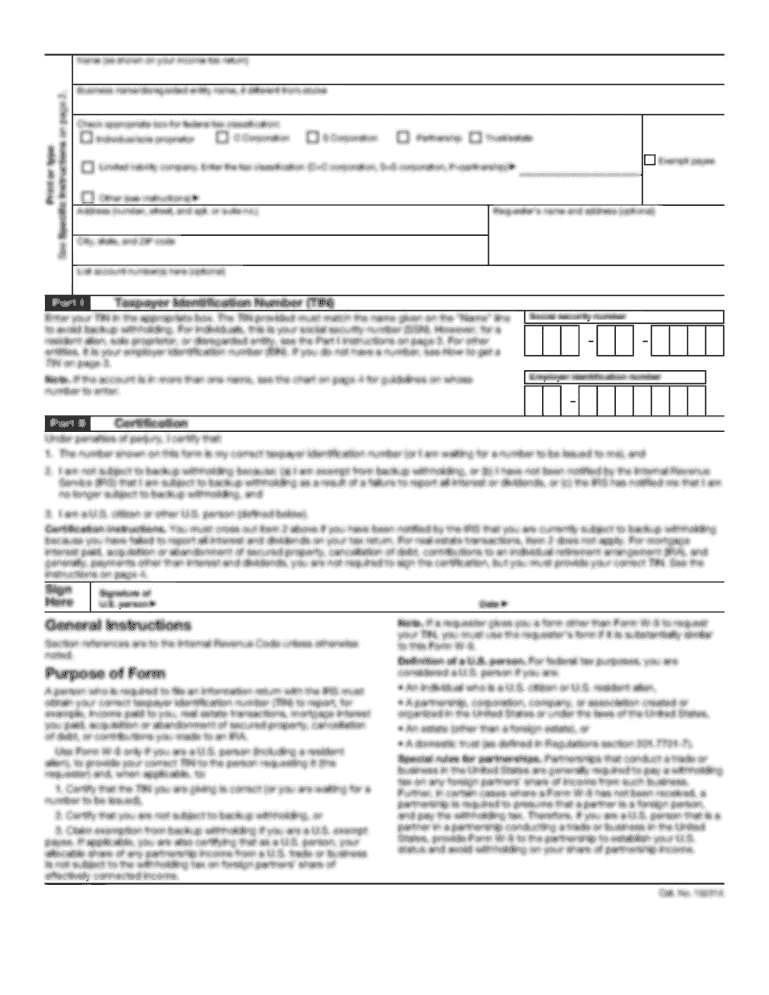
The term "DO NOT MAIL - Maryland Tax Forms and Instructions" refers to specific tax forms used by residents and entities within Maryland that are submitted electronically rather than through traditional mailing methods. This instruction emphasizes the electronic filing process, highlighting the preferred method for the State of Maryland's Department of Revenue to receive tax documents in order to streamline processing and reduce logistical delays associated with mailing.
How to Use the DO NOT MAIL - Maryland Tax Forms and Instructions
Using these instructions is essential for ensuring compliance with Maryland's tax submission requirements. Taxpayers should prepare their electronic tax returns using approved software or services that are compatible with Maryland’s e-file system.
- Prepare your tax documents in a compliant digital format.
- Log into Maryland’s e-filing platform or use compatible third-party tax preparation software.
- Carefully enter all required information and verify the accuracy of the data.
- Follow on-screen prompts to complete the e-filing process.
- Confirm submission and save the confirmation receipt as proof of filing.
Steps to Complete the DO NOT MAIL - Maryland Tax Forms and Instructions
Completing these forms requires a systematic approach to ensure all necessary information is accurately provided.
- Gather all required documentation, such as W-2s, 1099s, and relevant income or deduction records.
- Input personal information and tax ID numbers exactly as they appear on official documents.
- Calculate your taxable income by accounting for deductions, credits, and any exemptions applicable.
- Review all populated forms for accuracy, particularly financial entries and personal details.
- Electronically sign the tax form using Maryland’s approved e-signature process.
- Submit the complete file through the state’s authorized tax filing service.
Why You Should DO NOT MAIL - Maryland Tax Forms and Instructions
The primary reason for not mailing these forms is the efficiency and security of electronic filing. E-filing reduces the likelihood of documents getting lost, misplaced, or delayed in transit.
- Electronic submissions are processed faster, resulting in quicker refunds or acknowledgments.
- There is an enhanced level of data security, protecting personal sensitive information more reliably than through the postal system.
- It also supports environmental sustainability by reducing paper usage and postal service dependency.
Who Typically Uses the DO NOT MAIL - Maryland Tax Forms and Instructions
Individuals and businesses in Maryland that are required to file state taxes typically use these electronic forms and instructions. This includes:
- Maryland residents with taxable income.
- Non-residents earning income from Maryland-based sources.
- Businesses operating within the state, such as LLCs, Corporations, and Partnerships.
- Filers who are eligible for state-specific credits or deductions.


State-Specific Rules for the DO NOT MAIL - Maryland Tax Forms and Instructions
Maryland has several rules that impact how these forms are to be used:
- Certain thresholds apply, such as income levels, which determine filing requirements even for non-residents.
- Maryland-specific credits, such as the Earned Income Tax Credit or Child and Dependent Care Credit, have distinct guidelines.
- Deadlines for e-filing remain consistent statewide, typically paralleling federal deadline extensions.
Important Terms Related to the DO NOT MAIL - Maryland Tax Forms and Instructions
Understanding the following terms enhances comprehension and proper use of these forms:
- E-File: The electronic transmission of tax forms to the Maryland Department of Revenue.
- Taxpayer ID: An identification number required for both residents and businesses to file taxes.
- Signature Authorization: A component, such as the electronic PIN, required for validating e-filed documents.
- Withholding: Income tax withheld from wages and reported on W-2 forms, crucial for accurate filing.
Filing Deadlines / Important Dates
Adhering to deadlines ensures compliance and avoids potential penalties:
- April 15: The standard due date for filing individual state tax returns. If it falls on a weekend or holiday, the deadline shifts to the next business day.
- October 15: Last date for filing the extended return electronically for those who have obtained an extension.
- Quarterly Dates: For business filings or estimated tax payments.
Form Variants
Different versions of similar forms may exist, catering to distinct filing needs:
- Form EL101: Specific to Electronic Return Originators.
- Form 502: For individual residents versus non-residents or part-year residents who utilize Form 505.
Choosing the correct form variant is essential for meeting legal filing obligations and minimizing processing errors.