
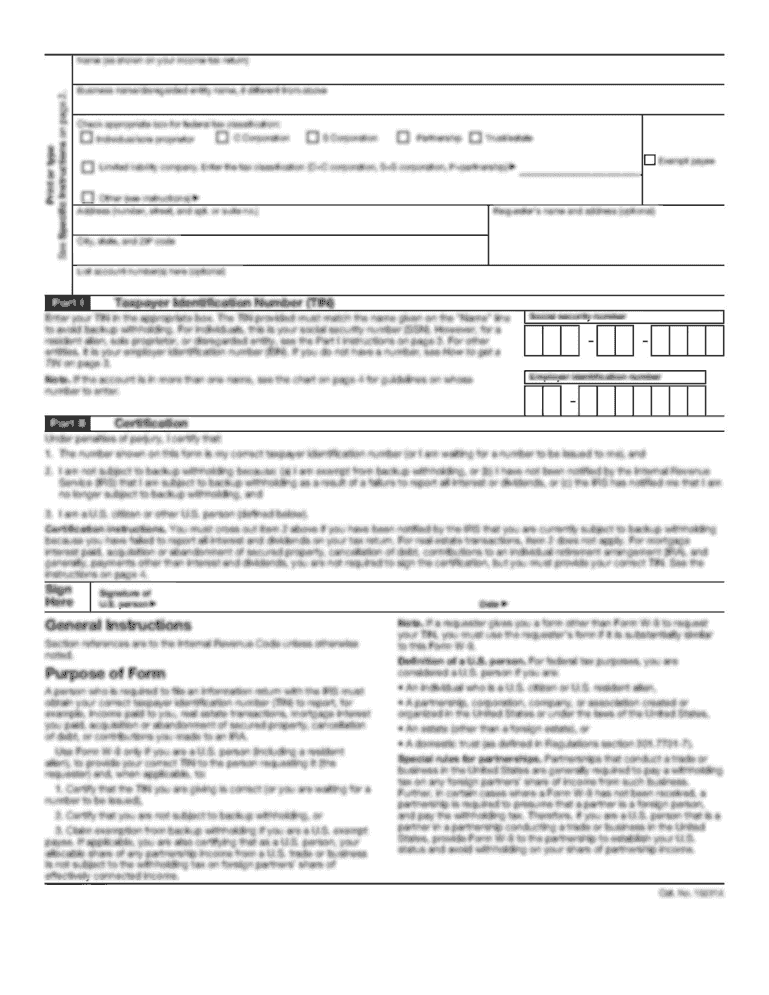







Definition and Purpose of the 2016 Form 1099-CAP
The 2016 Form 1099-CAP is issued by the Internal Revenue Service (IRS) to report changes in corporate control and capital structure. It provides vital information about the date of sale or exchange, the aggregate amount received, the number of shares exchanged, and classes of stock involved. This form is crucial for shareholders who need to declare any gains derived from stock exchanges due to corporate restructuring.
Details Captured in the Form
- Date of Sale or Exchange: Specifies when the transaction occurred.
- Aggregate Amount Received: Represents the total monetary value received from the exchange.
- Number of Shares Exchanged: Indicates the quantity of shares swapped during the event.
- Classes of Stock Exchanged: Details the specific types or classes of stock involved.
Given these particulars, Form 1099-CAP helps ensure transparency during events such as mergers or acquisitions, where corporate equity interests are transferred.
How to Use the 2016 Form 1099-CAP
Completing this form involves adhering to precise IRS instructions. It requires identifying the reportable events and accurately capturing shareholder data.
- Identify Reportable Events: Assess if there's been a change in corporate control or structure that necessitates reporting.
- Accurate Capturing of Data: Carefully note down all transactions associated with the stock exchange, ensuring figures match corporate records.
- Cross-Verification: Verify entries against corporate documentation to prevent discrepancies.
Using Form 1099-CAP facilitates compliance with IRS regulations, helping both corporations and shareholders maintain transparent financial reporting.
Steps to Complete the 2016 Form 1099-CAP
Filling out the form requires attention to detail to avoid complications.
Step-by-Step Process
- Gather Required Information: Collect all transaction records related to the corporate event.
- Fill in Identification Details: List the corporation’s name, address, and taxpayer identifications.
- Detail the Exchange: Clearly outline the details of the stock exchange, including monetary figures and dates.
- Review Entries: Double-check each field for accuracy before submission.
Each step must be completed accurately to ensure the IRS accepts the form without requiring further clarifications.
IRS Guidelines for the 2016 Form 1099-CAP
Following IRS guidance helps prevent errors that could lead to penalties or audits. These guidelines emphasize the need for:
- Timely Filing: Ensure the form is submitted within the stipulated IRS deadlines.
- Correct Information: Maintain consistency with reported corporate financial statements.
- Data Security: Use secure methods for retaining and transmitting shareholder information to comply with privacy regulations.
Adhering to these guidelines enables companies to meet regulatory requirements efficiently.
Key Elements of the 2016 Form 1099-CAP
Several critical components must be thoroughly understood:
- Shareholder Reporting: Shares involved in the exchange and their value must be clearly identified.
- Transaction Documentation: All exchanges and subsequent value must align with financial records.
- Record Keeping: Maintain comprehensive records supporting the information disclosed on the form for future reference by tax authorities or corporate auditors.
Understanding these elements ensures precise completion and filing of the form.
Filing Deadlines and Important Dates
Timely submission is imperative to avoid penalties:
- January 31st: Form 1099-CAP must be furnished to shareholders by this date.
- February 28th: Submission to the IRS if filing paper forms.
- March 31st: Deadline for electronic submissions to the IRS.
Being aware of these deadlines helps corporations stay compliant with IRS requirements.
Digital vs. Paper Versions of Form 1099-CAP
Modern options allow for both paper and digital submissions:
- Paper Submission: Traditional method involving mailing physical copies to the IRS.
- Digital Submission: Electronic filing via IRS-approved software enhances efficiency and reduces paperwork.
Choosing the digital option can streamline sending and receiving confirmations of filing, contribute to better record-management practices, and lower mailing costs.
Penalties for Non-Compliance
Failure to comply with IRS rules surrounding the Form 1099-CAP can attract penalties, including:
- Late Filing Penalties: Charges increase the longer the delay persists, per form per day late.
- Incorrect Information Penalties: Fines for providing erroneous shareholder information, escalating with the severity of the fault.
Preventing these penalties involves diligent adherence to filing protocols and accuracy in content submission.
Software Compatibility Tips
For those opting to use software for completing and filing the form, compatibility with platforms like TurboTax or QuickBooks can be advantageous:
- TurboTax Compatibility: Ensures streamlined importation of necessary data directly from accounting software.
- QuickBooks Integration: Facilitates ease of use in transitioning corporate financial data onto the IRS form.
Choosing compatible software can significantly reduce the workload associated with preparing and submitting Form 1099-CAP.




