







Definition & Meaning
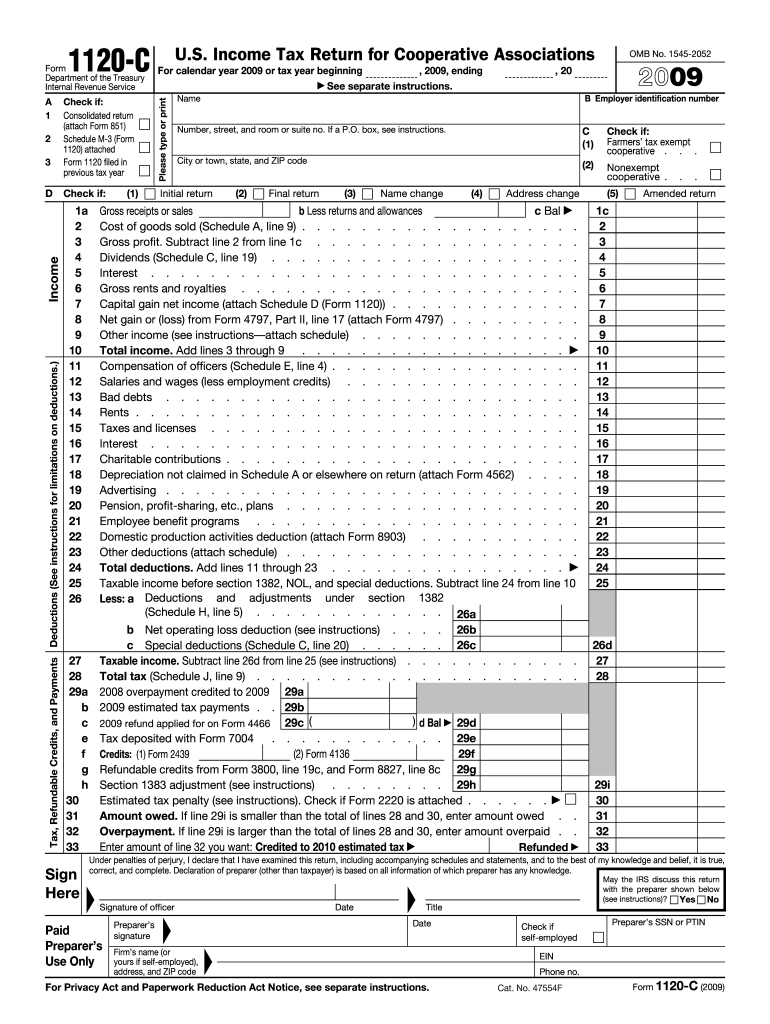
The "A 1 2 3 Tax, Refundable Credits, and Payments Deductions" form is a crucial document used to report various refundable credits and payment deductions on your tax returns. It is vital for accurately calculating the tax liability owed to the IRS. Refundable credits can potentially reduce the amount of tax owed to zero and provide a refund, while deductions help decrease taxable income, impacting the final tax bill. The form's title indicates specific attention to limitations, requiring taxpayers to follow the IRS guidelines meticulously to avoid errors and potential penalties.
Steps to Complete the Form
-
Gather Financial Documents: Assemble all necessary financial documentation, including W-2s, 1099s, receipts for eligible expenses, and prior year tax documents.
-
Read IRS Instructions: Carefully review the IRS instructions for the form to understand applicable deductions, credits, and limitations.
-
Fill Out Personal Information: Begin by completing the taxpayer's personal details section, ensuring accuracy for identification purposes.
-
Calculate Refundable Credits: Determine eligibility and calculate amounts for any refundable tax credits.
-
Enter Deductions: Report eligible payment deductions accurately, checking for any limits specified in the IRS instructions.
-
Review and Submit: Double-check for accuracy, sign the form, and submit it according to preferred submission methods.
Important Terms Related to the Form
- Refundable Credits: Tax credits that can reduce the tax owed to below zero, potentially resulting in a refund.
- Payment Deductions: Amounts subtracted from gross income that lower taxable income.
- Taxable Income: The portion of an individual's or corporation's income used to determine how much tax they owe.
- IRS: The Internal Revenue Service, responsible for tax collection and enforcement of tax laws in the United States.
IRS Guidelines
The IRS provides detailed guidelines to ensure that taxpayers correctly apply refundable credits and deductions to their tax returns. These guidelines outline eligibility requirements, computation methods, and documentation needed for compliance. Adhering to these directions helps prevent errors and avoids potential audits or penalties.
Filing Deadlines / Important Dates
Taxpayers should be mindful of important dates, such as the April 15 deadline for submitting federal tax returns. Extensions may be available upon request, but late filings without an approved extension will incur penalties. Understanding these deadlines ensures timely submission and reduces the risk of penalties.
Required Documents
To complete the "A 1 2 3 Tax, Refundable Credits, and Payments Deductions" form, the following documents are typically required:
- Tax forms such as W-2 and 1099
- Receipts for deductible expenses
- Prior year tax return
- Documents proving eligibility for various credits
Eligibility Criteria
Eligibility for claiming specific deductions and credits depends on individual circumstances and adherence to IRS rules. Factors like income level, filing status, and specific life events can affect eligibility. Taxpayers should review these criteria carefully or consult with a tax professional to ensure compliance.


Taxpayer Scenarios
Different taxpayer scenarios necessitate varying approaches for utilizing the form:
- Self-Employed Individuals: May need to report business expenses alongside personal deductions.
- Students: Should be aware of education-related credits that might apply.
- Retirees: Must consider different types of retirement income as part of taxable income.
Understanding how these scenarios affect filings will aid in the accurate and beneficial use of the form's provisions.

Software Compatibility
Popular tax software like TurboTax and QuickBooks support the "A 1 2 3 Tax, Refundable Credits, and Payments Deductions" form, allowing for streamlined data entry and calculation. These tools often provide step-by-step guides and error-checking features that help ensure compliance and accuracy.
Penalties for Non-Compliance
Failing to accurately complete and submit the form can result in significant penalties from the IRS. These may include fines for underpayment of taxes or late filing fees. Maintaining diligence in following IRS instructions and timelines will help avoid these financial repercussions.




