



01. Edit your taxable refunds credits or offsets online
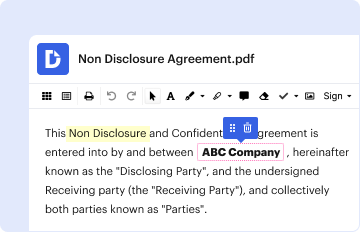
Type text, add images, blackout confidential details, add comments, highlights and more.

Type text, add images, blackout confidential details, add comments, highlights and more.

Draw your signature, type it, upload its image, or use your mobile device as a signature pad.

Send taxable refunds credits or offsets of state and local income taxes via email, link, or fax. You can also download it, export it or print it out.
The form related to taxable refunds, credits, or offsets of local taxes consists of reporting requirements for refunds provided by local governments that may be subject to federal income taxation. This encompasses various credits or offsets that a taxpayer might receive from state or local governments due to excess tax payments, adjustments, or rebates. The critical component of these forms is to determine the portion of such refunds or credits that must be included in federal taxable income, ensuring accurate compliance with IRS guidelines.
To correctly utilize the form, taxpayers should first identify any state or local tax refunds or credits received within the year. The next step involves determining whether any portion of these refunds is taxable according to IRS guidelines. Typically, this depends on whether the taxpayer itemized deductions in the previous tax year. If deductions were itemized, the refund might reduce the amount deducted previously, and the difference will be added to taxable income for the current year. The taxpayer would then file this form alongside their federal tax return, ensuring that all calculations and entries adhere to IRS norms.
Gather Documentation: Collect all records of local tax payments made across the year, including receipts and confirmation letters for any refunds or credits received.
Analyze Previous Returns: Check previous tax returns to determine whether the deductions were itemized, as this affects whether and how the refunds are taxable.
Calculate the Taxable Amount: Using IRS worksheets or guidance, compute the proportion of refunds or credits that must be included as income based on prior deductions.
Complete the Form: Fill out the form with all required personal and financial details, carefully inserting calculated figures into the designated fields.
Review and Submit: Double-check all calculations for accuracy. Submit the completed form alongside your federal tax return, either electronically or via mail.
The IRS specifies that local tax refunds may be partially or fully taxable, depending largely on how prior years' deductions were structured. If deductions exceeded the standard deduction and were itemized, part of the refund may need to be reported as taxable income. IRS guidelines provide further clarification and worksheets to assist taxpayers in computing the correct amounts to report. Following these guidelines helps avoid future penalties and ensures accurate tax reporting.
The form should be filed along with the annual tax return, typically due on April 15th of the following year unless an extension is obtained. Taxpayers are advised to keep track of all relevant filing deadlines to avoid late submission penalties. Those who expect difficulty meeting these deadlines can file for an extension, which ordinarily provides additional time until October 15th.
Itemized Deductions: Specific expenses subtracted from adjusted gross income to reduce the tax bill. These include mortgage interest, state and local taxes, and charitable contributions.
Standard Deduction: A set amount deducted from adjusted gross income determined by filing status, age, and any visual impairments.
Taxable Income: The portion of a taxpayer's total income that is subject to federal income tax.
Credits: Monetary amounts subtracted directly from the total taxes owed, which can sometimes result in a refund if the credits exceed the taxes.
Consider a taxpayer who overpaid local property taxes by $1,000 during the previous year. This amount is later refunded. If this taxpayer itemized deductions that included this tax payment, they must report this refund as income, reducing the prior deductions. By using the IRS-provided worksheet, the taxpayer calculates the taxable amount and reports it accurately on the form.
Failure to report taxable refunds, credits, or offsets properly can result in IRS penalties. Errors may lead to underpayment of taxes, triggering penalties such as fines or interest on the amount owed. To avoid this, it is crucial to submit accurate and complete forms by the designated deadlines.
Only individuals who received local tax refunds, credits, or offsets and who itemized their deductions on their federal tax return need to complete this specific form. Taxpayers should verify their eligibility by reviewing their previous year’s tax filing status and the nature of any refunded or credited amounts.


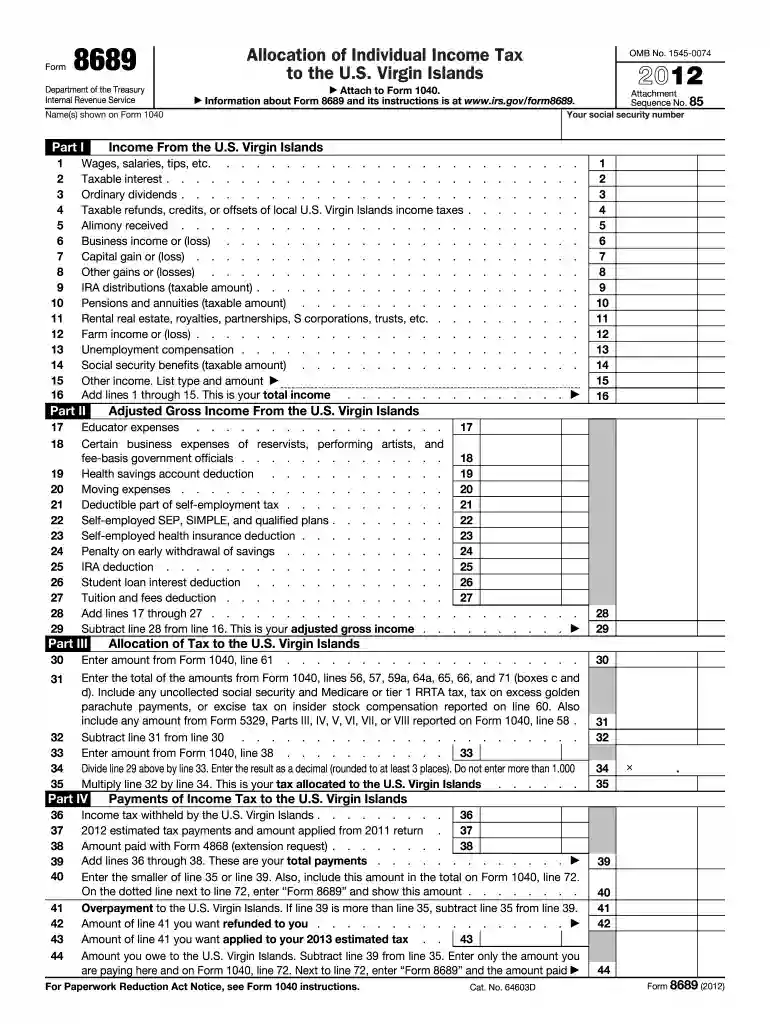
We've got more versions of the taxable refunds credits or offsets form. Select the right taxable refunds credits or offsets version from the list and start editing it straight away!
| Versions | Form popularity | Fillable & printable |
|---|---|---|
| 2025 | 4.4 Satisfied (56 Votes) | |
| 2024 | 4.7 Satisfied (45 Votes) | |
| 2023 | 4.8 Satisfied (57 Votes) | |
| 2022 | 4.3 Satisfied (49 Votes) | |
| 2021 | 4.9 Satisfied (51 Votes) | |
| 2020 | 4.4 Satisfied (208 Votes) | |
| 2019 | 4.4 Satisfied (34 Votes) | |
| 2018 | 4.3 Satisfied (196 Votes) | |
| 2017 | 4.4 Satisfied (168 Votes) | |
| 2016 | 4.4 Satisfied (532 Votes) | |
| 2015 | 4.1 Satisfied (46 Votes) | |
| 2014 | 3.9 Satisfied (31 Votes) | |
| 2013 | 4.3 Satisfied (66 Votes) | |
| 2012 | 4 Satisfied (29 Votes) | |
| 2011 | 4 Satisfied (35 Votes) |
At DocHub, your data security is our priority. We follow HIPAA, SOC2, GDPR, and other standards, so you can work on your documents with confidence.
Sep 16, 2013 These proposed regulations provide guidance on the tax credit available to certain small employers that offer health insurance coverage to theirRead more
If you receive a refund of (or credit for) state or local income taxes in a year after the year in which you paid them, you may have to include the refundRead more
Every person who, with respect to any individual, during any calendar year makes payments of refunds of State or local income taxes (or allows credits or


