
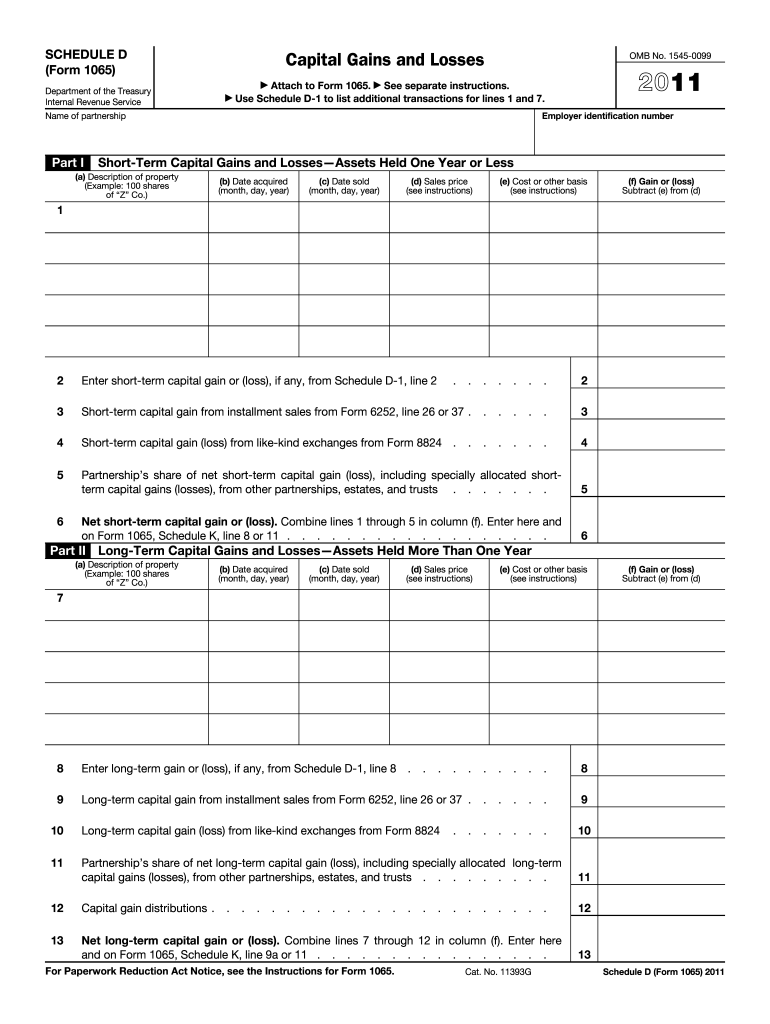







Definition & Meaning of 2011 Form D
Form D is a regulatory document used by companies and limited partnerships to file notice of an exempt offering of securities with the U.S. Securities and Exchange Commission (SEC) under Regulation D. The 2011 version of Form D serves this same purpose, providing companies with a means to raise capital without undergoing the full public registration process.
Key Aspects of Form D
- Regulation D Compliance: The form is integral for businesses seeking to adhere to SEC rules for private placements, as it provides an official framework for notifying the regulatory body about new offerings of securities.
- Non-Public Offerings: Form D filings are essential for private offerings, allowing businesses to leverage the SEC's exemptions from the normal registration process.
Purpose and Function
Form D serves as a critical tool for reporting offerings of securities. It aids in maintaining market integrity by informing the SEC of private placements, thus promoting transparency within financial markets.
How to Use the 2011 Form D
Steps for Utilizing Form D
- Identify the Offering: Determine if your securities offering qualifies for Regulation D exemption.
- Gather Required Information: Collect all necessary details about the offering, including the total amount to be sold, the type of securities being offered, and any sales commissions.
- Complete the Form: Fill out Form D with accurate information based on the specific securities offering.
- Submit the Form: File the completed form electronically through the SEC’s EDGAR system.
Practical Tips
- Accuracy is Key: Ensure all information is correct to avoid potential legal issues.
- EDGAR System Familiarity: Businesses should familiarize themselves with the Electronic Data Gathering, Analysis, and Retrieval system (EDGAR) used for submissions.
How to Obtain the 2011 Form D
Accessing the Form
- SEC Website: Form D can be accessed and downloaded directly from the SEC website.
- Consult Professionals: Seek assistance from legal or financial advisors familiar with SEC filings to help obtain and complete the form accurately.
Additional Resources
- EDGAR Database: Access the SEC’s EDGAR database for historical reference of other Form D filings and instructional guides.
Steps to Complete the 2011 Form D
Detailed Instructions
- Access the Form: Visit the SEC’s official website or contact a financial advisor to access Form D.
- Fill Out Issuer Details: Enter the full name, address, and contact details of the issuing entity.
- Securities Details: Specify the type and amount of securities being offered and any associated fees or commissions.
- Submit: Once completed, submit the form electronically via EDGAR.
Common Mistakes to Avoid
- Incomplete Information: Ensure all fields are filled accurately.
- Incorrect Submission Method: Forms must be submitted digitally via the EDGAR system.
Who Typically Uses the 2011 Form D


Typical Users
- Small to Mid-sized Enterprises (SMEs): Often use Form D for capital raising through private placements.
- Start-ups: Commonly leverage this form to quickly attract investors without the lengthy public offering registration.
- Investment Funds: Utilize this form to report offerings to potential investors.
User Scenarios
- An emerging tech company chooses to issue securities to private investors, enabling rapid capital infusion while avoiding the burdens of a public offering.
- A limited partnership identifies an opportunity to broaden its investor base through a private offering, using Form D to maintain regulatory compliance.
Important Terms Related to 2011 Form D
Key Terminology
- Exempt Offering: A securities offering exempt from the full registration requirements under Regulation D.
- Private Placement: An offering of securities not made public, often directed to a select group of investors.
- Regulation D: A set of SEC rules providing exemptions for various securities offerings.
Clarifying Terms
- Understanding these essential terms helps ensure proper compliance and utilization of Form D.
Legal Use of the 2011 Form D
Compliance and Legal Framework
- SEC Regulations: Use of Form D aligns with SEC regulations by facilitating legal reporting for exempt securities offerings.
- Avoiding Penalties: Correct filing helps to avoid legal penalties and maintains the integrity of the securities market.
- Documentation: Proper documentation through Form D supports organizational transparency and regulatory adherence.
Compliance Challenges
- Keeping updated with evolving legal obligations ensures adherence to all compliance requirements related to Form D filings.
Filing Deadlines / Important Dates
Critical Timelines
- Filing Timeline: Issuers must file Form D within 15 days after the first sale of securities in the offering.
- Amendment Requirements: Amend Form D promptly if there are significant changes to the offering or when certain milestones are met.
Deadline Management
- Monitoring Tools: Use organizational tools to track filing dates and amend schedules, ensuring ongoing compliance with all SEC deadlines.
- Automated Alerts: Implement internal alerts to notify stakeholders of upcoming SEC filing deadlines.


