



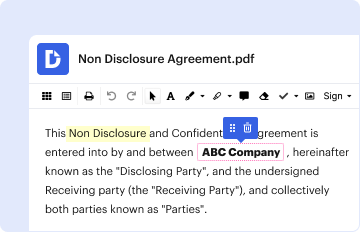
01. Edit your form online
Type text, add images, blackout confidential details, add comments, highlights and more.

Type text, add images, blackout confidential details, add comments, highlights and more.
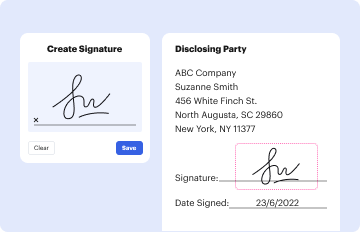
Draw your signature, type it, upload its image, or use your mobile device as a signature pad.
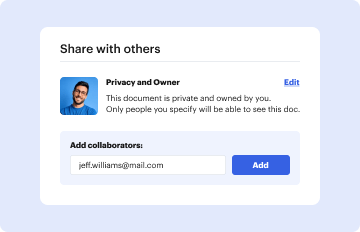
Send it via email, link, or fax. You can also download it, export it or print it out.
The phrase "(For county or state use only)" is commonly found on official forms used in government or legal contexts across the United States. It signifies sections designated for completion by authorized personnel from the state or county agency responsible for processing the document. These sections may include administrative information such as file numbers, dates, and verification signatures. The inclusion of this phrase helps distinguish between information that applicants must complete and details that are solely for internal record-keeping by government entities.
Read Instructions Thoroughly:
Determine the Required Information:
Review for Accuracy:


By observing these guidelines, users can effectively navigate forms containing the "(For county or state use only)" designation, ensuring compliance and accuracy throughout the form completion process.
We've got more versions of the (For county or state use only) form. Select the right (For county or state use only) version from the list and start editing it straight away!
If you often work with documents kept in your Google Drive, DocHub is a perfect option for you to easily and quickly complete, edit, and sign them. This editor integrates well with Google apps, so you can export your (For county or state use only) from your Google Drive to the editor without the need of downloading and re-uploading it. Right-click on your file, select Open With → DocHub PDF Sign and Edit. In our editor, add and assign Signature Fields for all parties involved, then click on the Menu option above → Send → select how you want to share your paperwork.
You need only a web connection and a browser to complete your (For county or state use only) on an iOS phone. Open the DocHub website and authenticate. Then, add your file or select it from the list in your dashboard. Then use our editing tools to complete your form and save all your modifications. You may also send it to a dedicated recipient right away.
At DocHub, your data security is our priority. We follow HIPAA, SOC2, GDPR, and other standards, so you can work on your documents with confidence.
A deed restriction on the property prevents unacceptable exposure to onsite soil contamination and restricts the property for industrial use only.
The county filing fee is $25 for each county, except for the counties of New York, Kings, Queens, Bronx, and Richmond for which the additional fee is $100 for


