




Understanding the Rent Roll Template
A rent roll template is a crucial tool for property owners and managers to track tenant information across various properties. It serves as a detailed summary of rental properties, providing essential data points for effective property management.
Definition of a Rent Roll Template
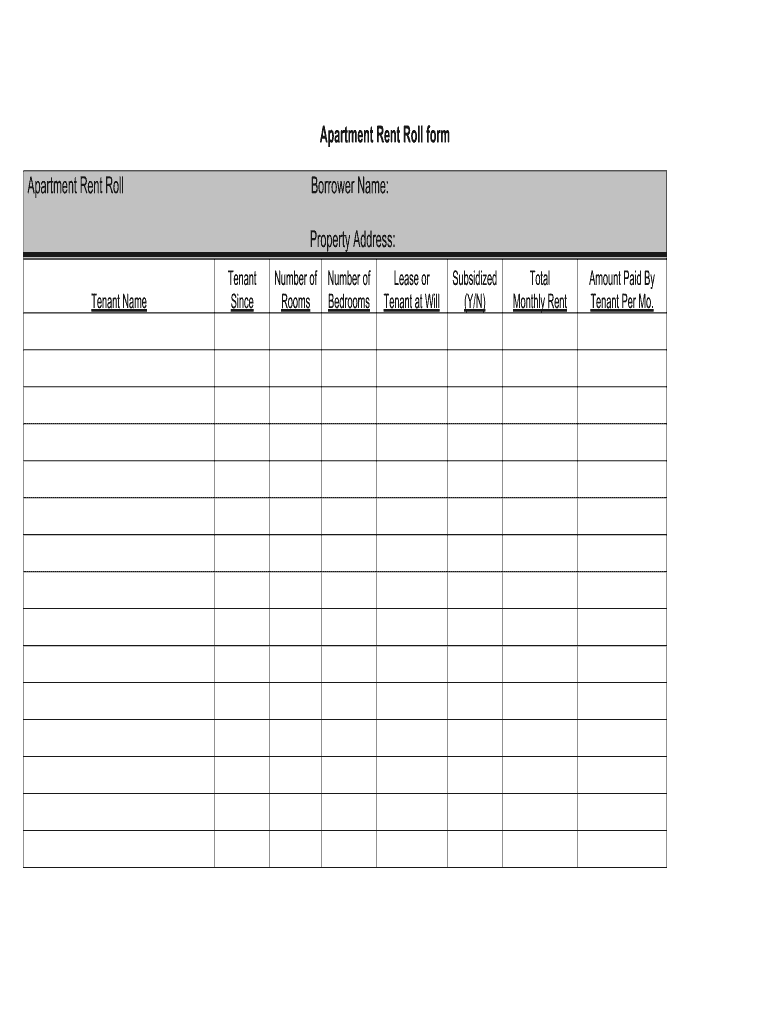
A rent roll template is essentially a document used to list all tenants in a rental property or portfolio, highlighting crucial details such as:
- Tenant Names: The individuals or entities renting the property.
- Lease Status: Active, vacant, expired, etc., indicating the current state of each rental agreement.
- Property Address: Specific locations of the rental units.
- Monthly Rent Amount: Amount charged to each tenant for their unit.
- Amount Paid: Tracking payments received versus owed.
- Lease Start and End Dates: Timeframes for each tenant's agreement.
The rent roll serves not only as a financial tracking document but also as a vital resource for potential investors or current stakeholders interested in assessing property performance.
Key Components of a Rent Roll
Understanding the components included in a rent roll template is essential for effective usage. These include:
- Property Details: Address, unit numbers, and property type (residential or commercial).
- Tenant Information: Names and contact details.
- Financial Overview:
- Total Monthly Rent: Total income from each unit.
- Security Deposits: Amount held as a security against damages or non-payment.
- Occupancy Rate: A percentage reflecting occupied versus vacant units.
- Lease Terms: Duration of the lease and whether it is a fixed-term or month-to-month agreement.
This thorough overview allows property managers to keep track of income and manage tenant relations more effectively.
Utilizing the Rent Roll Template: Best Practices
When using a rent roll template, there are best practices to ensure efficient management of properties:
- Regular Updates: Continuously update information to reflect changes in lease status or tenant details. An up-to-date rent roll informs better financial forecasting and property management decisions.
- Electronic Formats: Utilize rent roll templates in formats like Excel or Google Sheets to facilitate easy editing and real-time collaboration. This also enhances data accessibility for multiple users.
- Integration with Accounting Tools: Link your rent roll with accounting software to simplify financial tracking and reporting. This allows for synchronized updates and a clearer financial overview.
- Review and Analyze: Regularly review the rent roll data to analyze trends, such as vacancy rates or overdue payments. This knowledge could inform marketing strategies for attracting new tenants or adjusting lease terms.
Implementing these practices ensures the rent roll remains a functional and effective tool for property management.
Practical Applications of a Rent Roll Template
Rent roll templates can serve various purposes beyond tracking tenants:
- Investment Analysis: Investors might request a rent roll to assess property viability and income potential before making a purchase.
- Tax Purposes: Comprehensive rent rolls are beneficial during tax season, providing an easy reference for income declarations and deductions related to rental properties.
- Lease Management: Property managers can preemptively identify lease expirations and avoid lapses in income by using the rent roll as a reference for renewals and negotiations.
Implementing specific strategies for various scenarios allows for a proactive approach to property management.
Creating a Rent Roll Template: Steps and Considerations
Creating and maintaining a rent roll can be streamlined by following these steps:
- Select a Template Format: Choose from a free rent roll spreadsheet or rent roll template in Word or Excel based on convenience.
- Gather Required Information: Compile all necessary tenant details, rent amounts, and lease specifics.
- Input Data: Transfer the gathered information into the selected template, ensuring consistency and accuracy.
- Review for Errors: Conduct a thorough verification to correct any inaccuracies before finalizing the document.
- Schedule Regular Updates: Establish a routine, perhaps monthly, for reviewing and updating the rent roll to ensure it reflects the current status of properties.
Examples of Rent Roll Templates
There are variations of rent roll templates tailored to different types of properties and specific needs:
- Residential Rent Roll Template Excel: Designed for tracking residential properties, including single-family homes and multi-family units.
- Commercial Rent Roll Template Free: Focused on commercial properties, addressing unique factors such as business type and lease clauses.
- Printable Rent Roll PDF: A downloadable format for easy printing and sharing with stakeholders or financial institutions.
Selecting the appropriate template can help streamline documentation processes while maximizing usability across diverse scenarios.