




01. Edit your form online
Type text, add images, blackout confidential details, add comments, highlights and more.

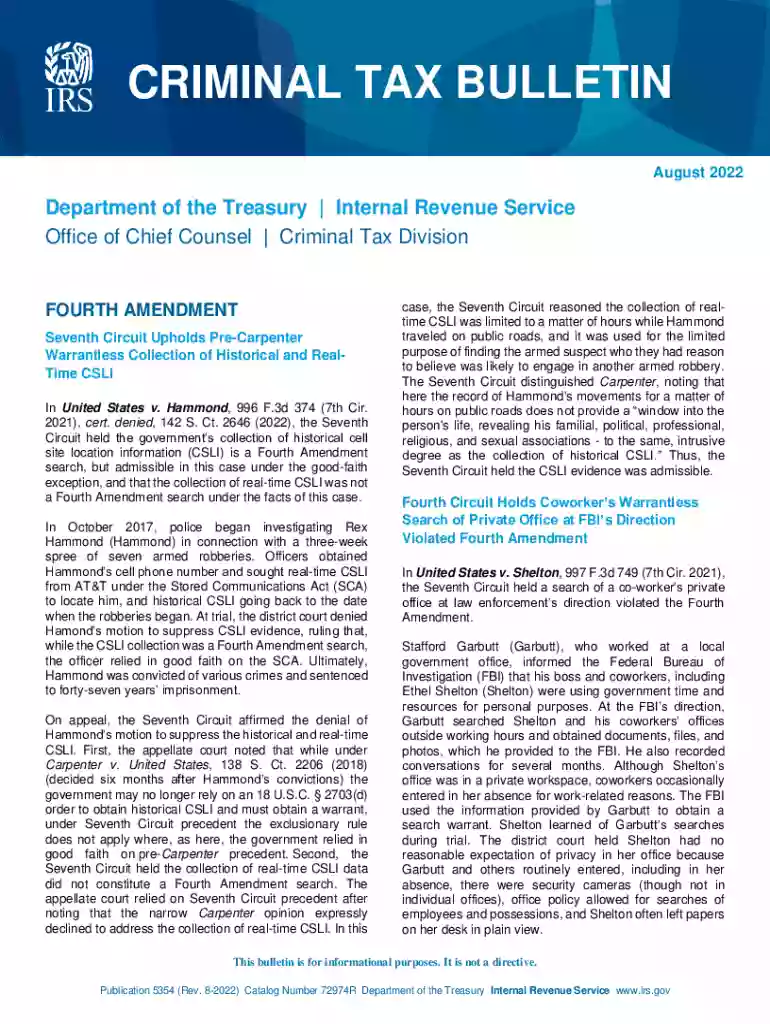
Type text, add images, blackout confidential details, add comments, highlights and more.

Draw your signature, type it, upload its image, or use your mobile device as a signature pad.

Send it via email, link, or fax. You can also download it, export it or print it out.
The Alternative Fuel Excise Tax Credit is a federal tax incentive aimed at promoting the use of alternative fuels in the United States. It provides a tax credit for eligible taxpayers who use alternative fuels such as natural gas, propane, hydrogen, biodiesel, and electricity. This tax credit is part of a broader effort to reduce dependence on traditional fossil fuels and support the transition to cleaner energy sources. The credit is calculated per gallon equivalent of alternative fuel sold or used by the taxpayer, encouraging businesses and individuals to invest in more sustainable energy practices.
To qualify for the Alternative Fuel Excise Tax Credit, there are specific eligibility requirements that must be met:
Understanding these criteria is crucial for taxpayers looking to benefit from this credit and requires careful compliance with federal regulations.


Using the Alternative Fuel Excise Tax Credit involves several steps:
Following these steps ensures compliance and maximizes the potential tax savings associated with this credit.
When applying for the Alternative Fuel Excise Tax Credit, the following documents are generally required:
These documents are essential to substantiate your claim and protect against audits or inquiries from the IRS.
The process to apply for the Alternative Fuel Excise Tax Credit includes the following steps:
Clearly understanding this process and allowing ample time for document preparation will aid in a smooth application procedure.
The IRS provides specific guidelines for the implementation and application of the Alternative Fuel Excise Tax Credit:
These guidelines are designed to ensure that the tax credit is applied fairly and consistently across eligible taxpayers.
While the Alternative Fuel Excise Tax Credit is a federal initiative, some states may have additional incentives or requirements:
Understanding state-specific rules can enhance the benefits received through the federal tax credit.
Non-compliance with the reporting and documentation requirements for the Alternative Fuel Excise Tax Credit can result in:
Adhering strictly to guidelines ensures that taxpayers remain compliant and avoid these potential negative consequences.
We've got more versions of the afdc.energy.govlaws319Alternative Fuel Excise Tax Credit - Energy form. Select the right afdc.energy.govlaws319Alternative Fuel Excise Tax Credit - Energy version from the list and start editing it straight away!
At DocHub, your data security is our priority. We follow HIPAA, SOC2, GDPR, and other standards, so you can work on your documents with confidence.


