



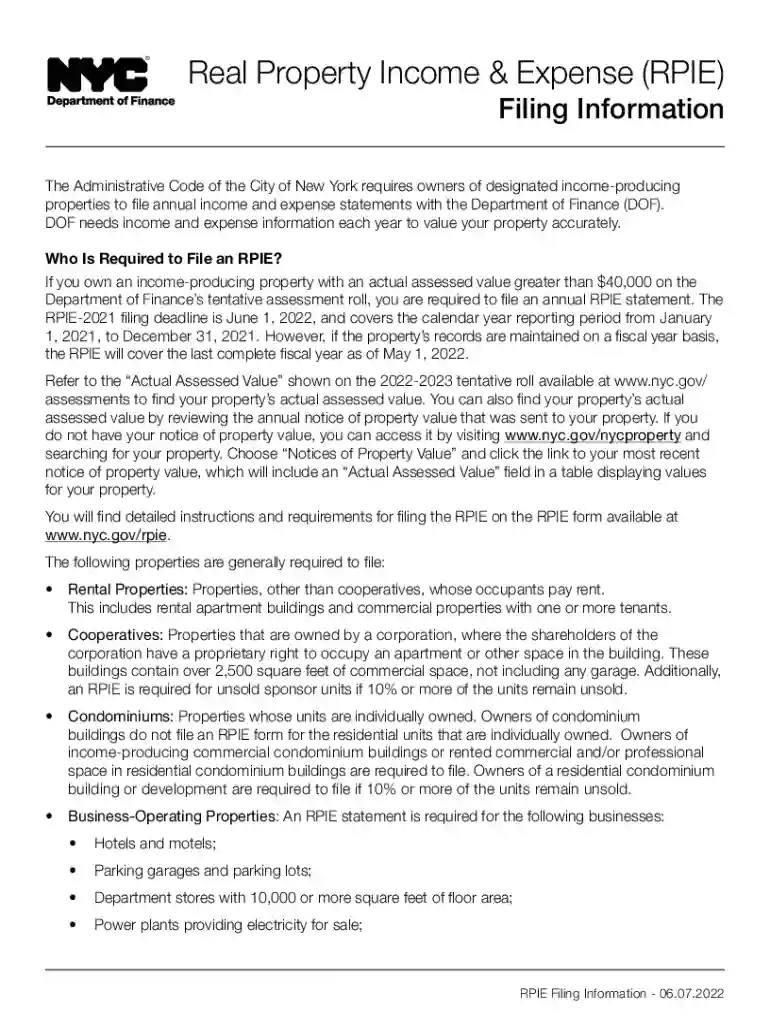
01. Edit your rpie filing 2022 online
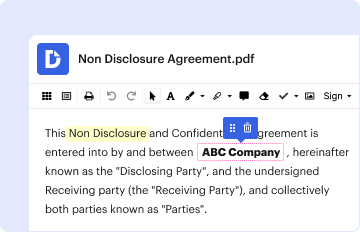
Type text, add images, blackout confidential details, add comments, highlights and more.

Type text, add images, blackout confidential details, add comments, highlights and more.
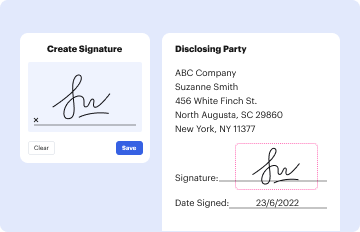
Draw your signature, type it, upload its image, or use your mobile device as a signature pad.
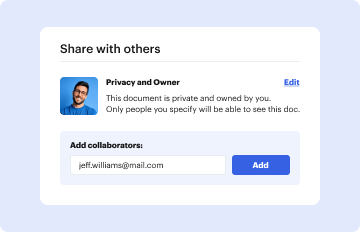
Send it via email, link, or fax. You can also download it, export it or print it out.
The Real Property Income and Expense (RPIE) statements are crucial for property owners in New York City with income-generating properties valued over $40,000. These statements are filed annually with the Department of Finance, capturing detailed income and expense information to ensure proper tax assessments. Effective compliance with RPIE requirements supports equitable property tax practices and assists the City in maintaining accurate property valuations.
RPIE statements include several critical components:
Revenue Details: Property owners must report all rental and non-rental income generated by the property over the past year. This includes lease agreements, occupancy rates, and any ancillary income.
Expense Information: Property-related expenditures such as maintenance, utilities, taxes, and management fees must be documented. Accurate recording of these expenses ensures correct assessment of net income.
Property Details: A comprehensive description of the property, including size, occupancy status, and improvements, is required to contextualize the income and expense data.
Not all property owners are mandated to file RPIE statements. The primary criteria include:


Property owners must follow a structured process to complete their RPIE statements:
Gather Information: Collate all relevant financial documents, including income records, utility bills, and any receipts for property-related expenses.
Access the Form: Obtain the RPIE form from the NYC Department of Finance website or through approved channels.
Complete the Form: Enter all required data into the form, ensuring that each section accurately reflects your property's financial status.
Review and Submit: Carefully review the filled form to ensure accuracy before submission. Forms can be filed online, which is the preferred method due to its convenience and receipt tracking capabilities.
The RPIE filing deadline is June 1st of each year. This deadline applies to data covering the previous calendar year. Failing to meet the deadline can result in penalties, impacting the property tax assessment and potentially leading to a tax lien against the property.
Non-compliance with RPIE filing requirements can result in significant penalties:
RPIE statements serve vital legal and financial functions:
Many property owners leverage accounting software like QuickBooks or TurboTax to streamline the preparation of their RPIE statements:
While digital filing of RPIE forms is encouraged for its efficiency and traceability, paper forms remain an option for those preferring a physical submission process. However, the digital method offers real-time submission confirmation and potentially faster processing times.
Different forms might be available or required based on the specifics of the property and the owner's unique circumstances:
Real Property Income and Expense statements are commonly used by:
By understanding and adhering to these guidelines and requirements, property owners can ensure efficient compliance with New York City's RPIE statement requirements, supporting fair taxation and property valuation processes.
We've got more versions of the rpie filing 2022 form. Select the right rpie filing 2022 version from the list and start editing it straight away!
| Versions | Form popularity | Fillable & printable |
|---|---|---|
| 2025 | 4.8 Satisfied (43 Votes) | |
| 2024 | 4.5 Satisfied (36 Votes) | |
| 2023 | 4.5 Satisfied (43 Votes) | |
| 2022 | 4.8 Satisfied (32 Votes) | |
| 2021 | 4.8 Satisfied (151 Votes) | |
| 2020 | 4.4 Satisfied (255 Votes) | |
| 2019 | 4.3 Satisfied (104 Votes) | |
| 2017 | 4.4 Satisfied (58 Votes) | |
| 2012 | 4.3 Satisfied (129 Votes) | |
| 2011 | 4.3 Satisfied (329 Votes) |
At DocHub, your data security is our priority. We follow HIPAA, SOC2, GDPR, and other standards, so you can work on your documents with confidence.


