
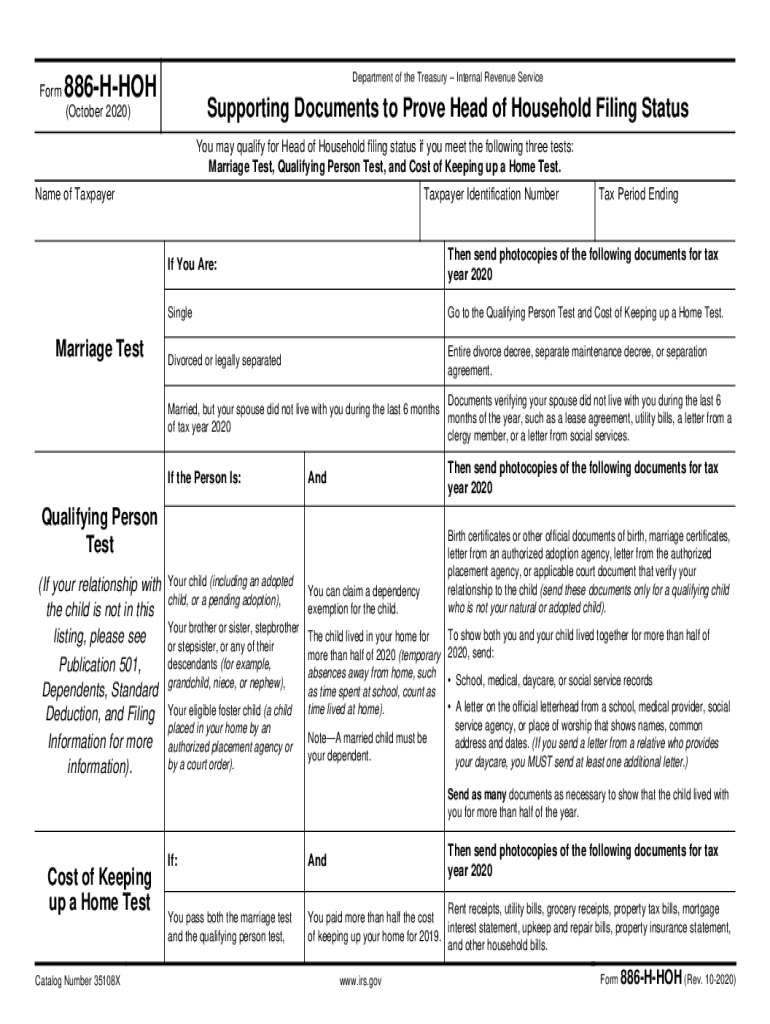







Definition and Importance of Form 8867
Form 8867, commonly known as the Paid Preparer's Due Diligence Checklist, is vital for tax professionals who prepare returns claiming certain refundable credits. This form ensures that preparers meet due diligence requirements set by the IRS to avoid penalties. The checklist is applicable to the Earned Income Tax Credit (EITC), Child Tax Credit (CTC), Additional Child Tax Credit (ACTC), Credit for Other Dependents (ODC), and American Opportunity Tax Credit (AOTC). By thoroughly completing Form 8867, preparers demonstrate their adherence to IRS guidelines, which include gathering necessary documentation and asking pertinent questions.
Using the Instructions for Form 8867
The Instructions for Form 8867 guide tax preparers in accurately completing the checklist to adhere to IRS requirements. These instructions highlight the importance of due diligence and specify the need to retain documentation and evidence of compliance. Preparers must carefully follow each step to ensure they meet the standards that help protect eligible taxpayers from incorrect claims and penalties.
Obtaining Form 8867 and Instructions
Tax professionals can access Form 8867 and its corresponding instructions directly from the IRS website. This document is available as a PDF, which can be downloaded to a computer or mobile device. Some tax software, such as TurboTax and QuickBooks, may also integrate Form 8867, easing the workflow for digital submissions. Additionally, physical copies can often be obtained at IRS offices or through postal services by request.
Completing Form 8867: A Step-by-Step Guide
-
Gather Required Information: Before filling out Form 8867, preparers should collect all relevant information, including W-2s, 1099s, and supporting evidence for the credits claimed. Collecting adequate documentation upfront ensures a smooth completion process.
-
Questionnaires: Carefully go through the questions related to each eligible credit on Form 8867. Ensure that you have asked and documented responses from clients concerning their eligibility and circumstances.
-
Due Diligence Documentation: As part of the due diligence, it's crucial to retain copies of the client's tax return, documents proving eligibility, and your notes on the decision-making process.
-
Submission: The form can be submitted electronically along with the tax return or, if preferred, by mail to the IRS where applicable.
Penalties for Non-Compliance
Non-compliance with Form 8867 requirements can result in substantial penalties. Tax preparers who fail to complete the form or do so incorrectly may incur penalties per occurrence. The IRS enforces these penalties to ensure that refundable credits are only claimed by eligible individuals and to discourage fraudulent claims. Accurate completion and diligent compliance are essential to avoid these costly fines.
Legal Use and IRS Guidelines
The IRS outlines specific guidelines within the Instructions for Form 8867 that tax preparers must follow. These include maintaining comprehensive records and ensuring the authenticity of client information. Legal use of the form involves understanding and applying these guidelines to safeguard against penalties and support compliant tax filing practices.
Eligibility Criteria for Completed Form 8867
Eligibility for utilizing Form 8867 hinges on preparers’ clients claiming one or more of the specified refundable credits. The IRS requires the checklist to ensure accuracy in claims for the EITC, CTC, ACTC, ODC, and AOTC. Understanding and applying the eligibility criteria is crucial for preparers to correctly support their clients' claims and protect clients' interests.


Required Documents for Form Completion
Key documents required to accurately complete Form 8867 include:
- Client identification such as Social Security cards.
- Employment documents like W-2 forms or 1099 forms.
- Proof of residency or relationship documents for credit-eligible dependents.
- Education transcripts or receipts if claiming the AOTC.
- Documentation supporting the income claim or expenses related to the credits.
Form Submission Methods
Tax preparers have several options for the submission of Form 8867:
- Electronic Filing: The most common and preferred method is via IRS-recognized e-filing systems, which include tax software platforms integrated with Form 8867.
- Mailing: If chosen, physical submissions must include all necessary documentation and be sent to the IRS processing center corresponding to the preparer's location.
- In-Person: Though less common due to technological advancements, submissions can be made directly at IRS offices if required.
Examples of Using Form 8867
- A self-employed individual claims the EITC based on earnings documented through 1099 forms and business ledgers.
- A family claiming the Child Tax Credit demonstrates eligibility through school and medical records verifying children’s residency.
- A student qualifying for the AOTC proves eligibility with tuition payments and citizenship documents.
Each scenario underscores the importance of accurate documentation and understanding of IRS eligibility standards when completing Form 8867.
Relevance and Applicability Across States
Although Form 8867 applies federally, requirements might intersect with state-specific tax filing rules. Precise knowledge of both national and state protocols ensures comprehensive compliance. For example, states that adopt specific refundable credit structures may have additional guidelines or documentation standards.




