




01. Edit your form online
Type text, add images, blackout confidential details, add comments, highlights and more.

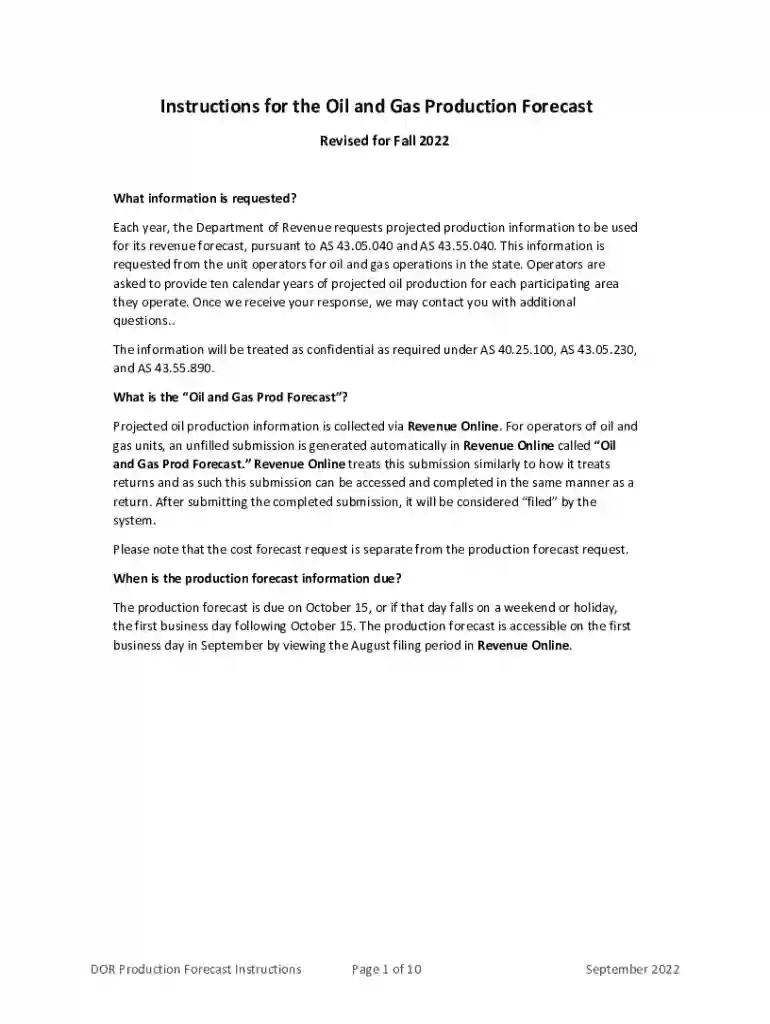
Type text, add images, blackout confidential details, add comments, highlights and more.

Draw your signature, type it, upload its image, or use your mobile device as a signature pad.

Send it via email, link, or fax. You can also download it, export it or print it out.
The term "EIA revised down global oil production forecasts for 2023," refers to the updated analysis by the U.S. Energy Information Administration (EIA) regarding expected global oil production levels for the year 2023. The revision indicates a reduction in the previously forecasted oil output worldwide. This adjustment can significantly impact global energy markets, influencing everything from international oil prices to national energy policies. The EIA's Short-Term Energy Outlook is an important document that provides insights into energy supply, consumption, and price projections, and its revised forecasts are closely monitored by industry stakeholders.
Understanding how to use the revised global oil production forecasts can be crucial for businesses, policymakers, and investors. By analyzing the report, stakeholders can:
Accessing the revised forecasts is essential for those who need to incorporate this information into their decision-making processes. Here are the steps to obtain the report:
Though not a traditional form requiring completion, utilizing the EIA forecast involves several key actions:
Several key elements are critical to understanding the revised global oil production forecasts:
Real-world scenarios illustrate how various stakeholders might utilize the forecast:
Understanding the terminology is crucial for interpreting the forecast accurately:
Legal considerations in using the EIA forecasts focus primarily on adherence to guidelines specified for data citation:
Various groups regularly rely on these forecasts:
Each of these sections provides a thorough examination of the critical aspects, implications, and applications of the EIA revised down global oil production forecasts, offering a comprehensive guide to its utility and significance.


We've got more versions of the EIA revised down global oil production forecasts for 2023Short-Term Energy Outlook - U.S. Energy InformationEIA revised down global oil production forecasts for 2023EIA revised down global oil production forecasts for 2023 form. Select the right EIA revised down global oil production forecasts for 2023Short-Term Energy Outlook - U.S. Energy InformationEIA revised down global oil production forecasts for 2023EIA revised down global oil production forecasts for 2023 version from the list and start editing it straight away!
At DocHub, your data security is our priority. We follow HIPAA, SOC2, GDPR, and other standards, so you can work on your documents with confidence.


