


About Form 4797, Sales of Business Property - IRS tax forms-2026

Get Form
2022 form 4797 Preview on Page 1

Here's how it works

01. Edit your 2022 form 4797 online
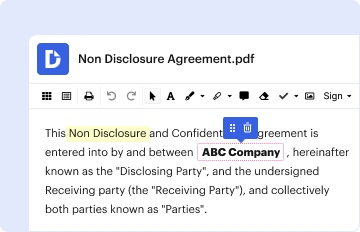
Type text, add images, blackout confidential details, add comments, highlights and more.
02. Sign it in a few clicks
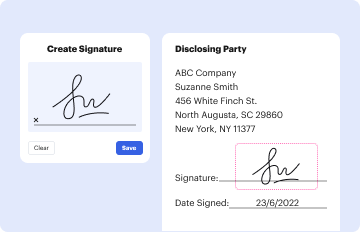
Draw your signature, type it, upload its image, or use your mobile device as a signature pad.
03. Share your form with others
Send form 4797 via email, link, or fax. You can also download it, export it or print it out.

Definition and Meaning of Form 4797

Form 4797, officially known as the "Sales of Business Property," is a tax form utilized by businesses and individuals to report the sale or exchange of business properties. This includes not only involuntary conversions of property, such as those resulting from theft or eminent domain, but also recapture amounts related to depreciation under specific IRS guidelines. The information reported on Form 4797 provides the IRS with necessary data regarding capital gains or losses that arise from the sale or exchange of properties used in a trade or business.

Understanding the nuances of Form 4797 is essential for accurately calculating taxes owed and ensuring compliance with federal tax regulations. Each section of the form pertains to different types of property and transactions, which may include:

  • Section 1245 Property: Generally includes depreciable personal property, such as machinery or equipment, where gain or loss may need to be recaptured.
  • Section 1250 Property: Applies to real property, primarily buildings or structures, which may have undergone depreciation.
  • Section 1231 Transactions: This section deals with properties that are held for more than one year and are subject to specific capital gains treatment.

Being familiar with the definition and components of Form 4797 is vital for taxpayers who engage in selling business-related assets.

Steps to Complete Form 4797

Completing Form 4797 involves several key steps. Properly filling out the form ensures accurate reporting of gains or losses related to business property transactions.

  1. Gather Required Information

    • Collect documentation related to the sale, including the purchase date, sales date, sale price, and details of any depreciation taken.
    • Review related tax forms and schedules that may affect the calculations.
  2. Fill Out the Form Sections

    • Part I: Report gains and losses from sales or exchanges of Section 1245 property. This includes filling in the gross proceeds and determining any recapture of depreciation.
    • Part II: Address Section 1250 property transactions. Report similar gross proceeds and any necessary adjustments.
    • Part III: Focus on Section 1231 transactions, listing properties used in the business and reporting gains and losses from those assets.
  3. Calculate Totals

    • Sum the gains or losses from each part, noting the overall tax impact. Ensure any necessary losses can offset gains in accordance with IRS guidelines.
  4. Transfer Information to the Tax Return

    • Use the totals calculated on Form 4797 to complete your individual or business income tax return. This might involve citing the total gain or loss on Form 1040 or business tax forms.
  5. Keep Records

    • Retain all supporting documentation, completed forms, and any correspondence with the IRS regarding Form 4797, as these may be necessary for future references or audits.

Completing Form 4797 accurately ensures compliance and potentially minimizes tax liability through proper reporting of business property transactions.

Key Elements of Form 4797

Form 4797 consists of several distinct elements, each serving a specific purpose in the reporting of sale transactions. Understanding these elements facilitates better preparation and accuracy in tax filing.

  • Basic Information: This includes the taxpayer's name, address, and identifying number, ensuring that the IRS can accurately associate the form with the correct taxpayer.

  • Sections for Reporting Different Property Types:

    • Part I for Section 1245 property: Gain or loss is reported here, with calculations for any depreciation recapture.
    • Part II for Section 1250 property: Reports gains and allows for certain adjustments pertinent to real property sales.
    • Part III covers Section 1231 transactions, focusing on properties disposed of after being held for over a year, impacting how gains are taxed.
  • Calculations: Each part facilitates the calculation of the overall gain or loss, necessary for accurately reflecting the taxpayer's financial position on their income tax return.

  • Signature and Date: The completed form must include the taxpayer's signature and the date, which verify the authenticity of the submitted information.

Familiarity with these key elements can enhance the accuracy and compliance of the filing process.

Filing Deadlines for Form 4797

Timely filing of Form 4797 is critical to avoid penalties and ensure compliance with IRS regulations. The filing deadlines largely coincide with the overall tax filing deadlines set forth by the IRS.

  • Individual Taxpayers: For individuals who report sales on Form 1040, Form 4797 is due on or before the tax return filing deadline, typically April 15 for the previous calendar year. If this date falls on a weekend or holiday, the due date adjusts accordingly.

  • Businesses and Corporations: For corporations and partnerships, the deadlines may vary:

    • Corporations: Usually, Form 4797 is due on the 15th day of the fourth month following the close of the tax year.
    • Partnerships: Generally, the due date aligns with the entity type under which it operates, which may include extensions.
  • Extensions: Taxpayers may file for extensions, extending the due date for formal submissions. However, any due taxes must be estimated and paid by the original deadline to avoid potential penalties.

Awareness of these critical deadlines can prevent unnecessary penalties and ensure that taxpayers remain compliant with their financial obligations.

Important Terms Related to Form 4797

Understanding the terminology associated with Form 4797 enhances comprehension and accuracy in reporting business property sales.

  • Recapture: The process by which previously deducted depreciation amounts are added back into taxable income when property is sold for more than its adjusted basis.

  • Adjusted Basis: This is the value of the property after accounting for multiple factors that affect its cost basis, including depreciation, improvements, and other adjustments.

  • Involuntary Conversion: A situation where property is converted into cash or a replacement property due to unforeseen circumstances, such as theft or condemnation.

  • Capital Gains: Profits from the sale of assets or investments, which are taxable under specific thresholds and classifications.

  • Sale of Business Property: This encompasses any transaction where a business property is sold, exchanged, or otherwise disposed of, and must be reported using the appropriate sections of Form 4797.

Familiarity with these terms enables taxpayers to navigate the complexities of Form 4797 more effectively and fulfill their reporting obligations accurately.

See more About Form 4797, Sales of Business Property - IRS tax forms versions

We've got more versions of the About Form 4797, Sales of Business Property - IRS tax forms form. Select the right About Form 4797, Sales of Business Property - IRS tax forms version from the list and start editing it straight away!
Versions Form popularity Fillable & printable
2023 4.6 Satisfied (38 Votes)
2022 4.7 Satisfied (33 Votes)
2021 4.8 Satisfied (71 Votes)
2020 4.4 Satisfied (199 Votes)
2019 4.4 Satisfied (79 Votes)
2018 4.1 Satisfied (80 Votes)
2017 4.2 Satisfied (65 Votes)
2016 4.3 Satisfied (185 Votes)
2015 4 Satisfied (54 Votes)
2014 4 Satisfied (47 Votes)
2013 4.3 Satisfied (67 Votes)
2012 4.1 Satisfied (26 Votes)
2011 4.1 Satisfied (56 Votes)
1996 4 Satisfied (22 Votes)
be ready to get more

Complete this form in 5 minutes or less

Get form

Got questions?

We have answers to the most popular questions from our customers. If you can't find an answer to your question, please contact us.
Contact us
Use Form 4797 to report: The sale or exchange of property. The involuntary conversion of property and capital assets. The disposition of noncapital assets.
Net Section 1231 gains for the taxable year are treated as long-term capital gains, but a net Section 1231 loss is considered an ordinary loss.
Section 1245 recapture pertains to personal property, such as machinery, equipment, and certain improvements. Under Section 1245, any gain from the sale or disposal of personal property is recaptured as ordinary income rather than as a capital gain.
Form 4797 is used to report the sale or disposition of certain types of property, such as real estate, business assets, and investments. You should report the details of these transactions, including the date of sale, the sale price, and the original cost of the property.
To generate Form 4797, use one of the following methods: Method 1: To generate Form 4797 from the 4562 screen, use the IF SOLD section of the screen. Method 2: Enter only a Date Sold on the 4562 screen, then complete the 4797 screen. Method 3: Enter data on the 4562 to recapture Section 179 expenses claimed.
be ready to get more

Complete this form in 5 minutes or less

Get form

People also ask

Property Types and Form 4797 Parts I, II and II Depreciable Tangible Trade or Business Property. Depreciable Real Trade or Business Property. Farmland Held Less than 10 Years With Soil, Water, or Land Clearing Expenses Deducted. Real or Tangible Trade or Business Property Deducted Under the De Minimis Safe Harbor.
0:00 42:52 So such as real property depreciable. And amortizable tangible property oil gas geothermal andMoreSo such as real property depreciable. And amortizable tangible property oil gas geothermal and mineral property properties.
To generate Form 4797, use one of the following methods: Method 1: To generate Form 4797 from the 4562 screen, use the IF SOLD section of the screen. Date Sold and Property Type are required entries. Method 2: Enter only a Date Sold on the 4562 screen, then complete the 4797 screen.

4797 2022