
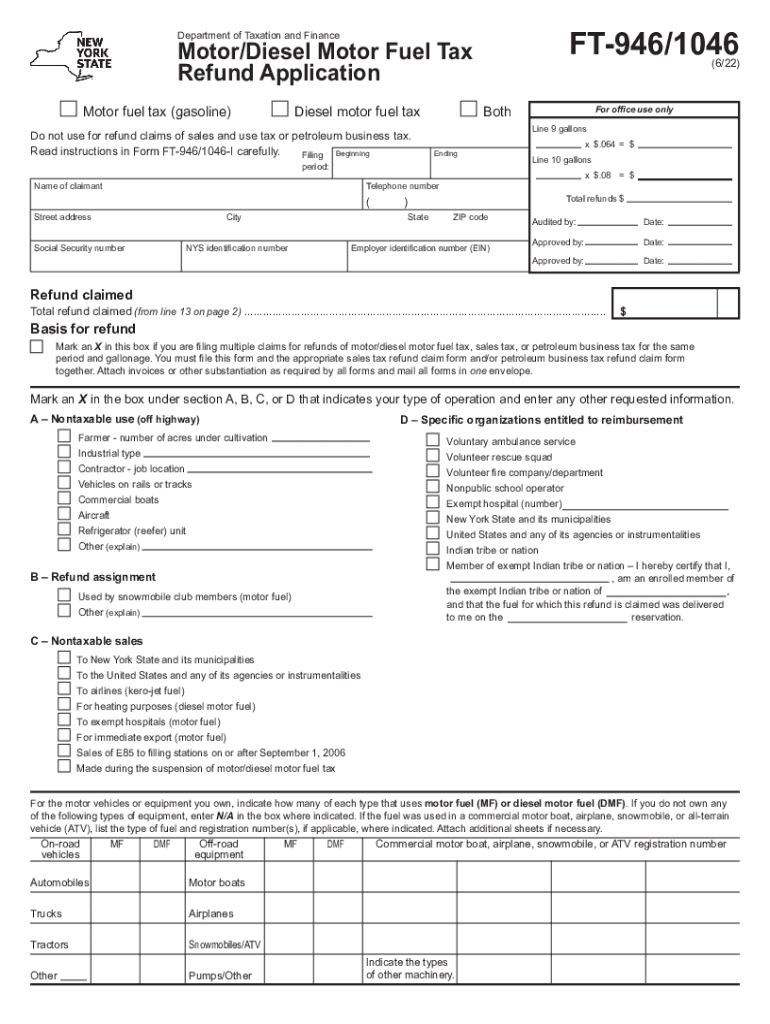







Definition & Meaning
A tax filing return is an essential document wherein taxpayers report their income, expenses, and other pertinent financial information to a tax authority, typically the Internal Revenue Service (IRS) in the United States. This document determines an individual’s or organization's tax obligations or refunds for a particular fiscal year. It serves as a formal record that includes details about taxable income, credits, deductions, and payments made throughout the year. By effectively completing a tax filing return, taxpayers demonstrate compliance with federal, state, and local tax laws.
Filing a tax return ensures that individuals and businesses pay the correct amount of taxes owed and helps prevent underpayment or overpayment issues. Beyond mere compliance, it is a reflection of financial transparency, enabling the government to gather necessary data for economic planning and regulation. Many individuals may also use their tax filing return to apply for financial aid, loans, or other financial services where proof of income is required.
Steps to Complete the Tax Filing Return
Completing a tax filing return involves several critical steps to ensure accuracy and compliance:
-
Gather Necessary Documents: Collect all relevant financial documents, including W-2s, 1099s, receipts for deductions, and records of any income received.
-
Choose the Correct Form: Depending on your employment status and other factors, select the appropriate tax form, such as Form 1040, 1040A, or 1040EZ.
-
Report All Income: Accurately report all sources of income, including wages, dividends, and self-employment earnings.
-
Claim Deductions and Credits: Assess and claim any eligible deductions and credits to lower taxable income, such as those related to education or dependents.
-
Calculate Your Tax Liability: Use the tax tables provided by the IRS to calculate the amount of tax owed, after deductions and credits.
-
Double-Check Entries: Review all information for accuracy to prevent delays or errors in processing.
-
Submit Your Filing: Decide whether to file electronically or via paper mail, keeping in mind the deadlines for submission.
Filing Deadlines / Important Dates
The due date for federal tax returns is usually April 15, though extensions can be filed for special circumstances. If April 15 falls on a weekend or legal holiday, the deadline shifts to the next business day. For individuals unable to meet this deadline, filing Form 4868 grants an automatic six-month extension. However, an extension to file does not equate to an extension to pay any owed taxes, so estimated payments should accompany extension requests.
Many states follow the federal schedule, but variations do exist, making it critical to check specific deadlines based on the state of residence. Missing these deadlines can result in penalties and interest charges, thus understanding and adhering to these dates is crucial for maintaining compliance.
Required Documents
Key documents necessary for filing a tax return include:
- Form W-2: Wage and tax statement from employers.
- Form 1099: Reporting additional income like investments, freelance work, or retirement distributions.
- Form 1098: Documentation of mortgage interest paid.
- Documentation for Deductions: Receipts for charitable donations, medical expenses, or educational costs.
- Identification Numbers: Social Security numbers or Taxpayer Identification Numbers for you, your spouse, and dependents.
Maintaining an organized record of these documents throughout the year aids in an efficient and accurate filing process.
Form Submission Methods (Online / Mail / In-Person)
Tax returns can be submitted via several methods, each with its own advantages:
- Electronic Filing (e-File): The most popular method, e-filing offers speed and accuracy, with access to direct deposit for refunds.
- Mail: Sending paper forms through the postal service is traditional but slower, with additional responsibilities for ensuring timely delivery.
- In-Person Assistance: Some taxpayers opt for in-person filing with assistance from tax professionals or community programs for navigating complex tax situations.
Each method has varying levels of support, timing, and associated costs, yet provides taxpayers adequate options suited to their preferences and individual circumstances.
IRS Guidelines
The IRS offers comprehensive guidelines to assist taxpayers in correctly completing their returns. These guidelines address everything from the selection of the correct forms and schedules to detailed instruction on relevant tax codes. Taxpayers are encouraged to reference IRS publications, available for free on the IRS website, which delve into specific scenarios like home office deductions, education credits, and capital gains.
Understanding these guidelines ensures accurate reporting and allows taxpayers to take advantage of potential deductions and credits without exposure to audits or penalties.
Digital vs. Paper Version
The decision between digital and paper filings hinges on factors like convenience, speed, and personal preference. Digital filing often results in faster processing times and refund issuance, with added features like immediate confirmation of receipt and error-checking algorithms. Software compatibility with platforms like TurboTax and QuickBooks provides users with tools for efficient data entry and accuracy verification.
In contrast, paper filings may appeal to those comfortable with traditional methods or without easy access to digital tools. However, this method requires more self-verification to avoid errors and ensure submission timeliness.
Examples of Using the Tax Filing Return
Different scenarios demonstrate how tax filing returns are utilized nationwide:
- Self-Employed Individuals: Must report business income and expenses, possibly requiring additional forms like Schedule C.
- Retirees: Might report income from pensions, Social Security, and investments.
- Students: May file to claim education-related credits or report part-time job income.
- Homeowners: Can deduct mortgage interest, potentially leading to significant savings.
These examples underscore the varying complexity of tax return preparation across diverse taxpayer categories. Properly executed, tax returns not only ensure compliance but also offer opportunities for financial benefit and optimization.




