



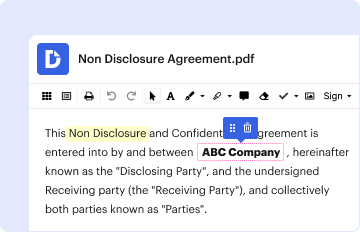
01. Edit your form online
Type text, add images, blackout confidential details, add comments, highlights and more.

Type text, add images, blackout confidential details, add comments, highlights and more.
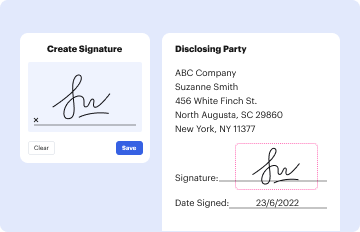
Draw your signature, type it, upload its image, or use your mobile device as a signature pad.
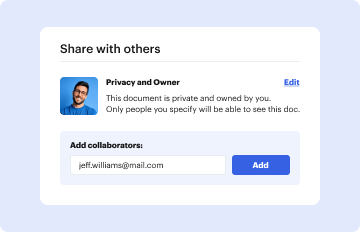
Send it via email, link, or fax. You can also download it, export it or print it out.
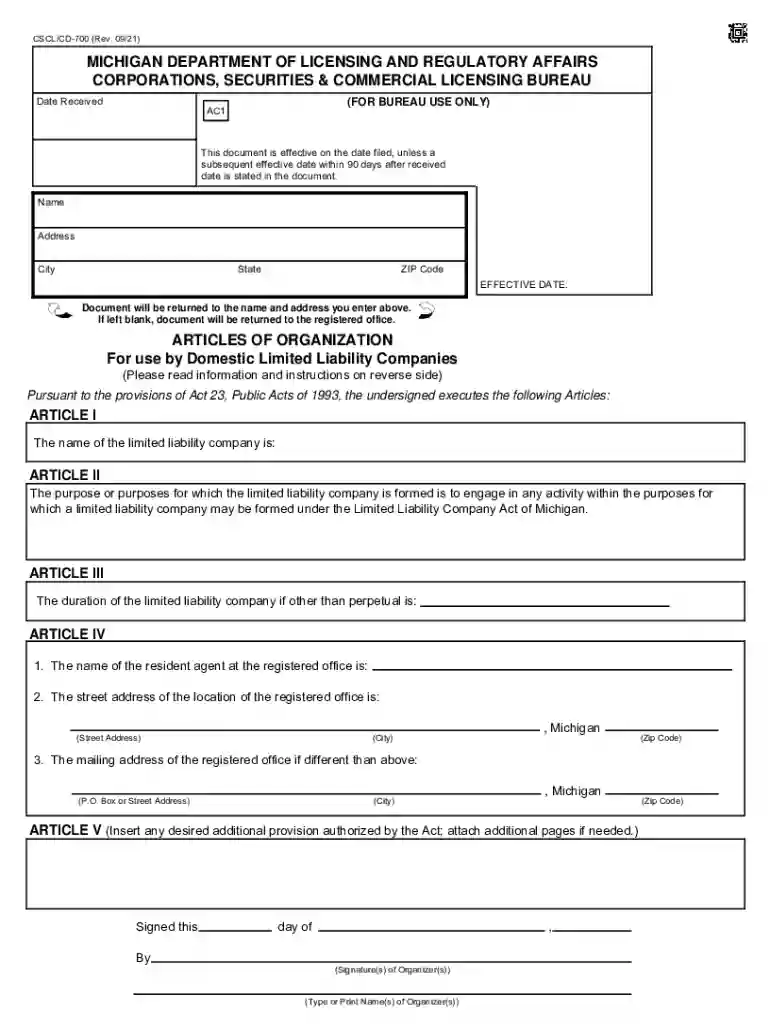
The Michigan organization form, specifically known as CSCL/CD-700, is essential for those looking to establish a Domestic Limited Liability Company (LLC) in Michigan. This form is issued by the Michigan Department of Licensing and Regulatory Affairs and serves as the formal document for filing Articles of Organization. It includes vital sections such as company name, purpose, duration, and details about the resident agent. Understanding the nuances of this form ensures a smooth LLC formation process.
Using the Michigan organization form involves several key steps:
Thoroughly completing the Michigan organization form involves the following steps:
When dealing with the Michigan organization form, several terms are pivotal:
Understanding these terms helps in accurately preparing and filing the necessary documentation.
Michigan has specific regulations that govern LLC formation:
Adhering to these rules helps ensure the successful formation and operation of an LLC in Michigan.
Several crucial elements make up the Michigan organization form:
Each element must be completed with accuracy to avoid filing rejections or delays.
The Michigan organization form serves a vital legal function:
Proper filing bestows these legalities, essential for compliance and operational security.
Several scenarios illustrate the use of the Michigan organization form:
These examples highlight the form's flexibility in catering to diverse business needs.
We've got more versions of the michigan organization form form. Select the right michigan organization form version from the list and start editing it straight away!
At DocHub, your data security is our priority. We follow HIPAA, SOC2, GDPR, and other standards, so you can work on your documents with confidence.


