




Definition & Meaning
"View submission instructions below" typically indicates a directive for users to refer to a specific section of a document or web page that contains detailed guidance on how to submit a form or application. This phrase is often used in contexts where users need to follow a structured process to ensure that all requirements are met before finalizing their submission. The instructions might include steps for gathering necessary documents, completing required fields, and adhering to given deadlines.
Examples of Contexts
- Online application forms for educational programs that require specific documents and personal information.
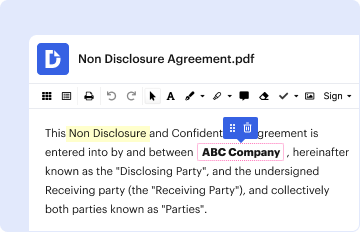
- Submission guidelines for digital documents through platforms like DocHub, which facilitate the completion and transfer of forms.
Importance of Accurate Understanding
Understanding this phrase is crucial as it directly impacts the success of a user's submission. Misinterpretation can lead to incomplete or incorrect submissions, potentially affecting outcomes such as application acceptance or legal compliance.
Steps to Complete the View Submission Instructions
To effectively follow submission instructions, users should adhere to the following steps, which ensure a comprehensive understanding and compliance with requirements:
-
Thoroughly Read the Instructions:
- Carefully review the document section titled "View submission instructions below" to identify all necessary tasks.
- Note specific wording or terminology that indicates mandatory actions, such as "must" or "required."
-
Gather Necessary Documents:
- Identify all documents needed for the submission and verify that they meet the outlined criteria.
- Use document management tools like DocHub to import, edit, and format documents as needed.
-
Complete Required Fields:
- Ensure that all fields in the application or form are correctly filled out according to the provided guidelines.
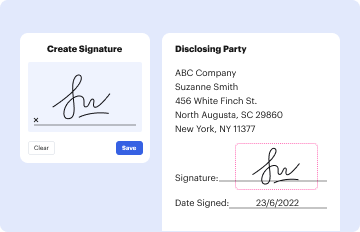
- Use features such as fillable forms with DocHub to facilitate this process, ensuring accuracy and completeness.
-
Check for Deadlines:
- Pay attention to any specified submission deadlines to avoid last-minute complications.
- Utilize calendar tools to set reminders and ensure timely completion.
-
Confirm Submission Method:
- Determine whether the form or application needs to be submitted online, via mail, or in person.
- Follow any specific instructions for each method to guarantee successful delivery.
Who Typically Uses the View Submission Instructions Below
This directive is commonly utilized by individuals and organizations involved in various sectors and scenarios, such as:
-
Educational Institutions:
- Students and applicants submitting applications for programs or scholarships often encounter these instructions.
-
Government Agencies:
- Taxpayers completing IRS forms and other government-related documents.
-
Business Entities:
- Companies submitting regulatory compliance forms or business registration applications.
-
Legal Professionals:
- Attorneys submitting legal documents or evidence to courts or other entities.

Key Elements of the View Submission Instructions
The key elements that users should focus on when exploring submission instructions generally include:
Required Information
- Personal details or business information necessary for form completion.
- Specific data points or figures that need to be accurately provided.
Format and Structure
- The format in which documents should be submitted, such as PDF or DOC.
- Instructions on organizing content, including pagination and labeling.
Review and Verification
- Processes for reviewing completed forms and ensuring there are no errors.
- Steps for validating information through cross-referencing documentation.
Legal Use of the View Submission Instructions
Ensuring legal compliance when following submission instructions is vital, particularly in contexts with regulatory obligations. Users should be aware of the following:
-
Adherence to Guidelines:
- Follow all specified guidelines to avoid legal repercussions associated with non-compliance or misrepresentation.
-
Document Security:
- Utilize platforms like DocHub to secure and encrypt documents during submission, safeguarding personal and sensitive information.
Legal Scenarios
- Submitting court documents that require strict adherence to procedural rules.
- Filing tax returns with the IRS, adhering to their specific submission protocols.
Digital vs. Paper Version
When considering document submission, users should evaluate the differences between digital and paper versions:
Advantages of Digital Submissions
- Enhanced convenience and speed due to electronic processing.
- Access to tools for document editing and signing, such as those offered by DocHub.
Advantages of Paper Submissions
- Physical record keeping and potential familiarity for individuals less comfortable with technology.
Considerations
- Determine which version is accepted or preferred by the receiving entity.
- Ensure proper formatting and compliance with digital requirements when opting for electronic submissions.
Required Documents
Understanding which documents are required is central to successful form submissions:
-
Common Document Types:
- Identification documents such as passports or driver’s licenses.
- Financial documents like bank statements or tax returns.
-
Platform Capabilities:
- Use DocHub to manage, edit, and securely store documents ready for submission.
Document Requirements
- Ensure documents are up-to-date and meet the specified validity criteria.
- Verify authenticity and readability of scanned or digitized copies.
Form Submission Methods (Online / Mail / In-Person)
The method of submission can vary based on different factors, and individuals must select the appropriate channel:
Online Submission
- Fast and convenient when access to internet tools such as DocHub is available.
- Secure transmission with encryption ensures data protection.
Mail Submission
- Suitable for hard copy requirements or when physical documents need to be sent.
- Consider delivery tracking for important or time-sensitive submissions.
In-Person Submission
- Necessary when original document verification is required by the recipient.
- Typically involves personal identification and handling protocols at submission point.
By following these structured and detailed guidelines, users can ensure efficient and successful submission processes across various scenarios and requirements.




