




Here's how it works
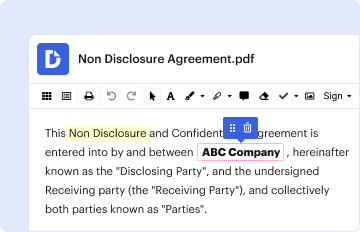
01. Edit your ept form online
Type text, add images, blackout confidential details, add comments, highlights and more.
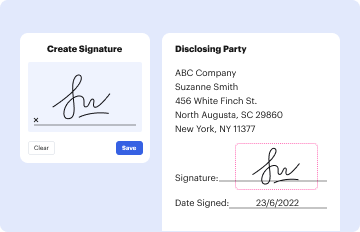
02. Sign it in a few clicks
Draw your signature, type it, upload its image, or use your mobile device as a signature pad.

03. Share your form with others
Send it via email, link, or fax. You can also download it, export it or print it out.
How to use or fill out pressure test form with our platform

- Click ‘Get Form’ to open the pressure test form in the editor.
- Begin by filling in the 'System Information' section. Enter the pressure test plan number, building inspection office number, building number, room/area, and pressure system ID as required.
- In the 'Test Information' section, specify the type of test (Hydrostatic or Pneumatic) and provide the system design pressure and temperature. Attach any necessary project technical documents that support this information.
- Detail the 'Test Parameters' including required test pressure, minimum hold time, test fluid, and fluid temperature. Ensure you include a description of the test configuration and boundary limits.
- Complete the 'Test Equipment' section by specifying the type of pressure gauge and its calibration date.
- Fill out environmental controls for safety measures and administrative controls for personnel qualifications.
- Finally, gather all required approvals from supervisors and other relevant parties by providing their printed names, signatures, and dates.
Start using our platform today to streamline your document editing process for free!
Fill out pressure test form online
It's free
It's free
See more pressure test form versions
We've got more versions of the pressure test form form. Select the right pressure test form version from the list and start editing it straight away!
Got questions?
We have answers to the most popular questions from our customers. If you can't find an answer to your question, please contact us.
Contact us
What is the ASME standard for pressure tests?
ASME B31. The test pressure shall not be less than 1.1 times the design pressure and shall not exceed the lower of 1.33 times the design pressure or the pressure that would produce a nominal pressure stress or longitudinal stress in excess of 90 % of the yield stress of any component at the test temperature.
What are the pressure test requirements for fire sprinkler systems?
HYDROSTATIC PRESSURE TEST All new fire service mains shall be tested hydrostatically at not less than 200 psi for a minimum of two hours, or at 50 psi pressure in excess of the maximum static pressure when the maximum required static pressure exceeds 150 psi.
How to do a positive pressure test?
During a positive pressure user seal check, the respirator user exhales gently while blocking the paths for air to exit the facepiece. A successful check is when the facepiece is slightly pressurized before increased pressure causes outward leakage.
What is the NFPa 54 pressure test?
The pressure test will verify the integrity of the piping material and ensure that it will perform as designed. The 2021 edition of NFPA 54 covers pressure testing in Chapter 8.1. Basic procedures include the following: ⦁ The testing medium must be air, nitrogen, carbon dioxide or an inert gas.
What is the NFPA standard for pressure test?
NFPA 13 PRESSURE TEST PROCEDURES (Aboveground Fire Systems): For fire protection systems, the piping is pressurized to 200 psi (13.8 bar) for a period of 2 hours.
Security and compliance
At DocHub, your data security is our priority. We follow HIPAA, SOC2, GDPR, and other standards, so you can work on your documents with confidence.
Learn more


People also ask
What is pressure test certificate?
If you look at the simplest form of a hydrostatic pressure test certificate, it will state a medium plus a pressure, then go on to declare that on a certain date that the part (whether it is a hose, pressure vessel or whatever) was taken up to the pressure with no leakage or permanent deformation.
What is the code for piping pressure test?
You can find specific ASME hydrostatic testing requirements for process piping in ASME B31. 1 and ASME B31. 3. These codes state that the pressure during the hydrostatic test should never fall below one and a half times the pressure that the system is designed to hold.
What are the pressure testing requirements for fire lines?
2.1 Hydrostatic tests of not less than 200 psi (13.8 bar) pressure for 2 hours, or at 50 psi (3.4 bar) in excess of the maximum pressure, where maximum pressure is in excess of 150 psi (10.3 bar), shall be conducted every 5 years on manual standpipe systems and semiautomatic dry standpipe systems, including piping in