




Definition and Meaning of the Assumed Name Form
An Assumed Name form, often referred to as a "doing business as" (DBA) form, is a legal document used to register a fictitious name under which a business operates. This name differs from the legal name of the person or entity that owns the business. For instance, if John Doe owns a coffee shop called "Morning Brew," the name "Morning Brew" would be the assumed name registered through this form. This registration allows businesses to operate under a brand name without forming a new legal entity.
Steps to Complete the Assumed Name Form
Completing an Assumed Name form involves several meticulous steps to ensure accuracy and avoid legal complications:
-
Identify the Form Requirements: Each state has unique requirements for filing an assumed name. Research the specific details needed in your state.
-
Gather Business Information: Collect the legal name of the business, the desired assumed name, and information about the business owner(s) or entity.
-
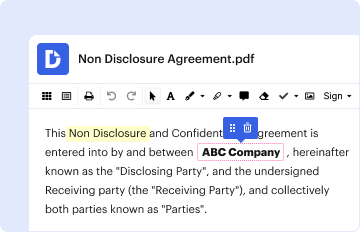
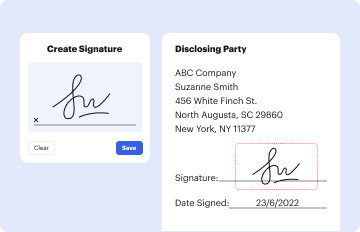
Fill Out the Form: Complete the form with required details, ensuring all information is accurate. Pay attention to accuracy in spelling both the legal and assumed names.
-
Notarize the Form: Some states require notarization to validate the authenticity of the submission.
-
Submit the Form: File the completed form with the appropriate state or county office, such as the County Clerk or the Secretary of State. Include any required fees.
Why Use an Assumed Name
Using an assumed name can be beneficial for several reasons:
-
Brand Identity: It allows businesses to create a memorable brand separate from the legal entity name.
-
Expansion Capabilities: Easier expansion into new markets or product lines without restructuring the business entity.
-
Privacy: Provides a layer of privacy by keeping the owner’s personal name out of the public business registry.
Legal Use of the Assumed Name
The legal use of an assumed name is governed by state statutes, ensuring that businesses do not impersonate other entities or engage in trademark infringement:
- Trademark Searches: Conduct a trademark search before registering to ensure the name is not already in use.
- Compliance: Once registered, businesses must use the assumed name in all legal and marketing materials.
State-Specific Rules for the Assumed Name
Each state in the U.S. has specific rules regarding assumed name registrations:
-
Registration Requirements: Some states require state-level registration, while others necessitate county-level filing.
-
Renewal Processes: Determine the need for periodic renewal, as some states mandate regular renewals to keep the name active.
Examples of Using the Assumed Name
Practical examples highlight various scenarios where businesses opt for an assumed name:
-
Independent Contractors: Freelancers using a unique brand name to market services rather than their personal name.
-
Franchise Operators: Operating under a franchise brand name to maintain consistency with larger corporate identity.
Filing Deadlines and Important Dates
Understanding critical timelines associated with filing an assumed name is crucial:
-
Initial Registration: Register as soon as the business begins operating under the new name.
-
Renewal Deadlines: Mark renewal dates on business calendars to avoid lapse in registration.
Required Documents for Filing the Assumed Name
Before filing, collect and organize necessary documents to streamline the application process:
-
Proof of Business Ownership: Legal documents proving business ownership or naming authority.
-
Identification: Government-issued ID of the person submitting the form to verify identity.
Form Submission Methods
Different methods exist for submitting the assumed name registration form:
-
Online Submission: Many states offer digital platforms for completing the filing process.
-
Mail-in Option: Traditional mailing remains an option; ensure accurate addresses and sufficient postage.
-
In-Person Filings: Visiting the county or state office can provide immediate confirmation of receipt.
Business Entity Types Benefiting from an Assumed Name
Certain business entity types commonly benefit from using an assumed name:
-
Sole Proprietorships: A cost-effective way to brand a business under a name other than the owner's.
-
Partnerships: Use assumed names to define different branches or arms of larger partnership operations.
By understanding these aspects of the Assumed Name form, businesses can effectively navigate the complexities of operating under a fictitious name, ensuring compliance and maximizing operational benefits.