
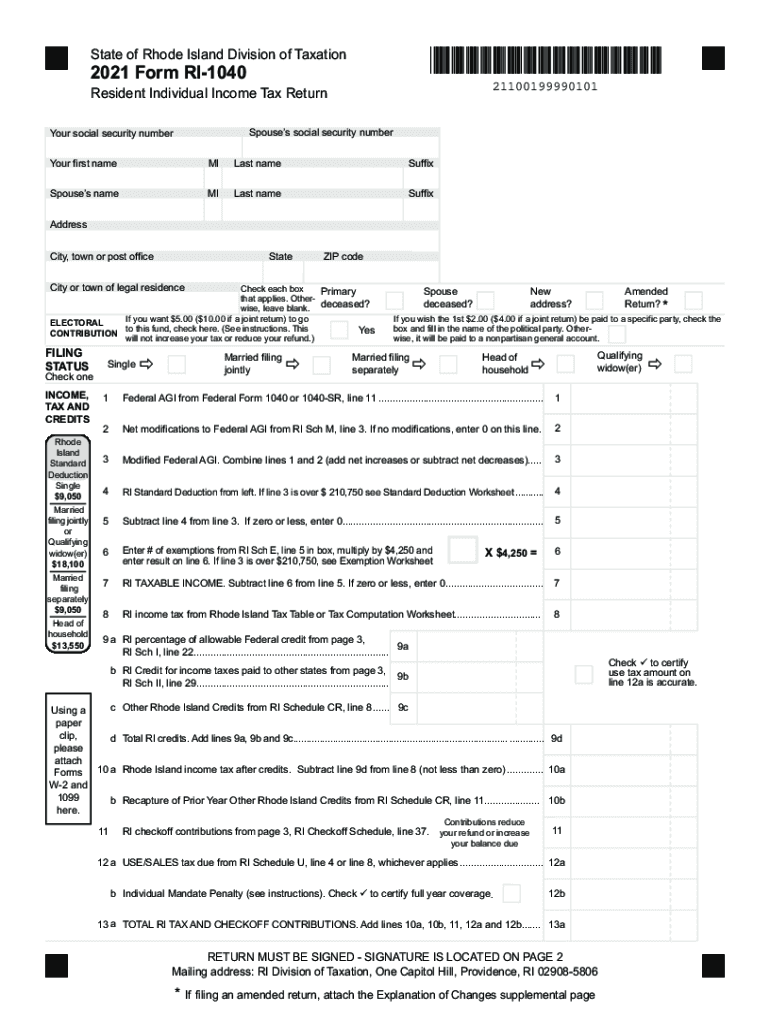







Definition and Meaning of Taxes Tax
The term "taxes tax" commonly refers to the system of levying financial charges or other levies upon an individual or legal entity by a governing body. Taxes are crucial for government funding, supporting public services such as infrastructure, education, and healthcare. In the United States, taxes are imposed at various levels, including federal, state, and local, each with specific regulations and purposes. The IRS, or Internal Revenue Service, is the federal agency responsible for tax collection and tax law enforcement. Understanding taxes is vital for compliance and optimizing financial planning.
How to Use the Taxes Tax System
Using the tax system efficiently involves understanding your obligations and your potential advantages. For individuals and businesses:
- Determine Tax Obligations: Identify which taxes apply to you based on income, property, and transactions.
- Utilize Deductions and Credits: Take advantage of deductions (e.g., mortgage interest) and credits (e.g., Earned Income Tax Credit) to reduce taxable income.
- Stay Informed of Filing Requirements: Familiarize yourself with specific tax forms and schedules relevant to your situation.
- Plan for Payments: Implement a strategy for withholding taxes appropriately through payroll or make estimated tax payments if you're self-employed.
- Maintain Proper Documentation: Keep an organized record of financial activities to substantiate claims and facilitate accurate filings.
Steps to Complete the Taxes Tax Process
Navigating the tax process can become seamless through structured steps:
- Gather Necessary Documents: Collect W-2s, 1099s, deductions receipts, and any relevant investment forms.
- Choose the Right Tax Form: Depending on your situation, select forms like the 1040, 1040A, or 1040EZ.
- Complete the Forms: Fill out the necessary sections, detailing your income and eligible deductions and credits.
- Verify Accuracy: Double-check each entry against your documents to avoid errors leading to audits or penalties.
- Submit Your Return: File online for quicker processing and confirmation, or send via mail with adequate time before deadlines.
- Settle Taxes Due: If taxes are owed, ensure payment is made by the due date to avoid interest and penalties.
Important Terms Related to Taxes Tax
Understanding key tax-related terminology improves comprehension and effective management:
- Adjusted Gross Income (AGI): Your gross income minus specific deductions, pivotal for determining tax liability.
- Taxable Income: The portion of income subject to taxes after deductions and exemptions.
- Exemptions: Specific allowances that reduce taxable income; these can include personal exemptions.
- Standard Deduction: A flat amount reducing taxable income for eligible filers not itemizing.
- Itemized Deductions: Specific expenses allowed by the IRS to be subtracted from AGI for a tailored tax liability basis.
IRS Guidelines and Compliance
IRS guidelines ensure transparency in tax practices and provide instructions for taxpayers:
- Access to IRS Publications: Utilize IRS resources for detailed guidance on deductions, credits, and filing processes.
- Adherence to Tax Laws: Stay updated on changes in tax regulations to ensure compliance.
- Use of Electronic Systems: E-file is encouraged for faster and more secure submissions.
- Respond to Notices Promptly: If the IRS requests more information or issues a notice, respond decisively to resolve any discrepancies.
Filing Deadlines and Important Dates
Staying informed of deadlines facilitates timely compliance:
- Federal Tax Deadline: Usually April 15th unless it falls on a weekend or holiday.
- Estimated Tax Payments: Quarterly deadlines typically on April 15, June 15, September 15, and January 15.
- State Tax Deadlines: Often coincide with federal but check as they may differ by state.
- Extension Requests: Can be filed usually by the original due date, granting six months further to submit detailed returns.
Required Documents for Taxes Tax
Essential documents streamline the filing process and substantiate your return particulars:
- Income Statements: W-2s, 1099s for various income sources.
- Receipts for Deductions: Proof of deductible expenses, such as charitable contributions and business expenses.
- Statements of Interest/Dividends: Documents like 1099-INT for bank interest and 1099-DIV for dividends.
Legal Use of Taxes Tax System
Legal compliance in using the tax system is mandatory:
- Filing Truth and Accuracy: Declare all sources of income honestly and complete forms without distortion.
- Lawful Deductions: Only claim legitimate expenses with appropriate documentation.
- Fraud Prevention: Engaging in schemes to evade taxes is illegal, with heavy penalties for non-compliance.
Developing a comprehensive understanding of these elements ensures smooth navigation through tax obligations, maximizing benefits, and maintaining lawful practices.




