




01. Edit your form online
Type text, add images, blackout confidential details, add comments, highlights and more.

Type text, add images, blackout confidential details, add comments, highlights and more.

Draw your signature, type it, upload its image, or use your mobile device as a signature pad.

Send it via email, link, or fax. You can also download it, export it or print it out.
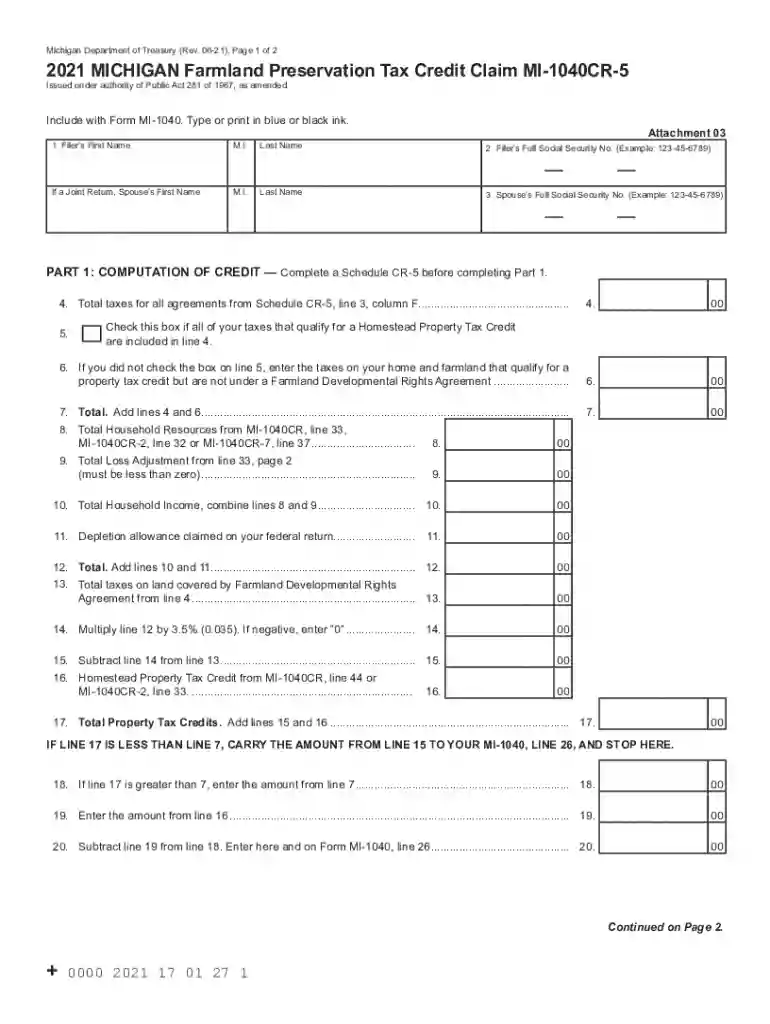
The Michigan Reset Form is typically associated with specific processes governed by the Michigan Department of Treasury. Its main purpose is to facilitate the resetting or re-establishing of particular taxpayer or business information on record. The form ensures accurate updates, preventing potential discrepancies in state records. Often used for correcting details like personal identification, tax information, or business data, it plays a vital role in maintaining precise records for compliance and administrative accuracy.
Download and Access the Form: Obtain the fillable PDF version from a trusted source like DocHub to ensure compatibility and compliance.
Review Instructions: Carefully read any accompanying guidelines to understand the required information and procedural steps.
Enter Personal or Business Details: Fill in the necessary personal or business information accurately. This might include names, addresses, identification numbers, or specific details relevant to the reset request.
Specify the Reset Request: Clearly indicate the specific aspects of your information that need updating or correcting. This section should include detailed explanations or reasons for the change.
Attach Supporting Documents: Include any necessary documentation that substantiates your request for resetting the information.
Sign and Submit: Affix your electronic signature using DocHub's legally binding signature tool and submit the form through the specified method, whether it is online submission, mail, or in-person delivery.
Identification Information: This includes the taxpayer or business identifying details critical for the reset process.
Description of Change: A section dedicated to explaining what information is being reset and why the reset is necessary.
Supporting Documentation: Any evidence required to corroborate the need for modifying the records, such as previous tax documents or identification verification forms.
Authorization and Signature: A field for the individual or authorized representative to provide consent and verification through signature.
When using the Michigan Reset Form, it’s crucial to adhere to specific state rules and guidelines:
Eligible Changes: Ensure that the changes requested via the reset form are permissible under Michigan state regulations.
Submission Methods: Be aware of the state-mandated submission channels; certain updates might necessitate in-person verification.
Deadline Considerations: Some updates must occur within specified periods, especially if they pertain to fiscal or business tax cycles.
Using the Michigan Reset Form legally requires awareness of:
Data Protection Laws: Ensure adherence to state laws regarding data handling, particularly for business or personal information updates.
Compliance with Treasury Regulations: All changes must comply with Michigan Department of Treasury requirements to avoid penalties or legal discrepancies.
The form is widely used by:
Individual Taxpayers: Seeking to correct or update personal tax records.
Businesses and Corporations: Needing to rectify or update corporate records, identification numbers, or authorized representatives' details.
Accounting and Legal Professionals: On behalf of their clients for tax compliance or legal adherence.


Official State Websites: Download the form directly from Michigan’s official government portals or treasury sites to ensure authenticity and compliance.
Document Management Platforms: Utilize services like DocHub to access fillable and easy-to-manage versions.
In-Person at Local Offices: Visit designated state offices where forms may be distributed for public access.
Reset Request: The formal solicitation to alter recorded data.
Authentication: Processes that verify the identity of the individual or business seeking changes.
Supporting Documentation: Essential evidence required for processing updates.
Tax ID Corrections: An individual realizes that their SSN is incorrect on state tax records and uses the form to correct it before the tax filing deadline.
Business Name Update: A company changes its trade name and submits the reset form to ensure all state documents reflect the new designation.
Failure to properly complete or file the Michigan Reset Form when required can lead to:
Financial Penalties: Incorrect or late updates might incur fines.
Legal Consequences: Persistent inaccuracies in state records could lead to legal actions or additional scrutiny from tax authorities.
Different versions or alternatives might exist depending on the nature of the reset request:
Extended Forms for Specific Changes: Some reset actions might require more detailed documentation provided in separate forms.
Electronic vs. Paper Submissions: Depending on the update, either format might be preferred or required.
Ensure compatibility with modern software solutions:
Platforms Like DocHub: These facilitate the digital completion and signing of forms.
Accounting Software Integrations: Programs such as TurboTax or QuickBooks might support importing and managing accompanying tax records during the reset process.
Completing the Michigan Reset Form might necessitate certain documents:
Identification Papers: Such as state IDs or business certificates.
Previous State Filings: Documents or forms that need correction or have related updates.
We've got more versions of the Fillable Online michigan Reset Form Michigan Department of ... form. Select the right Fillable Online michigan Reset Form Michigan Department of ... version from the list and start editing it straight away!
At DocHub, your data security is our priority. We follow HIPAA, SOC2, GDPR, and other standards, so you can work on your documents with confidence.
Two free, fillable power-of-attorney forms prepared by the Kimble Center for Legal Drafting at Cooley Law School are now available on Michigans Elder Abuse
Dwyer is committed to get you your order quickly. We maintain inventory for most products at our Michigan City, IN USA location. Our dedicated shipping staff.Read more


