




01. Edit your form 1120 schedule j online
Type text, add images, blackout confidential details, add comments, highlights and more.

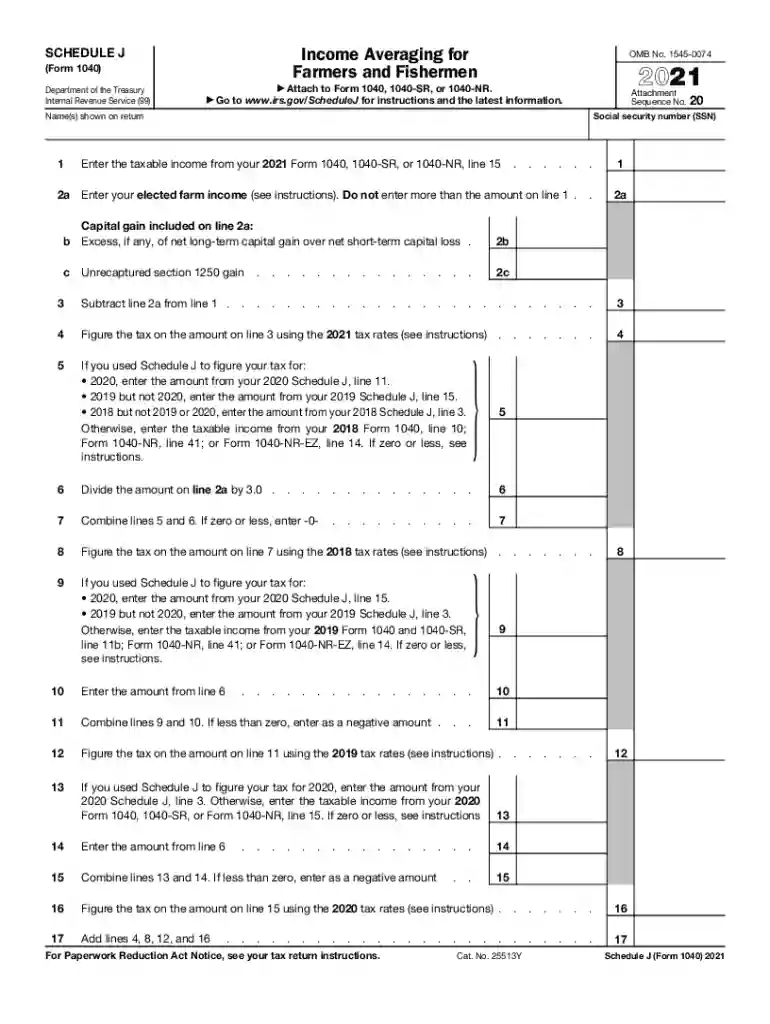
Type text, add images, blackout confidential details, add comments, highlights and more.

Draw your signature, type it, upload its image, or use your mobile device as a signature pad.

Send schedule j form 1120 via email, link, or fax. You can also download it, export it or print it out.
Schedule J Form 1120 is a tax form used by C corporations in the United States to report their income tax liabilities. It supplements the IRS Form 1120, U.S. Corporation Income Tax Return, specifically detailing the computation of tax liability for a corporation. The purpose of Schedule J is to provide a clear computation of the C corporation's total income tax liability, including any adjustments, deductions, and credits applicable to the given tax period. This form is essential for ensuring that the corporation accurately calculates the correct amount of taxes owed to the IRS.
Enter Taxable Income: Begin by noting the corporation's taxable income, which is derived from Form 1120. Ensure that all revenue streams, including gross receipts and sales, minus returns and allowances, are accurately reported.
Adjustments and Deductions: Incorporate any applicable deductions and adjustments. This may include statutory adjustments and specific credits that are available to the corporation.
Calculation of Regular Tax: Utilize the corporate tax rate schedule to compute the regular tax on the adjusted taxable income. Make sure this aligns with current tax laws and rate structures.
Other Taxes: Account for any additional taxes that apply, such as alternative minimum tax (AMT) or excess net passive income tax.
Tax Credits: Subtract applicable tax credits allowed under federal tax laws. This could involve general business credits, foreign tax credits, and any other specific credits the corporation qualifies for.
Compute Total Tax: Calculate the total tax liability by taking the sum of regular tax and other taxes, then subtracting the total allowable credits.
Final Review: Verify all entries for accuracy, ensuring that all appropriate computations and cross-references to Form 1120 are correct.
Taxable Income: The income amount subjected to taxation after all deductions and exemptions are considered.
Regular Tax: The standard income tax computed on the corporation's taxable income before adjustments for credits.
Alternative Minimum Tax (AMT): An alternative set of tax calculations intended to limit the benefits of preferential deductions and credits.
Tax Credits: Direct reductions applied against tax liability, which lower the total taxes owed.
Excess Net Passive Income Tax: A tax imposed on excess passive income in specific situations, usually impacting S corporations more frequently.
C corporations are usually required to file Form 1120, along with Schedule J, by the 15th day of the fourth month following the end of their tax year, commonly April 15th for calendar year filers. If the due date falls on a weekend or federal holiday, the deadline is extended to the next business day. Extensions for filing are available if requested prior to the deadline using IRS Form 7004, granting an automatic six-month extension.
Schedule J is primarily used by C corporations that are subject to federal income tax under the Internal Revenue Code. Corporations not aligned as S corporations, partnerships, or other exempt entity types must utilize Schedule J in conjunction with Form 1120. It's critical that the entity is established as a C corporation under applicable state laws and meets all IRS criteria to file using these forms.


Many tax software programs, like TurboTax Business and QuickBooks, support Schedule J by integrating it directly into their IRS Form 1120 filing modules. These platforms provide checklists, error-checking, and automated calculations to simplify the completion of the form. A corporation should ensure its chosen software is updated to the latest version to reflect any changes in tax laws or form structures.
We've got more versions of the form 1120 schedule j form. Select the right form 1120 schedule j version from the list and start editing it straight away!
| Versions | Form popularity | Fillable & printable |
|---|---|---|
| 2025 | 4.2 Satisfied (28 Votes) | |
| 2024 | 4.9 Satisfied (27 Votes) | |
| 2023 | 4.2 Satisfied (48 Votes) | |
| 2022 | 4.4 Satisfied (22 Votes) | |
| 2021 | 4.8 Satisfied (22 Votes) | |
| 2020 | 4.3 Satisfied (98 Votes) | |
| 2019 | 4.4 Satisfied (740 Votes) | |
| 2018 | 4.3 Satisfied (196 Votes) | |
| 2017 | 4.4 Satisfied (168 Votes) | |
| 2016 | 4.4 Satisfied (436 Votes) |
At DocHub, your data security is our priority. We follow HIPAA, SOC2, GDPR, and other standards, so you can work on your documents with confidence.
Total tax (Schedule J, line 11). 31. 32a. 32. 32b. 2000 estimated tax payments b Schedule A. Schedule C. Schedule E. Page 3. Page 3. Form 1120 (2000). TaxRead more
Sep 26, 2025 Total tax (Schedule J, line 12) . If Yes, complete Part I of Schedule G (Form 1120) (attach Schedule G) .Read more


