







Understanding IRS Tax Forms
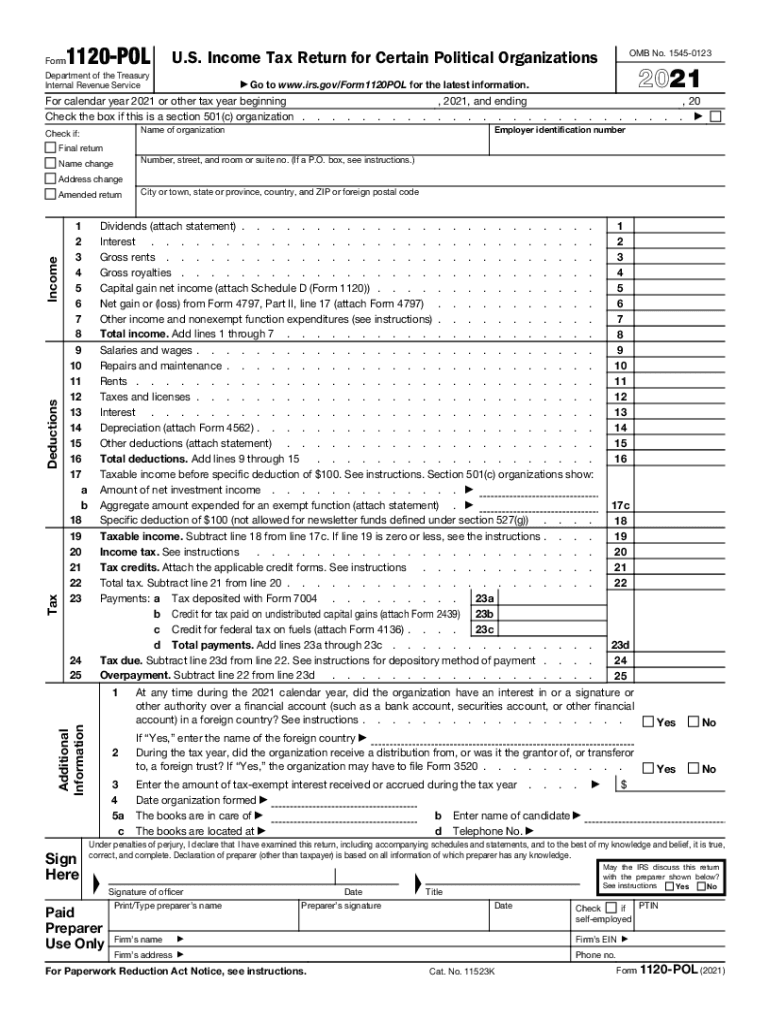
IRS tax forms are essential documents for United States taxpayers to report their financial information to the Internal Revenue Service. They encompass a wide array of forms designed for individual taxpayers, businesses, and specific types such as non-profit organizations or political entities. Each form serves different purposes, ranging from calculating personal income taxes to documenting business earnings and deductions.
How to Use IRS Tax Forms
Using IRS tax forms effectively requires understanding the purpose of each form and its specific sections. Taxpayers should:
-
Identify the applicable forms: Determine the specific forms needed based on your individual or business tax situation. Common forms include the 1040 for individual income tax, the 1120 for corporations, and the 941 for employer's quarterly federal tax returns.
-
Gather required information: Collect necessary financial documents, such as W-2s for wage reporting, 1099 forms for additional income, or invoices and receipts for deductions.
-
Complete the form accurately: Follow the instructions provided by the IRS for each section of the form, ensuring all calculations are correct and all fields are properly filled out.
-
Include all attachments: Some forms require additional schedules or supportive documents. Make sure to include them as directed to avoid delays in processing.
How to Obtain IRS Tax Forms
IRS tax forms are accessible through various channels:
- Online Access: Visit the official IRS website to download forms directly. This is the quickest and most convenient method.
- Physical Copies: Request forms by mail through the IRS website or by calling their toll-free number. Libraries and post offices may also have a limited stock of commonly used forms.
- Tax Software: Software like TurboTax or QuickBooks often includes built-in forms, guiding users through the completion process digitally.
Steps to Complete IRS Tax Forms
Filing tax forms efficiently involves several key steps:
-
Review instructions: Each form comes with detailed instructions provided by the IRS. Understanding these guidelines is essential for completing the form accurately.
-
Fill out personal information: Start by entering your name, address, taxpayer identification number, and other personal details as required.
-
Input financial data: Carefully enter financial details such as income, deductions, and credits. Double-check all amounts to ensure accuracy.
-
Calculate tax liability: Use the form to compute your total tax liability or refund. Rely on tax software or professional advice if calculations are complex.
-
Sign and date: Make sure to sign and date the form where required, as unsigned forms may be considered invalid.
-
Submit by due date: File the completed form along with any payments owed by the designated deadline to avoid penalties.
Commonly Used IRS Tax Forms and Their Purposes
Some of the most frequently used IRS tax forms include:
- Form 1040: Utilized by individual taxpayers to report income, deductions, and credits.
- Form W-2: Issued by employers to report wages paid to employees and taxes withheld.
- Form 1099: Used to report various types of income other than wages, like government payments or dividends.
- Form 1120: Filed by corporations to report income, gains, losses, deductions, and credits.
Each form corresponds to specific tax situations and requirements, making it crucial to choose the correct form for your needs.
Who Typically Uses IRS Tax Forms
Different tax forms cater to various taxpayer groups:
- Individuals: Typically use Form 1040 for personal income tax reporting.
- Self-Employed: Utilize Schedule C for business income and expenses.
- Corporations: File Form 1120 for corporate tax purposes.
- Non-Profit Organizations: Submit Form 990 to report financial operations and compliance.
Taxpayers should select forms relevant to their income sources, employment status, and organization type.
Important Terms Related to IRS Tax Forms
Understanding key terminology is vital when dealing with IRS tax forms:
- Adjusted Gross Income (AGI): Total income minus specific deductions, crucial for determining tax liability.
- Standard Deduction: A flat reduction in income eligible for taxation, which varies by filing status.
- Tax Credit: A dollar-for-dollar reduction of tax owed, more valuable than deductions.
- Tax Withholding: Amounts withheld from wages or payments for tax purposes, reported on forms like the W-2.
Familiarity with these terms aids in accurately completing forms and optimizing tax outcomes.
Penalties for Non-Compliance
Failure to properly file IRS tax forms or meet deadlines can lead to significant penalties:
- Late Filing: A penalty is charged for filing past the due date without an extension.
- Underpayment: Interest and additional fees may apply if taxes owed are underestimated.
- Accuracy-Related Penalties: These may occur if there's a substantial understatement of tax or negligence.
Taxpayers can avoid these penalties by ensuring timely, accurate filings and by utilizing tax planning resources.
IRS Filing Deadlines and Important Dates
Adhering to key IRS deadlines is crucial for tax compliance:
- April 15: Typically the due date for individuals filing Form 1040.
- March 15: The deadline for corporate tax returns on Form 1120-S.
- Quarterly Estimated Taxes: Payments for self-employed individuals or those with significant untaxed income are due four times annually.
Marked calendars and reminders help ensure all forms and payments are submitted on time.




