How much rent can I afford making $17 an hour?
Making $17/hour (around $2,900/month gross), you can likely afford $870 to $1,000 in rent by following the standard 30% gross income rule, but it gets tight; aiming for $700-$800 or finding a roommate, especially in high-cost areas, offers more financial breathing room for other bills, savings, and debt. 1. Calculate Your Gross Income: $17/hour * 40 hours/week * 52 weeks/year = $35,360/year. $35,360 / 12 months = ~$2,947 per month (gross income before taxes). 2. Apply the 30% Rule: $2,947 (gross monthly income) and 0.30 = ~$884/month for rent. 3. Consider Other Factors Adjustments: Lower is Better: If you have debt (student loans, car payments) or high utility costs, aiming for less than 30% (e.g., $700-$800) provides a healthier budget. Location Matters: In expensive cities, 30% might be unrealistic, requiring you to spend more or find roommates. Take-Home Pay: After taxes and deductions (around 20-25% depending on location), your take-home pay is closer to $2,200-$2,300, making rent under $900 feel tighter. Roommates: Sharing costs DocHubly lowers your individual burden, allowing more flexibility. The Bottom Line: Aim for around $800-$900 as a starting point, but be prepared to go lower (around $700) or get roommates to avoid being house poor and have money for essentials like food, gas, savings, and emergencies. AI can make mistakes, so double-check responsesIs it possible to live on your own, making $17/hour? - RedditMar 3, 2023 Maybe just for this school year to get some extra cash before u go to school ? Parents need dependable help badly. RedditHow Much Rent Can I Afford Making $17 an Hour? - WalletHubMar 26, 2025 You can afford to spend up to 30% of your gross income on rent, according to most financial experts, which means you cWalletHub
How much should you make to afford $2500 rent?
To afford $2,500 in rent using the standard 30% rule (rent should be ~30% of gross income), you generally need an annual salary of about $100,000, which breaks down to roughly $8,333 per month before taxes. However, this can vary, with some using the 50/30/20 rule (50% needs, 30% wants, 20% savings) or considering other factors like location, debt, and utilities. The 30% Rule (General Guideline) Calculation: Divide your desired rent by 0.30. Example: $2,500 / 0.30 = ~$8,333 per month gross income. Annual Income: ~$8,333 x 12 = ~$100,000. Using the 50/30/20 Rule (More Detailed Budget) This rule suggests allocating your net (after-tax) income: 50% for Needs: Rent, groceries, utilities, insurance, minimum debt payments. 30% for Wants: Dining out, entertainment, shopping. 20% for Savings/Debt: Retirement, investments, extra debt payments. How it applies: If $2,500 is your only need, youd need to comfortably cover other needs and wants within your budget, potentially requiring more than the basic $100k salary if other essential needs are high. Factors That Influence Affordability Location: High-cost-of-living areas may require a higher income. Utilities: Factor in electricity, gas, internet, etc., as these add to your total housing cost. Debt: High student loans or car payments reduce the income available for rent. Lifestyle: If you spend heavily on wants, $2,500 might stretch your budget thin. In Summary Aim for a gross annual income of around $100,000, but use a personalized budget or rent calculator to see if your specific expenses (debt, savings, utilities) make $2,500 feasible for you. AI can make mistakes, so double-check responsesHow Much Rent Can I Afford? - Rent Affordability Calculator | RedfinIf you make $30,000 a year, you can afford to spend $750 a month on rent. If you make $40,000 a year, you can afford to spend $1,0RedfinHow Much Rent Can I Afford? - Rent Affordability Calculator | ZillowZillow
Can I afford $1000 rent making $20 an hour?
Making $20/hour (around $3,200/month gross), $1,000 rent is tight but potentially manageable, though it stretches the typical 30% rule ($960) and requires careful budgeting for all other expenses like utilities, food, transportation, and savings. Youd be spending about 30-38% of your gross income, so its crucial to track all your spending and use methods like the 50/30/20 rule (Needs/Wants/Savings) to ensure you can cover everything else and save, or consider a roommate to lower costs. Heres a breakdown: Gross Monthly Income (approx.): $20/hour x 40 hours/week x 4.33 weeks/month = ~$3,464 (some estimates say $3,200-$3,500). 30% Rule: 30% of $3,464 is ~$1,039, making $1,000 rent seem close to the guideline, but it leaves little room. Actual Take-Home: After taxes (federal, state, FICA), your net income will be lower, making $1,000 a bigger chunk. Key Considerations: Other Expenses: Factor in utilities (electricity, internet, gas), groceries, car payments, insurance, debt, and savings before deciding. Location: High-cost-of-living areas make this much harder; in cheaper areas, its more feasible. Lifestyle: If you have lots of debt or want to save aggressively, $1,000 rent might be too much. The 50/30/20 Rule: Aim for 50% ($~1732) for needs (rent, utilities), 30% ($~1039) for wants, and 20% ($~692) for savings/debt. Verdict: Its possible if youre diligent with budgeting and have few other major expenses, but its not ideal for building wealth quickly; consider roommates to bring rent down to $800-$900 to create more breathing room. AI can make mistakes, so double-check responsesHourly Pay to Rent Calculator - June Homes BlogJun 24, 2025June HomesHow much rent can I afford making 20 an hour? - QuoraMay 8, 2023 Estimated Rent at $20/hour: Working 40 hours a week at $20/hour typically results in a gross monthly income of $3200-$3Quora
What not to put on a rental application?
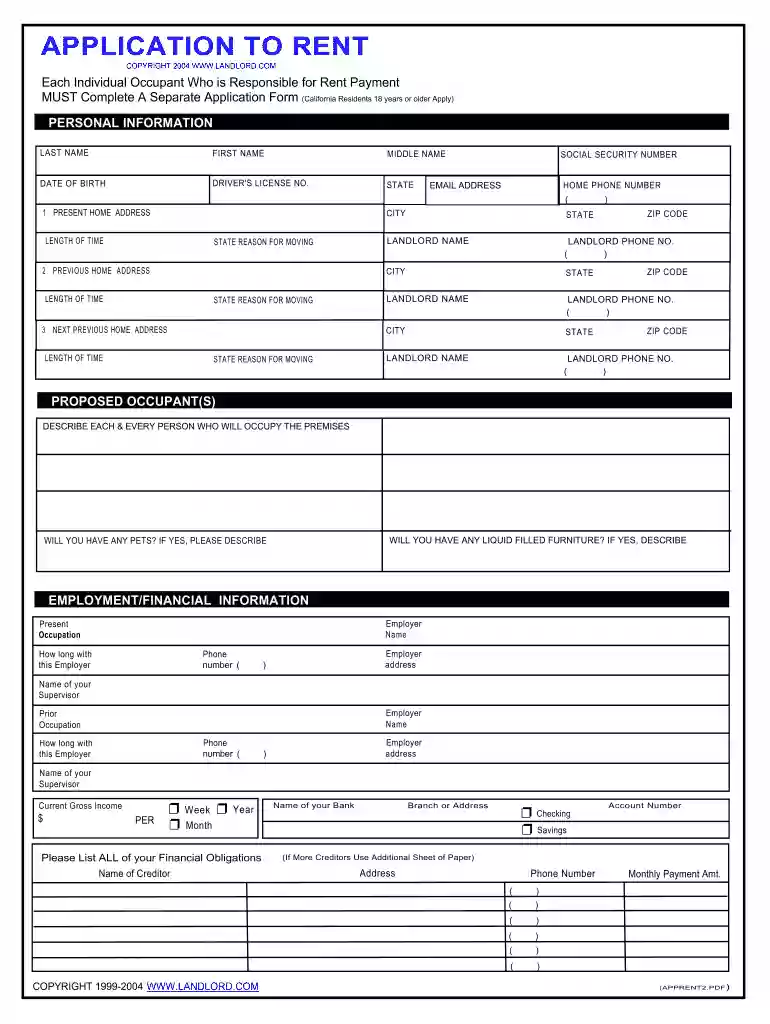
You should never put discriminatory information (race, religion, family status, etc.) or outright lies on a rental application, as this is illegal or grounds for denial; instead, focus on providing accurate, verifiable details about your income, credit, rental history (including past evictions/violations), and references, while being prepared for standard checks like background and credit reports. Avoid falsifying information or omitting key details like your SSN, as this raises red flags, and be honest about things like pets or smoking if the property has strict rules. What to avoid putting on the application (Discriminatory Illegal) Personal Characteristics: Race, ethnicity, national origin, gender identity, sexual orientation, religion, disability, marital status, or familial status (children). Source of Income: While landlords can screen for stable income, they generally cant deny you solely because your income comes from sources like housing vouchers (check local laws). Health Information: Details about health conditions or disabilities. What to avoid (Red Flags Inaccuracies) Lies Falsified Info: Any misrepresentation of employment, income, or history. Incomplete Info: Missing SSN, contact details, or financial documents can delay or deny your application. Excessive Upfront Cash: Offering huge sums upfront (beyond normal deposits/first months rent) can signal desperation or illicit activity. Overly Knowledgeable/Aggressive Tenants: While knowing your rights is good, being overly litigious or challenging every standard rule can be a warning sign for landlords. What to include (Essential Legal) Proof of Income: Pay stubs, bank statements, tax returns. Credit/Background Info: Consent to a credit and background check (SSN required). Rental History: Previous addresses, landlord contact info, and dates of tenancy. Employment History: Current and past employers. References: Strong personal and/or previous landlord references. Key Takeaway Be transparent and honest, providing all necessary documentation for standard screening, while understanding that landlords cannot use protected characteristics to deny you housing. AI can make mistakes, so double-check responsesRental Application Process Mistakes Youre Making! | 7 Rental Jun 5, 2017 youre probably not going to be the first person I show the condo to so be sure when an agent asks you or an owner asksYouTube Matt LeightonThe dos and donts on a standard rental application - RentSpreeSep 20, 2022 It can be classified as discrimination by the Fair Housing Act if an application asks: The birthplace of the applicantRentSpree