




Definition & Meaning
The "SW-4 Form" is a standardized document used within the context of Shared Work programs, particularly those dealing with unemployment insurance laws in the United States. These programs are designed to provide financial benefits to employees who experience reduced work hours under an official work sharing arrangement. The SW-4 Form serves as a critical tool in navigating the regulations and reporting requirements associated with these benefits. It is essential for ensuring that both employees and employers are accurately recording work hours and wages during a period of reduced hours, which helps maintain compliance with state-specific unemployment insurance laws.
How to Obtain the SW-4 Form
Acquiring the SW-4 Form is a straightforward process, as it is typically made available through state government websites that oversee unemployment insurance and workforce development. Employers can often download the form directly from these sites. It may also be beneficial to contact local state unemployment offices to request a copy or to receive guidance on form completion. In some cases, employers might receive the form directly from their state's Department of Labor or equivalent agency, particularly if they are enrolled in a Shared Work program. Ensuring the form is the latest version is crucial, as regulations and requirements can change.
Steps to Complete the SW-4 Form
Completing the SW-4 Form involves several key steps to ensure all necessary information is captured accurately.
-
Employee Identification: Begin by filling in basic identifying information about the employee, such as their full name, Social Security number, and current position.
-
Employer Details: Include the employer's name, address, and contact information to associate the document with the correct business entity.
-
Work Hour Reporting: Accurately report the reduced work hours for the employee, comparing them to their typical full-time schedule to determine the difference.
-
Wage Information: Document the earnings received by the employee during this period, ensuring they reflect any reductions due to decreased hours.
-
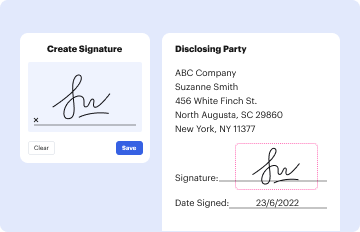
Certification: Both the employer and the employee must certify the accuracy of the information provided by signing and dating the form.
Key Elements of the SW-4 Form
The SW-4 Form comprises several critical sections designed to gather all relevant data related to a Shared Work arrangement.
- Personal Information: This includes the employee’s full name and Social Security number.
- Employment Data: The standard full-time work hours and the reduced hours during the Shared Work program.
- Wage Details: The employee’s earnings for the period in question, aligned with the reported hours.
Understanding these elements is vital for both parties to ensure compliance and accuracy in reporting, which in turn helps facilitate smoother processing and benefit distribution.
Legal Use of the SW-4 Form
The legal framework for using the SW-4 Form is grounded in compliance with state and federal unemployment insurance laws. The form is used to document the reduction in work hours due to a Shared Work Plan, which legally permits employees to claim partial unemployment benefits. It is important to accurately complete the form to avoid any legal disputes or potential penalties. Employers and employees must align with the criteria and regulations outlined by the state’s unemployment agency, ensuring that all declarations on the form are true and honest to maintain eligibility for shared work benefits.
State-Specific Rules for the SW-4 Form
Each state may have variations in its rules concerning the SW-4 Form, reflecting local employment laws and requirements for unemployment insurance. It is important to consult state-specific guidelines to ensure compliance. For instance, some states might require additional documentation or supplementary forms as part of their Shared Work program. Employers should stay informed about their particular state’s regulations, as this can affect both the completion and submission processes of the form. Being aware of these nuances helps in preventing delays or issues with benefit claims.
Penalties for Non-Compliance
Failure to correctly fill out or submit the SW-4 Form on time can result in significant penalties for both employers and employees. Potential repercussions include delays in processing benefit claims, denials of unemployment benefits, and potential fines or legal action against the employer for non-compliance with state unemployment insurance regulations. It is critical for both parties to ensure that the form is completed accurately and submitted within the specified deadlines to avoid these penalties. Proper adherence to the form requirements is essential for maintaining the integrity of the Shared Work benefits process.
Software Compatibility
The SW-4 Form can often be integrated with digital platforms, such as TurboTax or QuickBooks, allowing employers to streamline their compliance processes. This compatibility supports efficient data management and reporting, facilitating easier updates and amendments to employee information as required. Many states provide digital versions of the form which can be filled out and submitted online, enhancing convenience and accessibility. Employers should check software compatibility with their chosen platforms and ensure that they are using the latest form version to prevent any issues with data submission.


