







Definition and Meaning
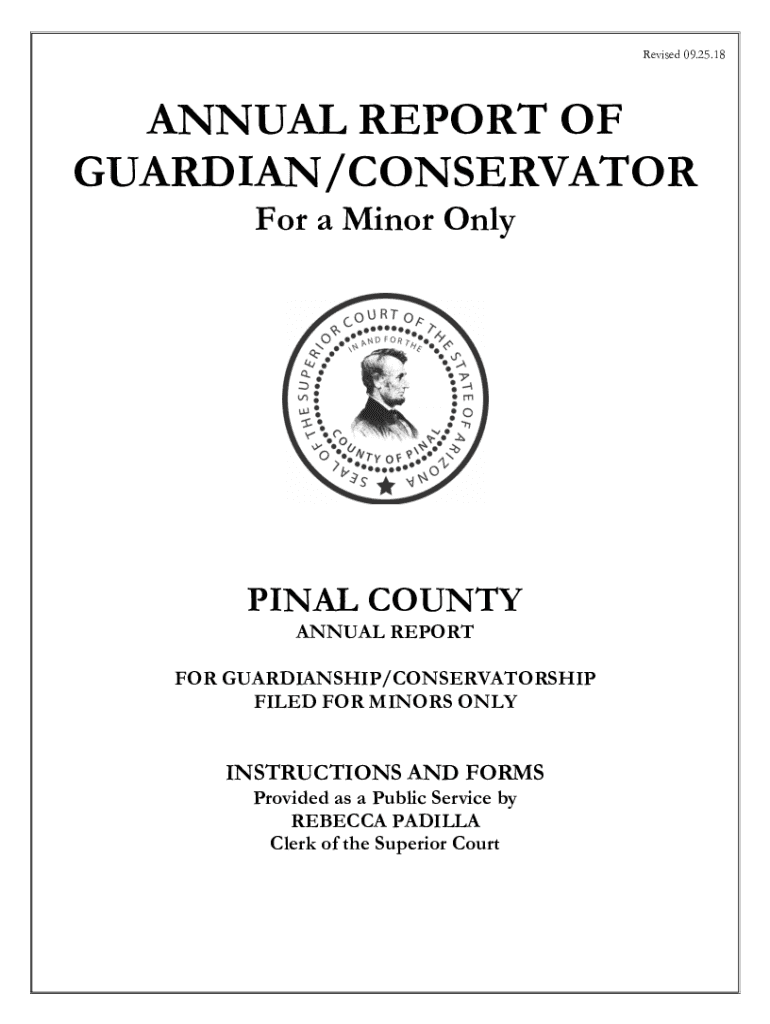
An annual report conservator refers to the formal document required annually by a conservator overseeing the affairs of a minor or legally incapacitated adult. This report is typically required by courts to ensure the conservator is managing the individual's affairs responsibly.
Purpose of the Annual Report Conservator
- Accountability: Ensures the conservator is regularly reviewed for the effective management of the conservatee's estate.
- Transparency: Provides a detailed account of how financial and personal decisions are made.
- Legal Compliance: Maintains adherence to state laws and regulations governing conservatorships.
Key Elements of the Annual Report Conservator
The annual report conservator includes sections that are critical to presenting a comprehensive overview of the conservator’s activities.
Detailed Sections
- Living Situation: Details on the conservatee's current living arrangements and conditions.
- Financial Status: Overview of financial management including income, expenses, and asset changes.
- Health and Well-being: Information on the conservatee's physical and mental health condition.
- Education or Services Received: Reports on educational progress or any agency services utilized.
Supporting Documentation
- Financial Records: Bank statements, receipts, and transaction histories.
- Medical Records: Updates or statements from healthcare providers.
- Invoices or Receipts: Evidence of payments made for services or goods provided to the conservatee.
Legal Use of the Annual Report Conservator
The legal use of this report is tightly regulated, with an emphasis on accuracy and honesty due to its sensitive nature.
Compliance and Consequences
- Court Approval: Must be submitted to a court, usually within the jurisdiction where the conservatee resides.
- Penalties for Non-Compliance: May include fines, removal from conservatorship, or legal action.
- Legal Representation: It's recommended to seek legal advice when preparing the report to ensure compliance.
Steps to Complete the Annual Report Conservator
A step-by-step guide ensures the report is completed accurately and comprehensively.
Detailed Process
- Gather Information: Collect all necessary records and documents related to finances, health, and personal arrangements.
- Fill Out the Report: Enter data into appropriate sections, ensuring it's accurate and complete.
- Attach Supporting Documents: Include necessary receipts, bank statements, and medical records.
- Review and Verify: Double-check all entries for accuracy and seek professional advice if needed.
- File the Report: Submit it to the court by the specified deadline, either through mail or online where applicable.
Important Terms Related to Annual Report Conservator
Understanding specific terminology is crucial for preparing the report correctly.
Glossary of Terms
- Conservatee: The individual under the conservatorship.
- Fiduciary Duty: The legal obligation of the conservator to act in the best interest of the conservatee.
- Asset Management: The handling of financial resources and properties of the conservatee.
Who Typically Uses the Annual Report Conservator
The users of this report vary based on circumstance and state requirements.


Typical Users
- Family Members: Often appointed as conservators to manage a relative’s affairs.
- Professional Conservators: Hired specifically for managing complex conservatorships.
- Legal Guardians: Individuals legally responsible for minors who require oversight.
State-Specific Rules for the Annual Report Conservator
Various states have distinct rules governing the details and submission of the annual report conservator.
Variability Across States
- Submission Deadlines: Deadlines can vary, typically aligning with the anniversary of appointment.
- Required Documentation: Specific requirements regarding documentation can differ; it's essential to check local laws.
Notable Examples
- Arizona: Requires submission annually on the appointment anniversary, with specific instructions on sections to be filled.
Filing Deadlines and Important Dates
Meeting deadlines is essential to maintain compliance and avoid penalties.
Key Timeframes
- Annual Submission: Reports are due on the anniversary of the conservatorship appointment.
- Extension Requests: Generally allowed under specific circumstances but must be petitioned in advance.
Impact of Timeliness
- Impact: Late submissions can result in fines or impact the conservator's standing with the court.




