Connecticut withdrawal 2026

Get Form
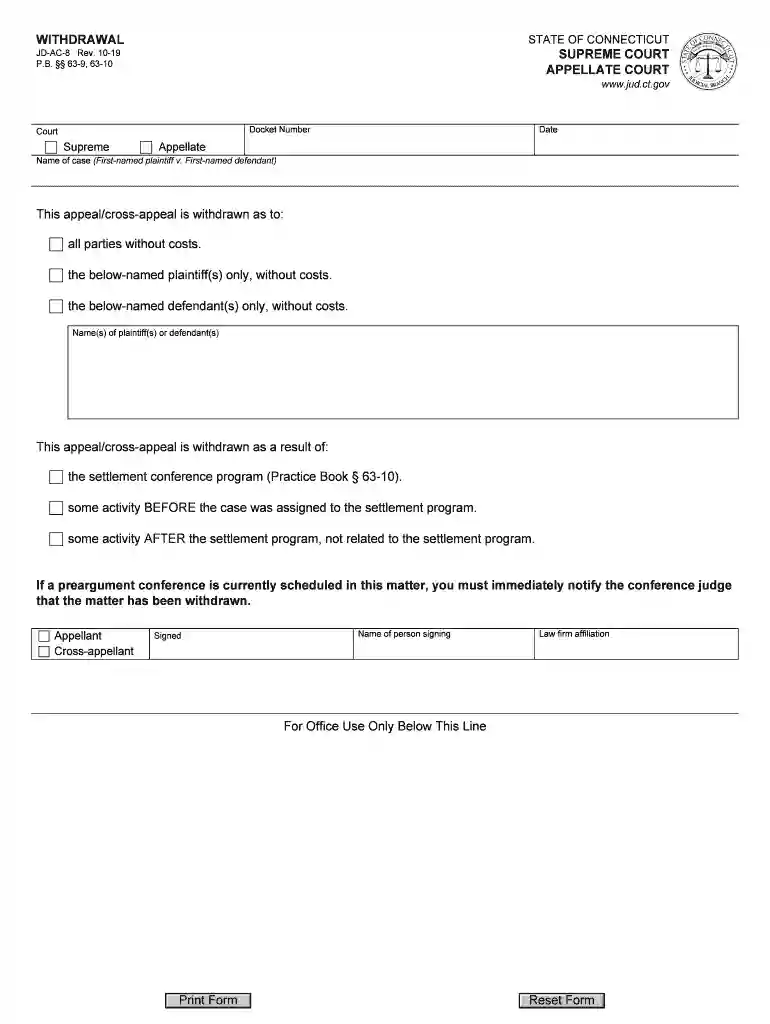
ct withdrawal form Preview on Page 1

Here's how it works

01. Edit your ct withdrawal form online
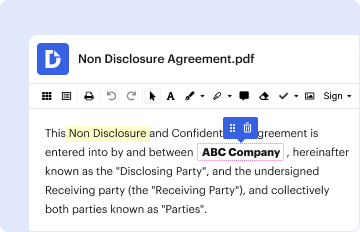
Type text, add images, blackout confidential details, add comments, highlights and more.

02. Sign it in a few clicks
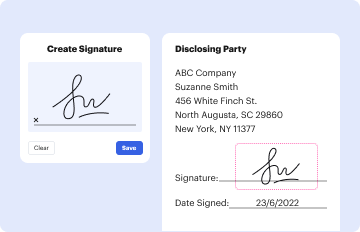
Draw your signature, type it, upload its image, or use your mobile device as a signature pad.

03. Share your form with others
Send connecticut withdrawal via email, link, or fax. You can also download it, export it or print it out.

How to use or fill out Connecticut Withdrawal with Our Platform

Form edit decoration
9.5
Ease of Setup
DocHub User Ratings on G2
9.0
Ease of Use
DocHub User Ratings on G2
  1. Click ‘Get Form’ to open the Connecticut Withdrawal document in the editor.
  2. Begin by entering the Docket Number and Court information at the top of the form. Ensure accuracy as this identifies your case.
  3. Fill in the Date field, which is essential for record-keeping purposes.
  4. In the Name of Case section, clearly state the names of the parties involved, formatted as 'First-named plaintiff v. First-named defendant'.
  5. Indicate whether the appeal/cross-appeal is withdrawn for all parties or specific plaintiffs/defendants by selecting the appropriate option.
  6. Specify the reason for withdrawal by choosing from options related to settlement conferences or activities before/after assignment to a settlement program.
  7. If applicable, note any scheduled preargument conference and ensure you notify the conference judge about the withdrawal.
  8. Finally, sign and print your name along with your law firm affiliation if relevant. Review all entries for completeness before submission.

Start using our platform today to fill out your Connecticut Withdrawal form easily and for free!

See more connecticut withdrawal versions

We've got more versions of the connecticut withdrawal form. Select the right connecticut withdrawal version from the list and start editing it straight away!
Versions Form popularity Fillable & printable
2019 4.8 Satisfied (145 Votes)
2003 4.4 Satisfied (116 Votes)
be ready to get more

Complete this form in 5 minutes or less

Get form

Got questions?

We have answers to the most popular questions from our customers. If you can't find an answer to your question, please contact us.
Contact us
You can use Connecticuts homestead exemption to protect your home, condominium, mobile or manufactured home, or co-op. Spouses can double the homestead exemption. (Conn. Gen Stat. How the Connecticut Homestead Exemption Works - Bankruptcy - Nolo Nolo legal-encyclopedia connecticut Nolo legal-encyclopedia connecticut
Connecticut is also nicknamed the Nutmeg State. The sobriquet, the Nutmeg State, is applied to Connecticut because its early inhabitants had the reputation of being so ingenious and shrewd that they were able to make and sell wooden nutmegs. Sam Slick (Judge Halliburton) seems to be the originator of this story.
Connecticut divorce laws follow the equitable distribution approach, which is rarely a 50/50 split. Rather, a court will divide a couples marital property fairly, although not always equally, using a laundry list of factors to determine how assets should be awarded. Division of Property in Connecticut - DivorceNet DivorceNet connecticut ctfaq08 DivorceNet connecticut ctfaq08
Unlike some other states, Connecticut law doesnt provide a redemption period for foreclosed homeowners after a foreclosure sale. Instead, the redemption period happens before the Law Day (applicable to strict foreclosures) or before the sale (decree of sale foreclosures).
The parent or person having control of a child seventeen years of age may consent, as provided in this section, to such childs withdrawal from school. Such parent or person shall personally appear at the school district office and sign a withdrawal form.

Security and compliance

At DocHub, your data security is our priority. We follow HIPAA, SOC2, GDPR, and other standards, so you can work on your documents with confidence.

Learn more
ccpa2
pci-dss
gdpr-compliance
hipaa
soc-compliance

People also ask

Connecticut has a limited stand-your-ground law that applies in very specific circumstances. Unless you are in your home or office, you have a duty to retreat if you can safely do so without risk of harm to yourself or others. Self-Defense Laws in Connecticut - Lebedevitch Law Firm Lebedevitch Law Firm self-defense-laws-in-connecti Lebedevitch Law Firm self-defense-laws-in-connecti
Connecticut is a sovereign state of the United States of America. Connecticut became the 5th state in 1788 and has its own constitution. About Connecticut - Buy CT Bonds Buy CT Bonds why-buy-ct-bonds abou Buy CT Bonds why-buy-ct-bonds abou

official withdrawal form