



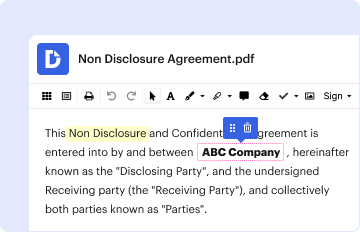
01. Edit your tc 159 online
Type text, add images, blackout confidential details, add comments, highlights and more.

Type text, add images, blackout confidential details, add comments, highlights and more.
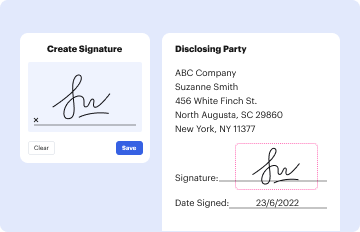
Draw your signature, type it, upload its image, or use your mobile device as a signature pad.
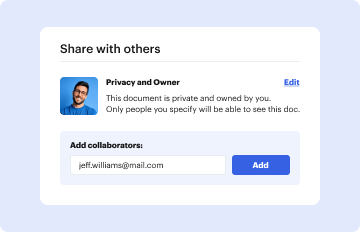
Send tc159 via email, link, or fax. You can also download it, export it or print it out.
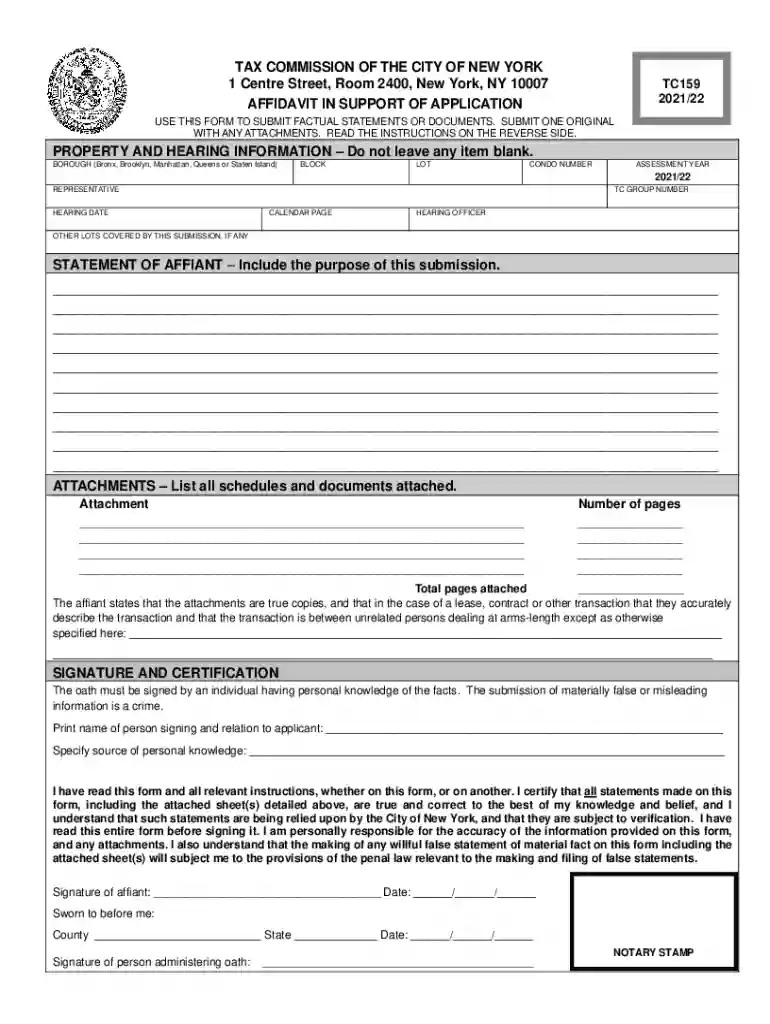
Form TC159, known as the Affidavit in Support of Application, is issued by the Tax Commission of the City of New York. It is used for document submissions related to property assessment appeals for the tax year 2021/22. The form serves as a formal statement where the affiant provides factual information supporting their application, impacting the assessed value of their property. This form plays a crucial role in property tax assessment appeals by allowing property owners to submit relevant details and documentation that may affect the valuation process.
Using Form TC159 involves several key steps to ensure accurate and effective representation in property assessment appeals. Property owners or their designated representatives must:
By following these steps, applicants can effectively utilize Form TC159 to influence adjustments to their property assessment.
Form TC159 can be obtained through various channels to facilitate easy access for applicants. These include:
Applicants should ensure they are using the latest version of the form to prevent any processing delays or rejections.
Completing Form TC159 requires careful attention to detail to ensure all necessary information is accurately represented. The process involves:
Property Information: Enter details about the property, including its address, block, and lot number, to identify it clearly.
Affiant Information: Provide the name, address, and signature of the individual submitting the affidavit, known as the affiant.
Purpose of Submission: Clearly outline the reasons for submitting the affidavit, focusing on factors affecting the property’s tax assessment.
Supporting Documentation: Attach relevant documents that support the claims made within the affidavit.
Notarization: Have the completed form notarized to confirm the authenticity of the statements and affirm the identity of the affiant.
Following these steps ensures that the form is correctly completed and ready for submission.
Form TC159 includes several critical elements that applicants must address to strengthen their case during a property tax appeal:
These components collectively form the backbone of a persuasive appeal, potentially leading to favorable assessment outcomes.
Form TC159 serves an official purpose as a legally binding document within the context of property tax assessment. It permits property owners to:
By its legal design, the form protects both the integrity of the tax assessment system and the rights of property owners seeking assessment adjustments.
Understanding key terms related to Form TC159 ensures that applicants navigate the process effectively:
Familiarity with these terms allows applicants to better comprehend the instructions and requirements of Form TC159.
Form TC159 is practically used by property owners in diverse scenarios:
Each usage example underscores the varied ways in which Form TC159 can be applied to align property assessments with reality.
We've got more versions of the tc 159 form. Select the right tc 159 version from the list and start editing it straight away!
eSignatures are a great alternative to traditional signing, as they save time, effort, and money people spend on printing, scanning, and paper delivery. You can eSign your tc159 utilizing a reliable and robust online document management tool like DocHub. It complies with primary eSignature policies (ESIGN and UETA), so all documents approved there are legally binding and have the same validity as manually signed ones.
You may easily fill out, edit, and even eSign your tc159 utilizing DocHub. Create a new account and start your free trial. After that, you may add the document with the form and easily make all the required edits. No need to print on paper or use a third-party application to sign it, as you can place your electronic signature on your document faster through DocHub.
At DocHub, your data security is our priority. We follow HIPAA, SOC2, GDPR, and other standards, so you can work on your documents with confidence.


