




Here's how it works

01. Edit your 7530 1 online
Type text, add images, blackout confidential details, add comments, highlights and more.

02. Sign it in a few clicks
Draw your signature, type it, upload its image, or use your mobile device as a signature pad.

03. Share your form with others
Send epa form 7530 1 via email, link, or fax. You can also download it, export it or print it out.
How to use or fill out form 7530 1 with our platform

- Click ‘Get Form’ to open it in the editor.
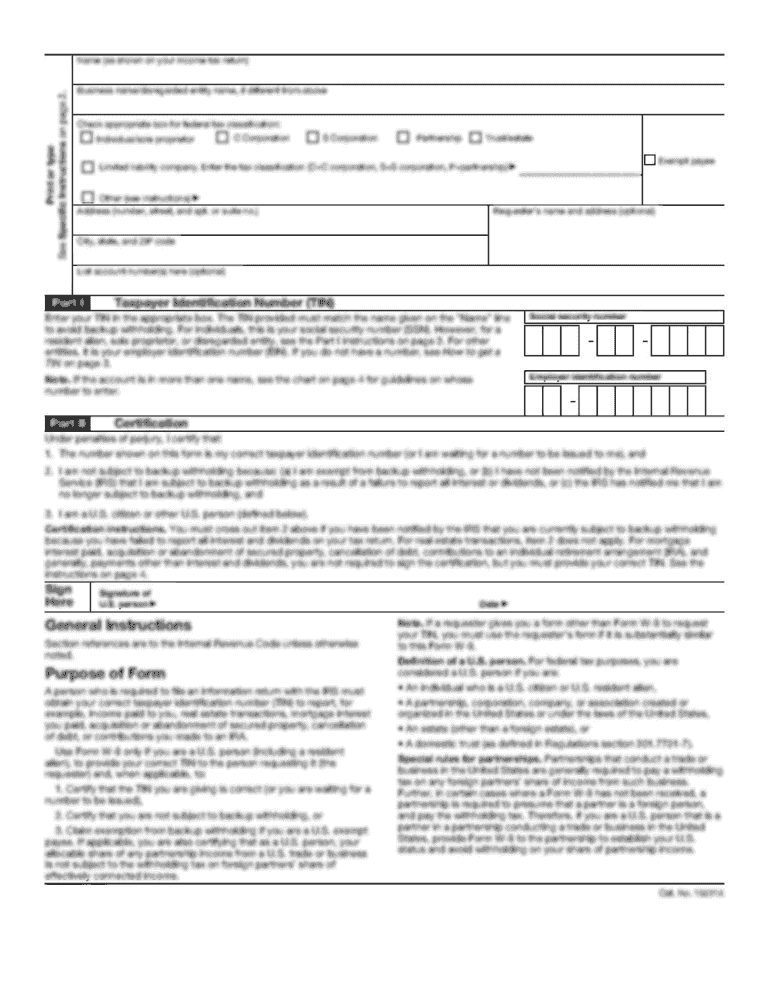
- Begin by filling out Section I, which requires the owner's name and address. Ensure accuracy as this information is crucial for identification.
- Proceed to Section II to provide the location of the underground storage tanks (USTs). You can enter coordinates in decimal degrees or degrees, minutes, and seconds.
- In Section III, select the type of owner from the provided options such as Federal, State, or Commercial. This helps categorize your submission correctly.
- Complete Section VI by entering the contact person's details who is responsible for the tanks. This ensures that communication regarding the USTs is streamlined.
- For Section VII, indicate how you meet financial responsibility requirements by checking applicable mechanisms. This section is vital for compliance with regulations.
- Finally, review all sections carefully before signing in Section VIII to certify that all information is accurate and complete.
Start using our platform today to fill out form 7530 1 easily and efficiently!
Fill out form 7530 1 online
It's free
It's free
Got questions?
We have answers to the most popular questions from our customers. If you can't find an answer to your question, please contact us.
Contact us
What are the requirements of a water storage tank?
Consider factors such as durability, corrosion resistance, UV resistance, and cost when selecting the tank material. Additionally, ensure that the tank construction meets industry standards and is designed to withstand environmental conditions prevalent , such as temperature fluctuations and seismic activity.
What do you do if you identify an underground storage tank?
If you do discover a UST on your land, stop your work immediately and assess the situation. If you determine that there is any chance whatsoever of a leak, here are a few steps to take, as recommended by the EPA: Try to stop and contain the leak as quickly as possible. Call your local or state regulatory agency.
What types of tanks are exempt from federal regulations for underground storage tanks?
What types of tanks are exempt from federal UST regulations? stormwater and wastewater; Flow-through process tanks; Tanks of 110 gallons or less capacity; and Emergency spill and overflow tanks.
What are the requirements for an NFPa storage tank?
All tanks under 20,000 gallons must have, at a minimum, a 4-inch fire outlet with an internal anti-vortex plate that must sit 6 above the tank floor. These tanks must also have a minimum of a 4 valve and a male adapter with a cap to protect the threads.
What is an acceptable way to decommission an underground storage tank?
A typical underground storage tank removal process includes the following steps: Notify state and local governments. Hire a licensed UST contractor. Monitor vapors. Remove residual and clean the tank. Excavate the tank. Decontaminate the tank. Remove and dispose of the tank and contaminated soil. Collect confirmation samples.
Security and compliance
At DocHub, your data security is our priority. We follow HIPAA, SOC2, GDPR, and other standards, so you can work on your documents with confidence.
Learn more


Related forms
Release Of Memorandum Of Contract Template
The document is a Release of Memorandum of Contract between two parties, Party A and Party B, which formally releases th ...
Land Access Agreement Template
The Land Access Agreement is a legal document between a Landowner and an Access Party that outlines the terms and condit ...
Staff Confidentiality Agreement Template
The Staff Confidentiality Agreement outlines the responsibilities of employees regarding the protection of the Company's ...
Legal Retainer Agreement Template
The Legal Retainer Agreement outlines the terms between a Client and a Law Firm for the provision of legal services. It ...
Work To Be Done Contract Template
The document is a Work to Be Done Contract between a Client and a Contractor, outlining the terms of engagement for spec ...
Work To Be Performed Contract Template
This document is a Work To Be Performed Contract between a Client and a Contractor, outlining the responsibilities, scop ...
Educational Consultant Agreement Template
The Educational Consultant Agreement outlines the terms and conditions under which a Consultant will provide educational ...
Employee Outsourcing Agreement Template
The Employee Outsourcing Agreement outlines the terms and conditions under which an Outsourcing Company provides employe ...
People also ask
What are the federal underground storage tank regulations require?
3.2 Requirements for USTs All underground storage tanks (USTs) must have equipment for spill and overfill prevention, leak detection, and corrosion protection (40 CFR 280 Subpart C and D). Only trained personnel who follow standard procedures may new tanks or close existing tanks (40 CFR 280.20(e)).
What are the OSHA requirements for fuel storage tanks?
For example, OSHAs guidelines for fuel storage emphasize keeping fuel tanks away from areas where workers are present. They also advise not stacking tanks over 30 gallons and storing large containers in fire-resistant cabinets. These measures prevent accidents and ensure a safer workplace for all employees.