






Definition & Meaning
Chapter 3301-37 of the Administrative Code Preschool Program outlines the regulatory framework for preschool programs in Ohio. This section of the code specifies the standards and requirements that preschool programs must meet to ensure a safe, educational, and nurturing environment for young children. The code is designed to guide the operation of preschools, ensuring compliance with state laws and fostering an optimal learning space for early childhood development. It encompasses various aspects, including curriculum design, teacher qualifications, facility standards, and health and safety guidelines.
How to Use the Chapter 3301-37 of the Administrative Code Preschool Program
To utilize Chapter 3301-37 effectively, preschool administrators and educators should thoroughly review the code to understand the specific requirements applicable to their programs. The following steps can guide usage:
- Identify Relevant Sections: Determine which parts of the code are directly applicable to your preschool, focusing on areas like staffing, curriculum, and facilities.
- Implement Guidelines: Apply the standards in daily operations, ensuring compliance with health, safety, and educational requirements.
- Regular Training: Conduct regular training sessions for staff to ensure everyone is aware of and understands these regulations.
- Monitoring & Evaluation: Establish procedures for ongoing compliance monitoring and evaluation of preschool practices against the code’s standards.
Steps to Complete the Chapter 3301-37 of the Administrative Code Preschool Program
Completing adherence to Chapter 3301-37 involves several steps that preschool directors must follow:
- Review the Code in Detail: Familiarize yourself with all sections and requirements.
- Assess Current Practices: Evaluate how current practices measure up against the code.
- Plan Updates: Develop a plan to address any areas not meeting standards.
- Implement Changes: Carry out necessary changes in curriculum, staffing, and facility management.
- Documentation: Keep detailed records of compliance and any processes related to adhering to the guidelines.
- Program Evaluation: Continuously assess program performance and uptake of standards through self-reviews and audits.
Who Typically Uses Chapter 3301-37 of the Administrative Code Preschool Program
Chapter 3301-37 is primarily utilized by individuals and entities involved in early childhood education in Ohio, such as:
- Preschool Administrators: Responsible for implementing and maintaining compliance with the code requirements to ensure program integrity.
- Early Childhood Educators: Must adhere to the curriculum and educational standards set forth to deliver quality early education.
- Regulatory Agencies: Use the code to evaluate, approve, and monitor preschools within the state.
- Parents and Guardians: May refer to the code to understand the standards being met by the preschool their child attends.
Key Elements of the Chapter 3301-37 of the Administrative Code Preschool Program
Important components of the code include:
- Staff Qualifications: Detailed requirements for teacher certification and ongoing professional development.
- Curriculum Standards: Guidelines dictating the educational content and methods that should be employed.
- Health and Safety Requirements: Protocols for ensuring the physical well-being and safety of children.
- Facility Standards: Specifications for the physical environment of the preschool, including space, equipment, and sanitation.
State-Specific Rules for the Chapter 3301-37 of the Administrative Code Preschool Program
Ohio has specific regulations under Chapter 3301-37 that may differ from other states:
- Licensing Procedures: Ohio prescribes a comprehensive licensing process for preschool programs, including stringent assessments and renewals.
- State-Funded Programs: Protocols specifically related to preschools that receive state funding or grants.
- Local Variations: There may be additional requirements imposed by city or county regulations that complement the state code.
Examples of Using the Chapter 3301-37 of the Administrative Code Preschool Program
Consider the following scenarios illustrating the application of the code:
- Health Protocols: A preschool revises its health check procedure based on updated health requirement sections to reduce the spread of communicable diseases.
- Curriculum Overhaul: An educator uses the curriculum guidance to introduce new learning modules focusing on both cognitive and motor skill development.
- Facility Improvement: An administrator enhances the outdoor play area facilities after reviewing the code’s guidelines on safe and adequate play environments.
Required Documents for Compliance with Chapter 3301-37
To comply with Chapter 3301-37, preschools need to prepare necessary documentation, including:
- Staff Qualifications: Copies of teacher certifications and professional development records.
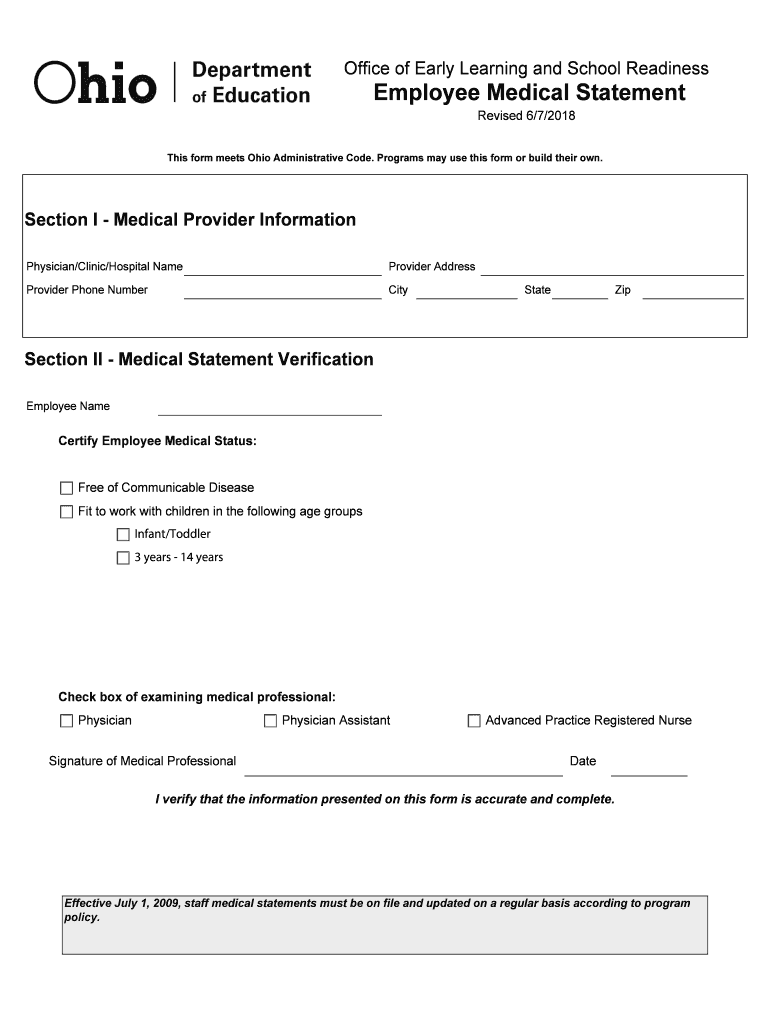
- Health Records: Documentation of health checks and immunizations for children and staff.
- Emergency Procedures: Written policies and procedures for emergencies, including fire drills and evacuations.
- Program Evaluations: Reports or records of regular evaluations and compliance monitoring activities.