






Definition & Meaning
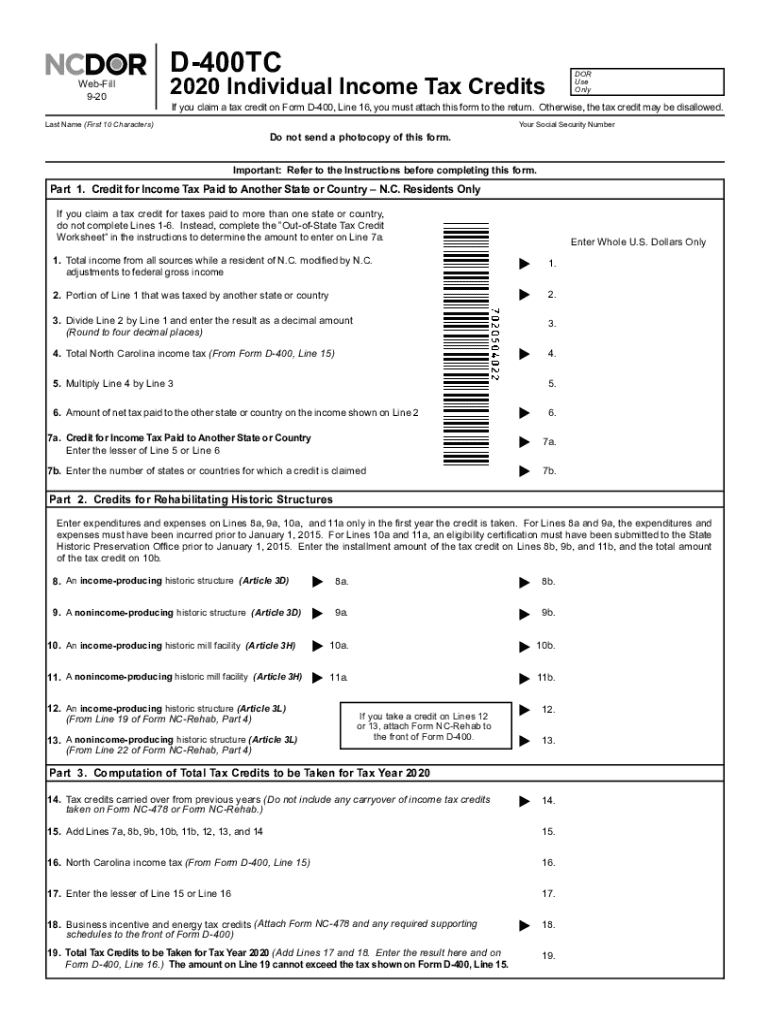
The IRS credits-deductionsCredits & Deductions for Individuals - IRS tax forms are designed to help individuals navigate federal tax credits and deductions. These forms outline potential reductions in taxable income through eligible expenses, ultimately lowering the amount of tax owed. Credits directly reduce the amount of tax due, while deductions lower the taxable income upon which the tax is calculated. These forms aid taxpayers in identifying applicable credits and deductions, ensuring accurate and beneficial filings.
How to Use the IRS Credits & Deductions Forms
To effectively use the IRS credits-deductionsCredits & Deductions forms, taxpayers should first understand their financial situation and identify applicable deductions and credits. Here’s a step-by-step guide:
-
Gather Information: Collect all necessary financial documents, including income statements, receipts for deductible expenses, and details of eligible activities.
-
Identify Applicable Credits/Deductions: Review the form to determine which credits and deductions align with your financial activities, such as educational expenses or energy-efficient home improvements.
-
Fill Out the Form: Carefully follow the instructions on the form, inputting necessary details in each section. Ensure all information is accurate to avoid errors.
-
Consult Additional Instructions: For complex credits or unusual situations, refer to supplementary IRS instructions or seek professional tax advice.
Use the information from these forms during tax filing to accurately calculate your credits and deductions.
Steps to Complete the IRS Credits & Deductions Forms
Completing these forms requires attention to detail. Follow these detailed steps:
-
Read Instructions Thoroughly: Each credit and deduction has specific eligibility criteria and calculation methods.
-
Fill Each Section Carefully: Enter your personal information first, then proceed to each credit/deduction section that applies to your situation.
-
Calculate Amounts: Use the provided worksheets or guidelines on the form to compute eligible amounts. Double-check calculations for accuracy.
-
Attach Necessary Documentation: Attach any required documents, such as proof of expenses, to support your claims.
-
Review Completed Form: Ensure no sections are missed, and all information is correctly entered.
-
Submit Form with Your Tax Return: Enclose the completed form with your annual tax return, ensuring timely submission by the due date.
Eligibility Criteria
Eligibility for credits and deductions varies:
- Income Limits: Some credits have income thresholds. Ensure that your income falls within the allowed range for each credit.
- Activity Requirements: Specific credits require evidence of particular activities, such as attending school or home energy efficiency improvements.
- Filing Status: The opportunity to claim certain credits and deductions can depend on your filing status (e.g., single, married filing jointly).
Understanding these criteria is crucial to maximize benefits and ensure accurate filing.


Required Documents
Several documents are necessary to complete these forms confidently:
- W-2s and 1099s: To verify income details.
- Receipts and Bills: For deductible expenses like educational courses or medical expenses.
- Form 1098-T: For education-related credits.
- Proof of Residency/Education: If applicable for certain credits.
Ensure all documents are organized and copies maintained for your records.
IRS Guidelines
The IRS provides guidelines to streamline the tax-filing process:
- Access Forms Online: Available on the IRS website for download.
- Seek Help If Needed: Although these forms are straightforward, IRS assistance or a tax professional can provide clarity on complex issues.
- Update Knowledge Annually: Tax laws change, so it is important to use the most recent forms and guidelines.
Legal Use of the IRS Credits & Deductions Forms
These forms are legally mandated for taxpayers claiming specific federal tax credits and deductions. Misrepresentation or errors can lead to penalties. It is important to:
- Ensure Accuracy: Verify all data before submitting the form.
- Understand Legal Obligations: Be aware of filing deadlines and legal implications of errors or omissions.
Filing Deadlines / Important Dates
Tax filing deadlines are typically April 15th. However, specific deadlines may vary:
- April 15th: Regular filing deadline.
- October 15th: Extended deadline for those who filed for an extension.
Mark these dates in your calendar to avoid late fees or penalties. Always check annually for any changes in IRS deadlines.
Penalties for Non-Compliance
Failure to file or inaccuracies can result in penalties:
- Late Filing Penalty: Charged if you miss the filing deadline without an extension.
- Accuracy-Related Penalty: Imposed for significant errors or omissions.
- Fraud Penalty: Severe fines and potential legal action for deliberate misrepresentation.
Timely and accurate filing of these forms is crucial to avoiding penalties.
Understanding these aspects will help taxpayers effectively utilize IRS credits and deductions, ensuring maximum tax benefit and compliance with federal tax law.