PDF COVID-19 and HIPAA: Disclosures to law enforcement ... - HHS.gov 2026

Get Form
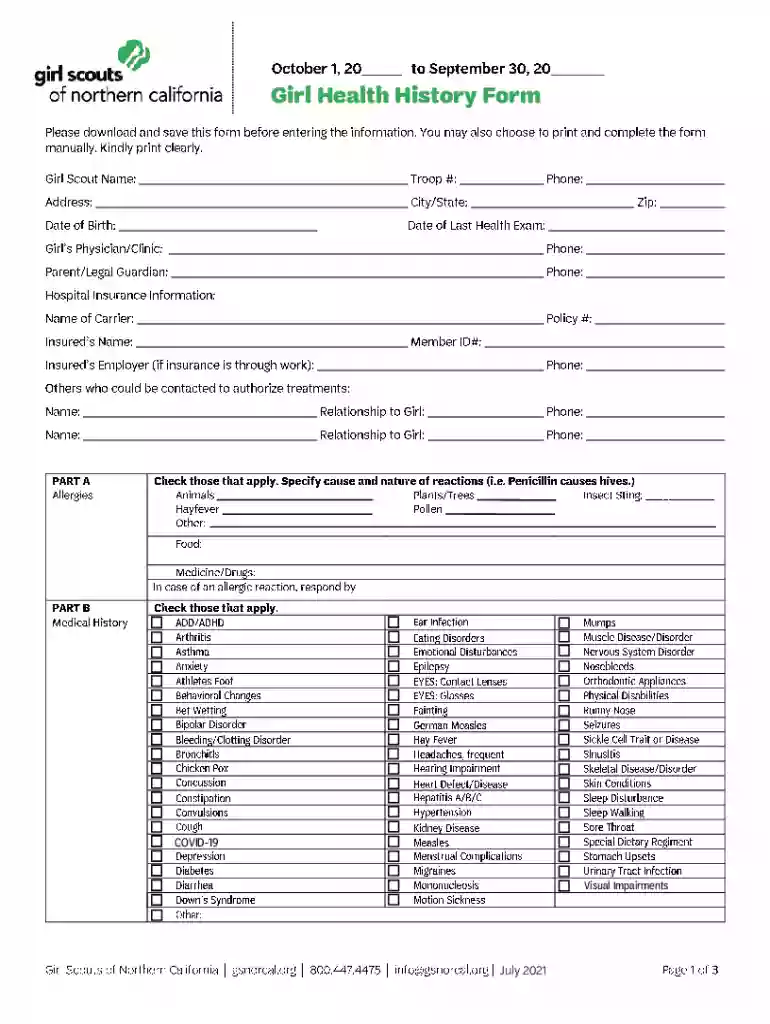
PDF COVID-19 and HIPAA: Disclosures to law enforcement ... - HHS.gov Preview on Page 1

Here's how it works

01. Edit your form online
Type text, add images, blackout confidential details, add comments, highlights and more.

02. Sign it in a few clicks
Draw your signature, type it, upload its image, or use your mobile device as a signature pad.

03. Share your form with others
Send it via email, link, or fax. You can also download it, export it or print it out.

How to use or fill out PDF COVID-19 and HIPAA: Disclosures to law enforcement ... - HHS.gov with DocHub

Form edit decoration
9.5
Ease of Setup
DocHub User Ratings on G2
9.0
Ease of Use
DocHub User Ratings on G2
  1. Click ‘Get Form’ to open it in the editor.
  2. Begin by filling out the personal information section, including the child's name, date of birth, and any relevant health history. Ensure accuracy as this information is crucial for participation.
  3. In the COVID-19 section, indicate 'YES' or 'NO' regarding any symptoms or exposure. This helps assess risk levels for activities.
  4. Review the Parent’s/Legal Guardian’s Authorization carefully. Confirm that you understand the risks associated with COVID-19 and agree to the terms outlined.
  5. Finally, sign and date the form electronically using our platform's signature feature to complete your submission effortlessly.

Start using our platform today to fill out your forms online for free!

See more PDF COVID-19 and HIPAA: Disclosures to law enforcement ... - HHS.gov versions

We've got more versions of the PDF COVID-19 and HIPAA: Disclosures to law enforcement ... - HHS.gov form. Select the right PDF COVID-19 and HIPAA: Disclosures to law enforcement ... - HHS.gov version from the list and start editing it straight away!
Versions Form popularity Fillable & printable
2021 4 Satisfied (26 Votes)
2021 4.8 Satisfied (97 Votes)
2021 4.3 Satisfied (297 Votes)
2020 4.9 Satisfied (21 Votes)
2019 4.3 Satisfied (138 Votes)
2018 4.5 Satisfied (34 Votes)
2015 4.1 Satisfied (49 Votes)
2012 4.8 Satisfied (42 Votes)
be ready to get more

Complete this form in 5 minutes or less

Get form

Got questions?

We have answers to the most popular questions from our customers. If you can't find an answer to your question, please contact us.
Contact us
HIPAA Minimum Necessary Rule exceptions Healthcare providers making requests for PHI to provide treatment to a patient. Patients making requests for copies of their own medical records. Requests for PHI when there is a valid authorization.
The HIPAA Privacy Rule contains an exception for law enforcement purposes1 that permits a covered entity to disclose PHI to law enforcement officials without patient authorization under the following circumstances: If there is a court order, court-ordered warrant, subpoena or administrative request.
The HIPAA Enforcement Rule contains provisions relating to compliance and investigations, the imposition of civil money penalties for violations of the HIPAA Administrative Simplification Rules, and procedures for hearings.
OCR is responsible for enforcing the HIPAA Privacy and Security Rules (45 C.F.R. Parts 160 and 164, Subparts A, C, and E). One of the ways that OCR carries out this responsibility is to investigate complaints filed with it.
Police may speak directly to your patient. Police can serve your agency with a subpoena for your care report after the incident. When you are not releasing PHI (e.g., you alert law enforcement about a weapon on the scene), HIPAA does not apply, and you may release non-PHI to the police. gunshot wound or abuse/neglect).

Security and compliance

At DocHub, your data security is our priority. We follow HIPAA, SOC2, GDPR, and other standards, so you can work on your documents with confidence.

Learn more
ccpa2
pci-dss
gdpr-compliance
hipaa
soc-compliance
be ready to get more

Complete this form in 5 minutes or less

Get form

People also ask

To identify or locate a suspect, fugitive, material witness or missing person. To answer a law enforcement officials request for information about a victim or suspected victim of a crime. To alert law enforcement of a persons death if the organization suspects that criminal activity caused the death.

Related links