01. Edit your designated record set example online
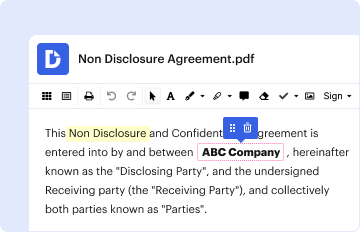
Type text, add images, blackout confidential details, add comments, highlights and more.
02. Sign it in a few clicks
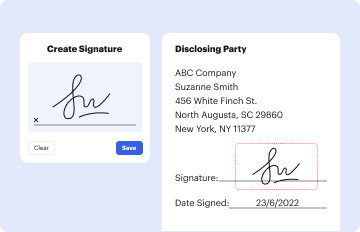
Draw your signature, type it, upload its image, or use your mobile device as a signature pad.
03. Share your form with others
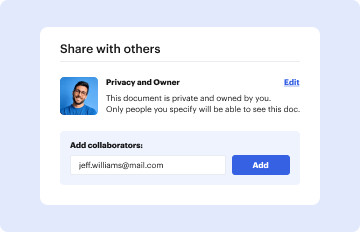
Send if a patient wants to request a restriction on the disclosure via email, link, or fax. You can also download it, export it or print it out.
How to use or fill out Patient Request to Access/Disclose a Designated Record Set with our platform
Ease of Setup
DocHub User Ratings on G2
Ease of Use
DocHub User Ratings on G2
Click ‘Get Form’ to open it in the editor.
Begin by entering your personal information in the designated fields, including your name, date of birth, prior names used, contact phone number, and address. This ensures that your request is accurately processed.
Indicate how you would like to receive your records by selecting one of the options: MyChart, Email, Disc, or Paper. Make sure to provide the recipient's details if you are not receiving them yourself.
List the facilities from which you are requesting information. Include both hospitals and clinics as necessary for comprehensive access.
Specify the range of dates for the records you wish to access. This helps narrow down the search for relevant documents.
Select the types of information you want disclosed by checking the appropriate boxes such as History & Physical, Discharge Summary, etc. If there are additional specifics needed, use the 'Other' field.
Finally, sign and date the form at the bottom. If a representative is submitting on your behalf, they must also complete their section.
Start using our platform today for free to streamline your document requests effortlessly!
Fill out Patient Request to Access/Disclose a Designated Record Set ... online It's free
See more Patient Request to Access/Disclose a Designated Record Set ... versions
We've got more versions of the Patient Request to Access/Disclose a Designated Record Set ... form. Select the right Patient Request to Access/Disclose a Designated Record Set ... version from the list and start editing it straight away!
if a patient wants to request a restriction on the disclosure of their phi
Swedish medical records request formProvidence medical records request formProvidence medical records phone numberSwedish medical records phone numberProvidence St peter hospital records requestProvidence Hospital medical records fax numberProvidence Hospital Southfield medical recordsProvidence St jude Medical Center medical records fax number
Security and compliance
At DocHub, your data security is our priority. We follow HIPAA, SOC2, GDPR, and other standards, so you can work on your documents with confidence.
To establish a policy and procedure for granting access to a patient to review health information maintained in the designated record set. Designated Record
Cookie consent notice
This site uses cookies to enhance site navigation and personalize your experience.
By using this site you agree to our use of cookies as described in our Privacy Notice.
You can modify your selections by visiting our Cookie and Advertising Notice.